2026 Top Heat Sealing Machine Innovations for Efficient Packaging Solutions?
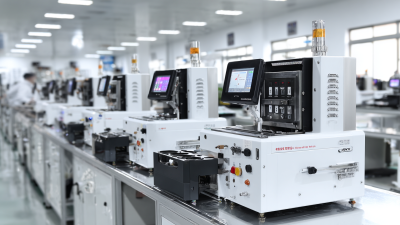
In the rapidly evolving landscape of packaging solutions, the 2026 Top Heat Sealing Machine Innovations are set to redefine efficiency. With the ongoing demand for sustainability and speed, these machines play a crucial role in modern manufacturing. The upcoming Guangzhou Fair will showcase these innovations, highlighting their importance in various industries.
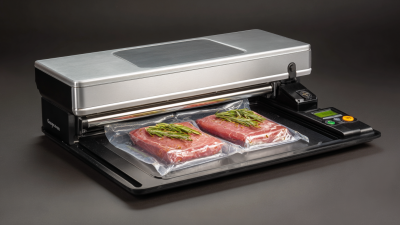
Heat sealing machines are essential for creating durable seals that enhance product shelf life. They cater to diverse sectors such as food packaging, electronics, and pharmaceuticals. These machines not only streamline operations but also reduce material waste. However, their integration into production lines must be approached with care. Understanding the specific needs of each application is vital.
While advancements are promising, challenges remain. Companies must invest in training and proper maintenance. New features often require a learning curve for operators, and this can hinder efficiency. As industries explore these innovations, reflection on their implementation will be key to maximizing benefits. Embracing change can lead to remarkable improvements in packaging efficacy.
Overview of Heat Sealing Technologies in 2026
In 2026, the heat sealing industry is poised for significant advancements. The trend towards sustainable packaging is not just growing; it’s becoming a necessity. Reports indicate that the global heat sealing machinery market is expected to reach $1.5 billion by 2027, with a CAGR of 6.5%. This growth is primarily driven by end-user industries like food and pharmaceuticals, demanding more efficient and eco-friendly solutions.
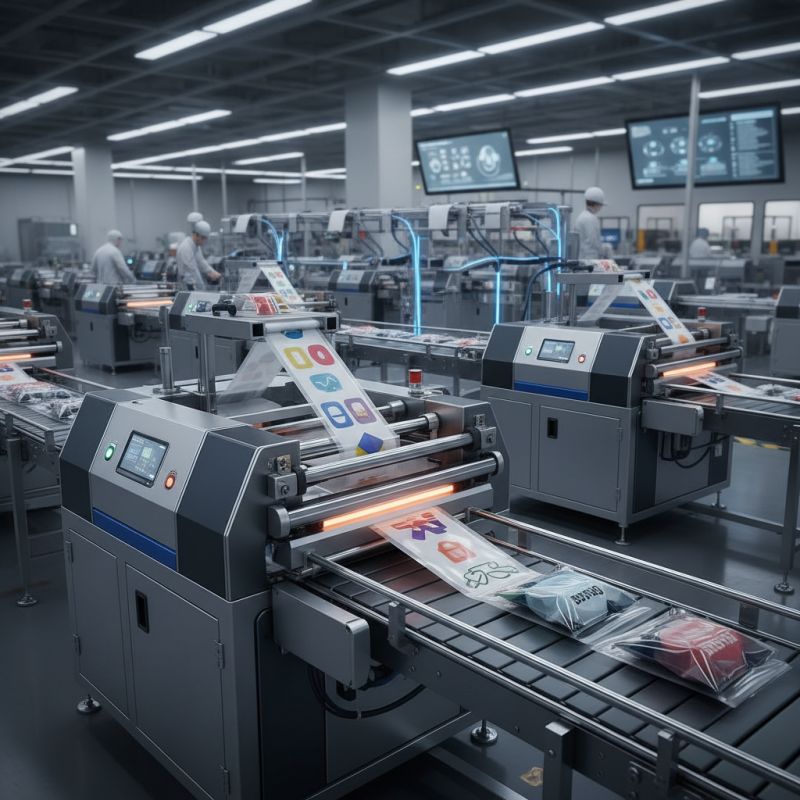
Innovations are surfacing in several areas. Automated systems are becoming standard. They reduce labor costs while improving sealing accuracy. Advanced technologies utilize less energy, a critical step towards sustainability. However, some companies struggle with integration. Not all existing systems can adapt to new technologies seamlessly. This creates a gap in implementation, leading to inconsistencies in production.
Market analysis shows that while many firms invest in these innovations, the transition can be bumpy. There is sometimes a lack of skilled workers to operate advanced machines. Training staff to handle new equipment is essential. Some manufacturers also overlook the importance of continuous maintenance, leading to equipment downtime. Addressing these challenges will be vital for companies looking to thrive in this evolving landscape.
Efficiency Enhancements in Packaging Processes
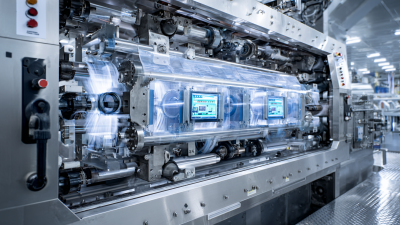
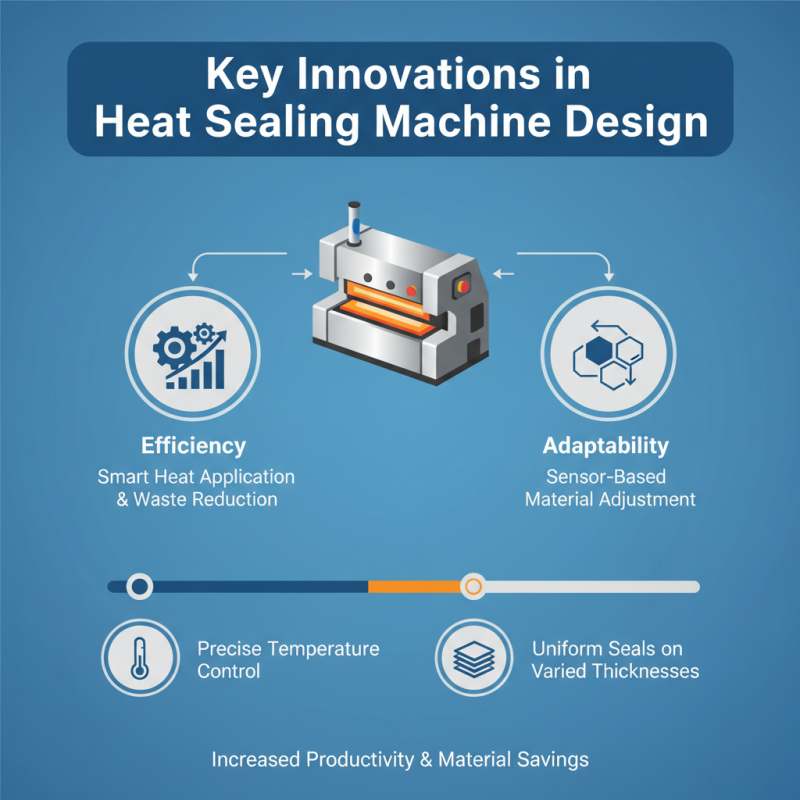
As the packaging industry evolves, heat sealing machines are becoming vital for efficiency. Innovations are focusing on speed and reliability. Many machines now offer faster sealing cycles. This leads to increased productivity on production lines. For businesses, this translates directly to better output and lower costs.
Automation plays a significant role in efficiency. Modern machines incorporate smart technology. Sensors monitor sealing quality in real-time. However, reliance on technology may lead to challenges. Technical issues can halt production unexpectedly. Training staff to troubleshoot these machines is necessary but sometimes overlooked.
Moreover, eco-friendly packaging materials are gaining momentum. They require specific sealing methods that can be challenging. Ensuring a proper seal without compromising the material's integrity is crucial. Companies must invest in research to adapt their machinery. This adaptation could lead to improved processes, but it often involves trial and error. Continuous improvement is essential for staying competitive.
2026 Top Heat Sealing Machine Innovations for Efficient Packaging Solutions
| Innovation |
Feature |
Efficiency Gain (%) |
Sustainability Impact |
Market Adoption Rate (%) |
| Smart Temperature Control |
Real-time monitoring and adjustments |
15 |
Reduces energy consumption |
70 |
| Automated Alignment Technology |
Self-adjusting mechanisms for high accuracy |
20 |
Minimizes material waste |
60 |
| Advanced Film Technology |
Enhanced heat sealability and strength |
25 |
Uses bio-based materials |
55 |
| Energy-Efficient Heating Elements |
Low power consumption design |
30 |
Lowers carbon footprint |
65 |
| Integration with IoT |
Remote monitoring and controls |
18 |
Supports predictive maintenance |
50 |
Sustainability Trends in Heat Sealing Solutions
Sustainability trends are shaping the future of heat sealing solutions. Companies are prioritizing eco-friendly materials. Biodegradable and recyclable films are gaining popularity. These innovations reduce plastic waste. More users are demanding greater environmental responsibility.
One important aspect is energy efficiency. Heat sealing machines are becoming more energy-conscious. New technologies minimize power consumption during operation. However, some machines still fall short of optimal energy savings. It's crucial for manufacturers to evaluate their designs continually.
Moreover, the integration of smart features is rising. Automated systems can enhance packaging precision. However, there can be issues with user adaptability. Not all operators are accustomed to advanced technology. Training remains a challenge. Addressing this gap is essential for seamless implementation.
Future Prospects for Heat Sealing Technology in Packaging
The future of heat sealing technology in packaging looks promising yet challenging. According to a recent industry report, the global packaging market is expected to reach $500 billion by 2026. Innovations in heat sealing machines play a vital role in this expansion. Efficiency and sustainability are driving these advancements. Companies are increasingly seeking ways to reduce waste while improving sealing speeds.
New methods are emerging. For instance, ultrasonic sealing technology offers faster and stronger seals compared to traditional methods. However, this technology may not be suitable for all materials. There are ongoing debates about operational costs versus benefits. Additionally, the need for energy-efficient machines is becoming essential. Fossil fuel reliance must decrease as companies aim for greener solutions.
As packaging demands evolve, so does the challenge of integrating new technologies. While 80% of companies prioritize automation, the transition can be complex. Training staff and adapting existing processes are significant hurdles. Industry stakeholders must reflect on their strategies. Balancing innovation with practicality is crucial for future success.