Why Choose a Liquid Filling Machine for Your Business Needs?
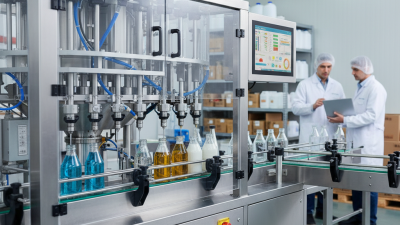
In today's fast-paced world, a Liquid Filling Machine can significantly enhance production efficiency. John Smith, an industry expert with over 15 years of experience, emphasizes, "Investing in a Liquid Filling Machine is a game changer for businesses." This reflects the machine's ability to streamline operations while ensuring high accuracy.
Choosing the right Liquid Filling Machine involves careful consideration. Businesses often underestimate the importance of speed and precision. Quality matters in liquid packaging, and a reliable machine is essential. Damage or spills lead to losses, which can be avoided with proper equipment.
However, selecting the perfect model can be challenging. Each business has unique requirements, such as the type of liquid and packaging size. The wrong choice may result in inefficiencies. Hiring an expert or seeking professional advice can help navigate these complexities. A Liquid Filling Machine is an investment worth pondering for companies looking to thrive.
Advantages of Liquid Filling Machines in Modern Manufacturing Processes
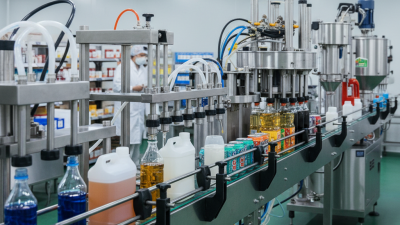
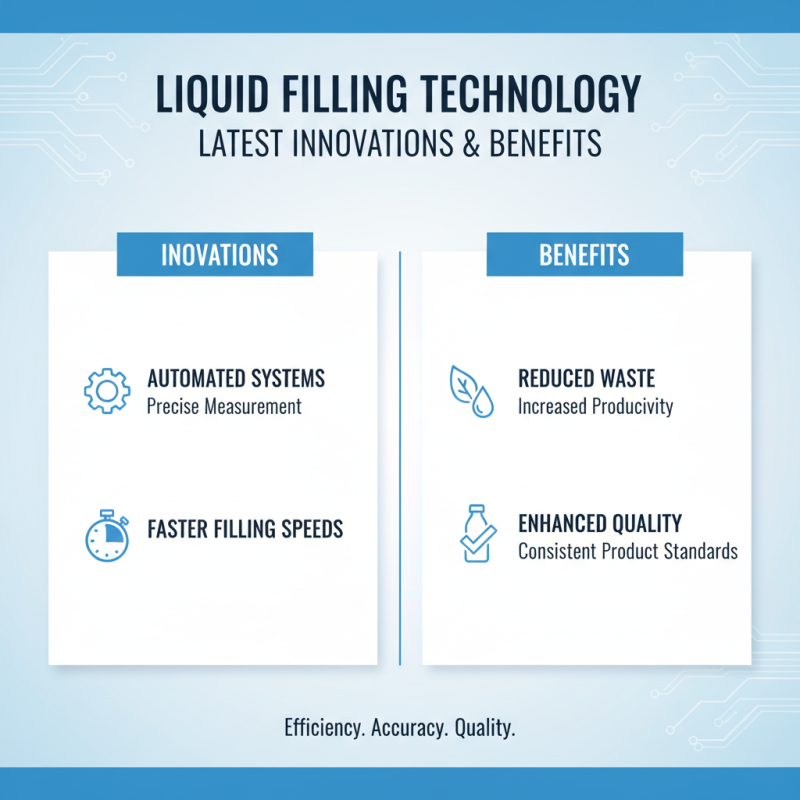
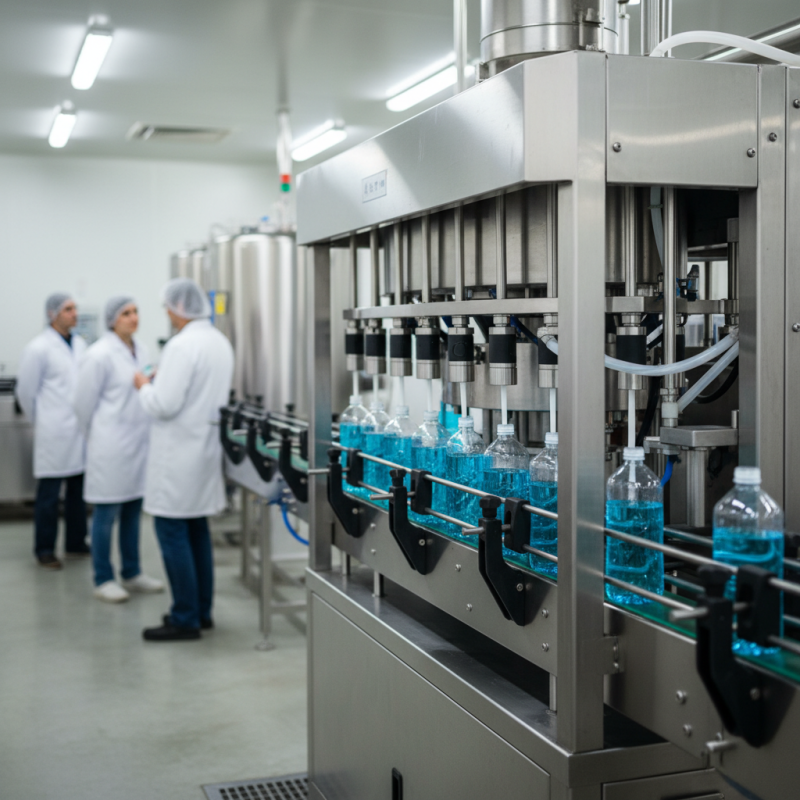
Liquid filling machines are essential in modern manufacturing. They streamline the process of packaging liquids. This efficiency leads to faster production rates, reducing overall costs. Companies are seeing a strong return on investment due to lower labor costs and less waste.
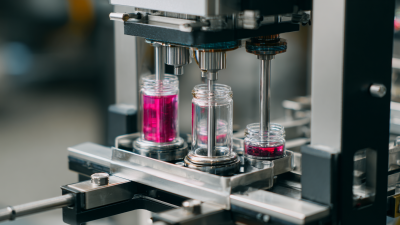
These machines ensure precise filling, which minimizes spills and provides consistent product quality.
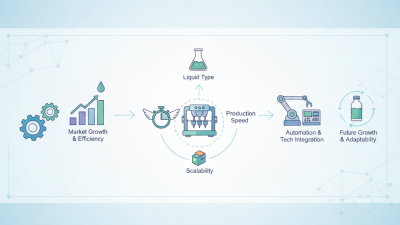
Another advantage is their versatility. Liquid filling machines can handle various liquid types, from water to thicker substances. They can be adjusted for different container shapes and sizes. This adaptability is crucial in a dynamic market where consumer demands change rapidly. However, businesses must ensure proper maintenance to uphold reliability. Neglecting upkeep can lead to malfunctions and production delays.
While the initial setup costs might be high, the long-term benefits often outweigh them. Investing in a liquid filling machine can increase production capacity significantly. Nevertheless, businesses should evaluate their specific needs before making a purchase. Understanding your operational goals is essential for maximizing the advantages of liquid filling technology.
Key Factors to Consider When Selecting a Liquid Filling Machine
When selecting a liquid filling machine, various factors come into play. Accurate filling is crucial for many businesses. In the beverage industry, for instance, overfilling can lead to significant financial losses. According to industry studies, equipment with a ±1% accuracy can save a company approximately $2,000 monthly. Evaluating the precision of filling machines is essential.
Another critical aspect is the machine's speed. With demand increasing, companies often need machines that can keep up. A recent report from Market Research Future indicates that the global liquid filling machine market is expected to grow by 8.5% annually. However, a machine that is too fast can compromise quality. Balancing speed and accuracy remains a challenge.
Compatibility with product types should not be overlooked. Not all liquids are the same; viscosities vary. For example, thicker liquids may require different nozzles or pumping systems. Businesses must reflect on whether their process can easily accommodate these changes. Investing in adaptive technology could prevent future issues. Understanding your products deeply will influence your choice significantly.
Industry Data: Efficiency and Cost-Effectiveness of Liquid Filling Solutions
Liquid filling machines have become essential for businesses seeking efficiency and cost savings. In recent industry studies, companies utilizing these machines report a 30% increase in productivity. This significant gain stems from automation, reducing manual labor and human error. By implementing liquid filling solutions, businesses can streamline their operations and boost overall effectiveness.
When considering a liquid filling machine, keep a few tips in mind. Assess your production volume carefully. A machine suited for smaller runs may not perform well during peak demands. Also, think about the types of liquids you fill. Different materials may require specialized machines. This can affect both initial costs and long-term maintenance.
Remember, not all machines are created equal. Research is essential to find a reliable option. Look for user reviews or industry reports. An investment in quality equipment can lead to fewer headaches down the line. Consider the potential for unexpected issues or inefficiencies. Taking a closer look at this can help prevent operational bottlenecks, ensuring that your business remains competitive in a demanding market.
Applications of Liquid Filling Machines Across Various Sectors
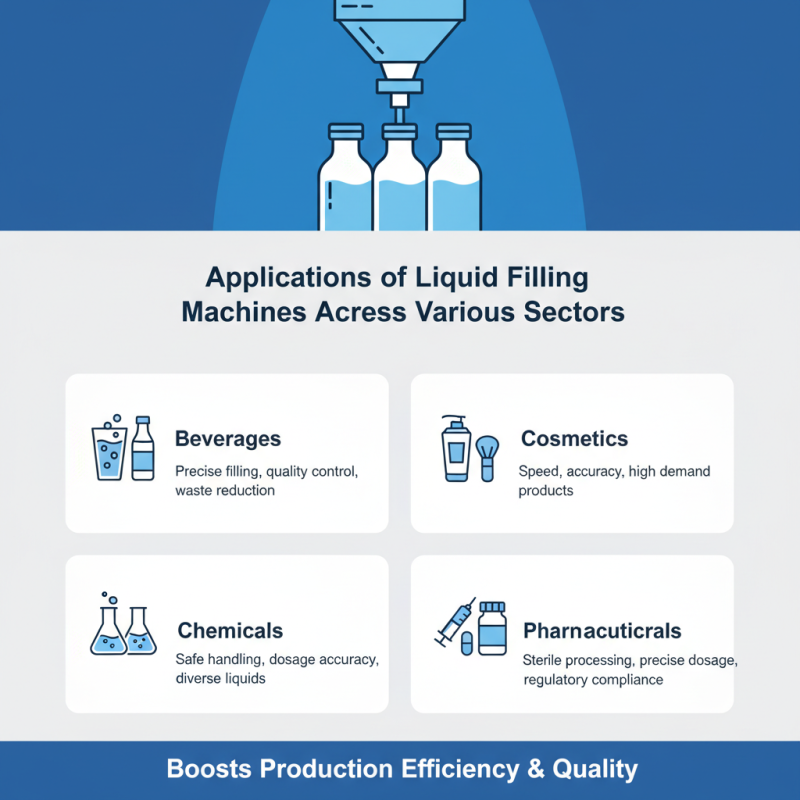
Liquid filling machines are essential across many industries. They cater to various products, including beverages, cosmetics, chemicals, and pharmaceuticals. For beverage companies, these machines ensure precise filling of liquids, maintaining quality and reducing waste. In the cosmetic sector, liquid fillers help meet the demand for speed and accuracy in packaging. Many manufacturers are now opting for these machines to enhance their production efficiency.
Tips for selecting the right liquid filling machine include assessing your production volume. A large-scale operation might need a high-speed filling line. Conversely, smaller businesses could benefit from semi-automated machines. Always consider the viscosity of your liquid. Some machines work better with thicker fluids, while others are designed for thin liquids.
It's important to ensure reliability when investing in such technology. Regular maintenance is crucial for the longevity of the equipment. Document any recurring issues you face with your machine. Reflecting on these problems helps you make informed decisions about upgrades or replacements. Choosing the right liquid filling machine requires careful consideration of your business’s unique needs and future goals.