How to Choose the Best Food Vacuum Sealer Machine?
Choosing the right Food Vacuum Sealer Machine can transform your food storage methods. Recent market research from Grand View Research indicates that the global vacuum sealer market is projected to reach $3.7 billion by 2025. This growth is due to increasing consumer awareness of food preservation. The right machine can help extend food shelf life, reduce waste, and save money.
Understanding the features is crucial. Not all machines are equal. Some may provide powerful suction, while others offer home-friendly designs. A vacuum sealer with a strong motor ensures efficient sealing. Still, one must consider ease of use and maintenance. Users often overlook this, which can lead to frustration.
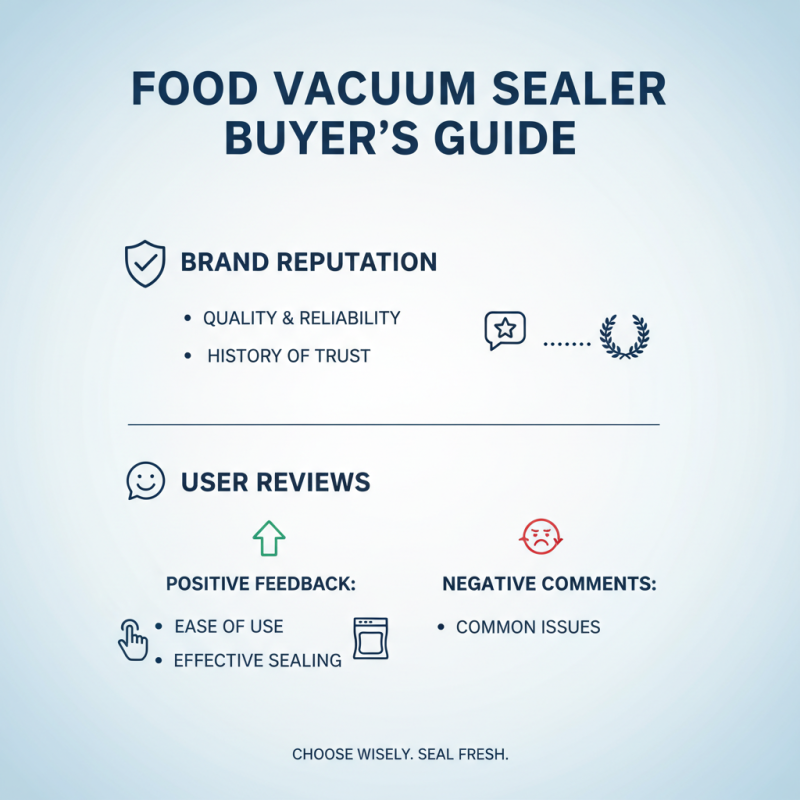
Investing in a Food Vacuum Sealer Machine requires balancing quality and budget. It’s a commitment to better food management. However, not all purchases yield satisfaction. Researching ratings and reading user reviews can help. Each kitchen presents unique demands. Each choice will reflect personal needs and values.
Understanding Food Vacuum Sealers: Types and Mechanisms
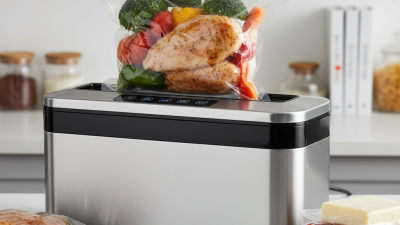
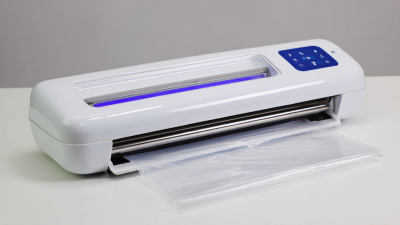
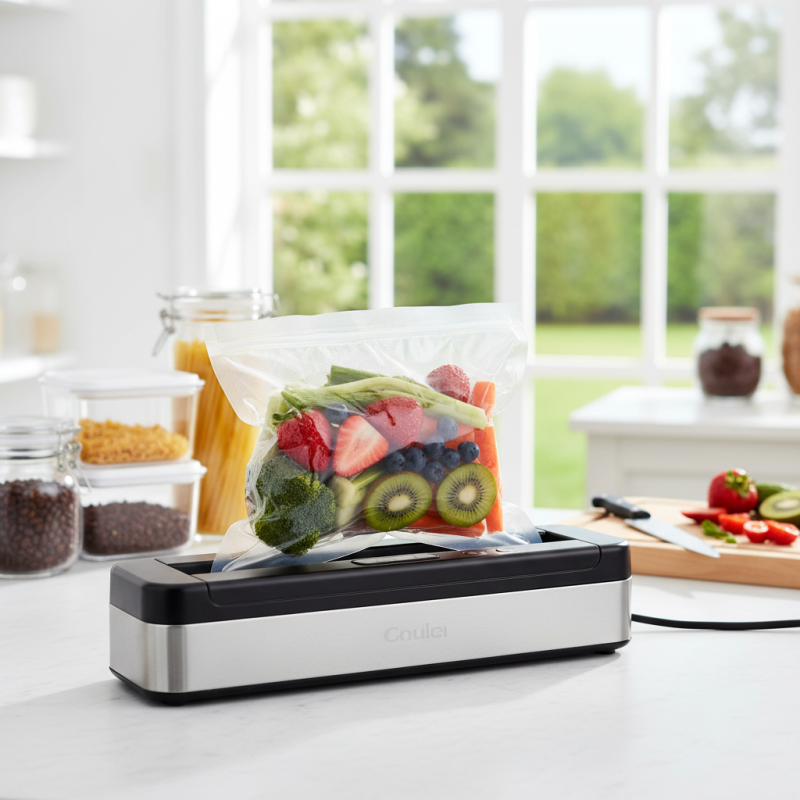
When it comes to food vacuum sealers, understanding the types and mechanisms can significantly aid your decision. There are two main types: external vacuum sealers and chamber vacuum sealers. External sealers use a vacuum pump to remove air from bags. These machines tend to be user-friendly and are great for everyday kitchen tasks. However, they may struggle with liquid-rich foods. Spills can occur.
Chamber vacuum sealers, on the other hand, are more powerful. They create a vacuum inside a chamber, allowing for more effective sealing. These machines can handle liquids and bulky items better. Yet, they come with a higher price tag and may not be necessary for occasional use. Think carefully about your needs. If you only seal food occasionally, might you over-invest?
Different mechanisms play a role in how these machines function. Some sealers use heat to create an airtight seal. Others rely on special bags or more intricate technology. It’s worth noting that certain brands may not be compatible with all bags. This can be frustrating. Researching compatibility is essential to fully enjoy your vacuum sealer experience. A little inconvenience here can lead to major storage benefits later.
Comparison of Food Vacuum Sealers: Types and Features
Key Features to Consider When Selecting a Vacuum Sealer
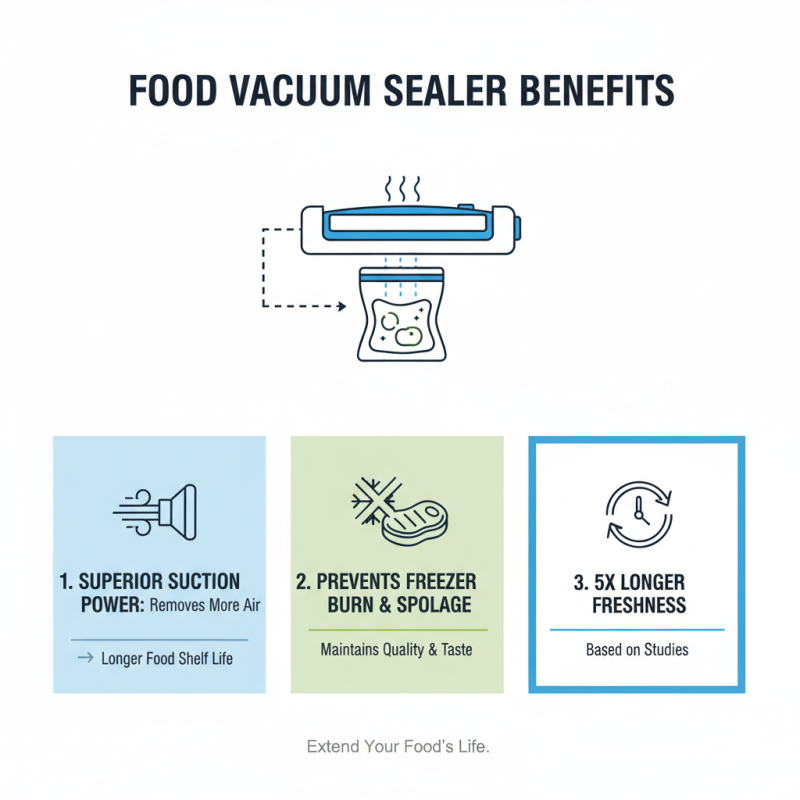
When choosing a food vacuum sealer, consider several key features that can significantly impact your food preservation. One crucial aspect is suction power. Machines with higher suction strength can remove more air, extending the shelf life of your food. Studies suggest that vacuum sealing can prevent freezer burn and spoilage, extending freshness by up to five times.
Another important factor is the sealing mechanism. Look for models that offer both manual and automatic sealing options. This flexibility allows you to adapt based on the type of food you are sealing. For instance, delicate items like bread or berries require a gentler approach. Regularly, users find themselves frustrated with machines that don’t seal properly or those that overheat quickly.
Bag compatibility is another consideration. Many sealers work with specific bag types, limiting your choices. Reports indicate that using compatible bags not only ensures a better seal but also prevents food from becoming contaminated. Keep in mind, choosing a vacuum sealer can be challenging and even disappointing at times. A little research and understanding of these features can guide you toward a satisfying purchase.
Comparing Price Ranges: Finding Value in Vacuum Sealers
When choosing a food vacuum sealer, price is a critical factor. The market offers machines ranging from $30 to $500. An entry-level model can perform basic sealing functions. However, these lower-priced units may lack durability. According to industry reports, around 20% of budget models break within the first year. This raises questions about long-term value.
Mid-range machines, usually priced between $100 and $300, often strike a better balance. They typically feature stronger suction and more reliability. Research shows that users of vacuum sealers in this range can save about 50% on food waste in the long run. Many users report that investing a bit more was worth the benefits. But, not every model excels. Some might still fail to meet expectations after a year.
High-end units promise advanced features, like automatic moisture detection. Yet, the cost can be prohibitive for many families. Studies indicate that while these units provide exceptional value, only 25% of consumers find them necessary. It’s wise to carefully assess what you need. A thorough evaluation can help ensure your purchase aligns with your budget and lifestyle.
How to Choose the Best Food Vacuum Sealer Machine? - Comparing Price Ranges: Finding Value in Vacuum Sealers
| Model |
Price Range ($) |
Sealing Method |
Bag Compatibility |
Warranty (Years) |
Customer Rating (1-5) |
| Model A |
50 - 90 |
External |
Standard Bags |
2 |
4.5 |
| Model B |
100 - 150 |
Chamber |
Specialized Bags |
3 |
4.0 |
| Model C |
30 - 70 |
External |
Standard and Zip Bags |
1 |
4.2 |
| Model D |
200 - 300 |
Chamber |
All Types |
5 |
4.8 |
| Model E |
80 - 130 |
External |
Standard Bags |
2 |
4.3 |
Maintenance Tips for Longevity and Optimal Performance
Proper maintenance is crucial for your food vacuum sealer’s longevity and efficiency. Regularly clean the vacuum chamber and sealing strips. Use a damp cloth to wipe down surfaces. This simple step prevents residue build-up, which can affect performance. Additionally, inspect the sealing strips for wear. If they are damaged, replace them promptly. A worn strip can lead to air leaks and spoil food faster.
Store your vacuum sealer in a dry area. Humidity can damage electrical components and affect its longevity. Keep it covered to protect it from dust. Avoid overloading the machine. Each model has its limits, and exceeding them may cause overheating or malfunctions. If you notice irregular noises during operation, don’t ignore them. These could be signs that something needs attention.
Lastly, refer to the user manual for specific maintenance guidelines. Each model has unique requirements. Keep an eye on the power cord and connections. Damaged cords can pose safety hazards. These straightforward steps can enhance the performance of your vacuum sealer. Regular maintenance doesn’t take much time but makes a significant difference.