How to Choose the Best Packing Machine in 2026
Choosing a Packing Machine in 2026 means matching equipment to actual production needs, not chasing the fastest model. Start with the product, package format, daily output, and available floor space. A powder, liquid, or fragile item may require different feeding and sealing methods. Small details matter. Film width, changeover time, cleaning access, and operator skill can shape performance as much as rated speed. Ask suppliers for trials using your product and packaging materials. Watch for jams, seal consistency, waste, and how quickly settings can be adjusted. Numbers on a brochure rarely tell the whole story.
A sound comparison also looks beyond the purchase price. Include installation, training, spare parts, maintenance intervals, energy use, and expected downtime in the total cost. Check whether the machine can integrate with existing conveyors, printers, scales, or inspection systems. Confirm service response times and parts availability in your region. These are practical questions. Ask for documented specifications, clear warranty terms, and references from businesses with similar products or production volumes. No supplier can promise zero downtime, and no machine fits every line. That deserves a second look. Consider future demand, but avoid paying for capacity you cannot use. An informed choice balances reliability, flexibility, operator safety, and measurable output. This guide explains how to compare machine types, test supplier claims, and build a shortlist for 2026. Your product should lead.
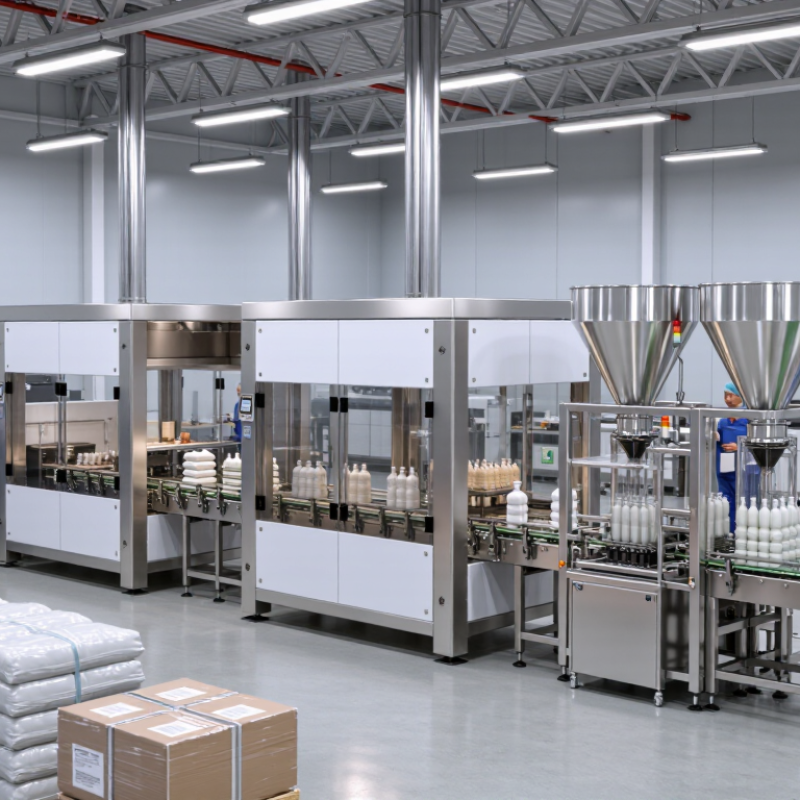
Define Product and Packaging Requirements
Before comparing machines, define the product as it behaves on a real production line. Record its dimensions, weight, shape, and how consistently those measurements hold. A rigid carton behaves differently from a soft pouch, while powders may create dust that affects filling and sealing. Note whether the product is fragile, sticky, or sensitive to heat and moisture. Small details matter. A slightly irregular item can jam a feeder or sit unevenly in a package. Test representative samples, not just the cleanest product from a batch.
Then specify the package itself: material, dimensions, closure, and required barrier properties. A film that protects against moisture may need different sealing conditions from paper-based packaging. Consider how quickly operators must change package sizes, and how much floor space is available around the machine. Set a realistic target for packs per minute, including time for loading, inspection, and routine cleaning. Faster is not always better. A target based on ideal conditions can leave little room for stoppages. If requirements are still uncertain, document the assumptions and ask suppliers to run trials using your actual product and packaging. Record seal quality, damage, waste, and changeover time. Some early estimates will be wrong; that is useful information, if the trial exposes them before installation.
Compare Packing Machine Types and Automation Levels
Choosing the best packing machine starts with the package shape and product behavior. A vertical form-fill-seal machine makes bags from roll film, which suits powders, grains, and many free-flowing products. A horizontal flow wrapper seals individual items in a tight film pack, often useful for bars or baked goods. Pre-made pouch machines handle stand-up bags and zippers, but require compatible pouch dimensions. The details matter: a sticky product may slow filling, while a fragile item can break under rough handling.
Automation ranges from manual loading to fully integrated lines. A semi-automatic machine may suit a small team that loads containers by hand but needs consistent filling and sealing. Fully automatic systems can connect feeding, weighing, packing, and inspection. They typically need more floor space, skilled maintenance, and steady product supply. Faster is not always better. If changeovers take too long, a high-speed line may spend valuable shifts idle.
Compare real operating conditions, not just advertised cycle rates. Ask suppliers to test your product using the intended film or pouch, then inspect seal strength, fill accuracy, and rejected packs. Watch a changeover: how many tools are needed, and how long does cleaning take? Record expected output and staffing needs. Estimates can be imperfect, especially when product flow changes with humidity or temperature, so leave room for a cautious trial.
How to Choose the Best Packing Machine in 2026 - Compare Packing Machine Types and Automation Levels
| Machine Type |
Typical Package or Task |
Typical Output Range |
Automation Level |
Best Suited To |
Key Selection Consideration |
| Manual tabletop heat sealer |
Sealing pre-made plastic bags or pouches |
About 5–15 packs per minute |
Manual |
Small batches, product trials, and low-volume operations |
Low initial complexity; output depends heavily on the operator and pack size. |
| Semi-automatic L-bar shrink system |
Wrapping individual products or multipacks in shrink film |
About 5–15 packs per minute |
Semi-automatic |
Small to medium runs with frequent product changes |
Check product dimensions, film type, and whether a separate shrink tunnel is needed. |
| Vertical form-fill-seal (VFFS) |
Forming bags from a film roll and filling them with products such as snacks, grains, or powders |
About 20–120 bags per minute |
Automatic |
Products that can be fed vertically and packed in pillow bags or similar formats |
Filling accuracy and achievable speed depend on the product, dosing system, bag style, and film. |
| Horizontal flow wrapper (HFFS) |
Wrapping individual solid products in a sealed film package |
About 30–300 packs per minute |
Automatic; high-speed configurations available |
Consistent, discrete products such as bars, bakery items, and hardware |
Product shape, spacing, infeed method, and required seal style affect line speed and changeover. |
| Premade pouch filling and sealing machine |
Filling and sealing preformed stand-up, flat, or zipper pouches |
About 10–60 pouches per minute |
Semi-automatic to automatic |
Products that need a pouch format or features such as a zipper or spout |
Confirm pouch dimensions, opening method, product dosing needs, and whether pouch loading is manual. |
| Automatic cartoner |
Loading products into cartons and closing or sealing the cartons |
About 20–200 cartons per minute |
Automatic; high-speed configurations available |
Products sold in cartons, including food, personal-care, and pharmaceutical items |
Carton style, product orientation, leaflet handling, and changeover requirements are important. |
| Case packer |
Grouping finished packs into shipping cases |
About 5–30 cases per minute |
Semi-automatic to automatic |
Secondary packaging at the end of a production line |
Match the case format, pack pattern, and required integration with case sealing and palletizing. |
Note: Output figures are indicative industry ranges, not guaranteed machine specifications. Actual throughput varies with product characteristics, package dimensions, feeding and dosing equipment, changeovers, operator input, and line configuration. Before selecting a machine, verify the required rate using representative products and packaging materials.
Assess Speed, Accuracy, Compatibility, and Compliance
When choosing a packing machine in 2026, assess output at your real operating speed, not only the advertised maximum. The International Federation of Robotics’ World Robotics 2024 report recorded 541,302 industrial robot installations worldwide in 2023. This signals continued automation investment, but it is not a packing-line performance benchmark. Ask suppliers to run your product, packaging material, and target format during a trial. Count good packs, rejects, and stoppages per hour. Fast is not always better.
Accuracy depends on stable filling, sealing, coding, and inspection. Test these functions with your smallest and largest pack sizes, then check results after a changeover. Compatibility matters too: confirm the machine handles your container dimensions, film or carton, upstream feed, and downstream conveyors. A mismatch can turn a fast machine into a bottleneck. Compliance needs equal attention. Check applicable safety, hygiene, labeling, and traceability requirements for your product and market, and request clear validation records. Rules vary, so verify details with qualified specialists. I would not rely on a brochure alone.
Tip: Bring real samples to the factory test. Record speed, reject rate, changeover time, and cleaning steps. Keep a little room for error; production conditions rarely behave perfectly.
Calculate Total Cost and Evaluate Supplier Support
When choosing a packing machine in 2026, compare more than purchase prices. Calculate total cost across its expected service life: installation, tooling, operator training, energy, changeover time, maintenance, spare parts, and downtime. Put the assumptions in writing. A low quote can hide costly format changes or long waits for components.
IFR’s World Robotics 2024 report counted 4,281,585 industrial robots operating worldwide in 2023, a 10% increase from 2022. That figure covers industries broadly, not packing machines alone, but it signals why integration and service capability matter. Ask suppliers for response-time commitments, local technician coverage, parts availability, and training plans. Request a sample maintenance schedule, too. Specifics matter.
Then test support against your actual line. Ask who handles a fault during a night shift, how remote diagnostics work, and whether replacement parts are stocked nearby. Compare service fees and warranty exclusions, not just headline coverage. That spreadsheet can still mislead. It may assume perfect uptime, which rarely matches a busy plant. Have the supplier calculate costs using your shift pattern, product mix, and changeover frequency, then check those estimates against your maintenance team’s experience.
Test Shortlisted Machines Against Future Production Needs
How to Choose the Best Packing Machine in 2026
Test shortlisted machines against the production you expect to run, not just today’s average shift. Bring representative products, packaging materials, and the awkward sizes that often slow a line. Run them at normal speed, then test a realistic peak rate. Record finished packs per minute, reject counts, and how often an operator must intervene. Numbers can mislead.
Build future scenarios into the trial. If seasonal demand may rise, ask the supplier to demonstrate longer runs and faster changeovers between pack sizes. Time each adjustment with a stopwatch, including film loading and cleaning. Check whether seals remain consistent after the machine warms up. A short demonstration may hide faults that appear after hours, so request a sustained test where possible.
Also test the limits of your floor and team. Measure the machine’s footprint, clearance for maintenance, and access to power or air connections. Have the people who will operate it change a roll, clear a simulated jam, and restart production. Their feedback can reveal awkward controls that a specification sheet misses. Be cautious about projected capacity: real output depends on product flow, staffing, and upstream equipment. We may not predict every future change, but a practical trial makes assumptions visible before purchase.