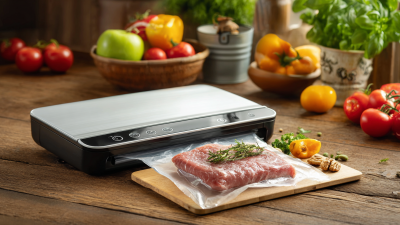
2026 How to Choose the Best Vacuum Sealing Machines?
In recent years, Vacuum Sealing Machines have gained immense popularity among home cooks and food enthusiasts. Their ability to preserve food freshness and reduce waste makes them an essential kitchen appliance. However, with many models available, choosing the right one can be challenging. Each machine has unique features and capabilities, adding to the complexity of making a decision.
When selecting a vacuum sealing machine, it’s important to consider your needs. Size, sealing strength, and price play crucial roles. Many users start with basic models and later realize the need for advanced features. Reflecting on personal experiences can highlight the importance of research before buying. Many consumers end up dissatisfied because their choice didn't fit their usage patterns.
Ultimately, the best vacuum sealing machine for you depends on various factors. Exploring different options, reading reviews, and understanding common pitfalls can guide you towards an informed decision. Investing time in this process can lead to better preservation of your favorite foods and a more efficient kitchen.
Understanding Vacuum Sealing Machine Types and Technologies
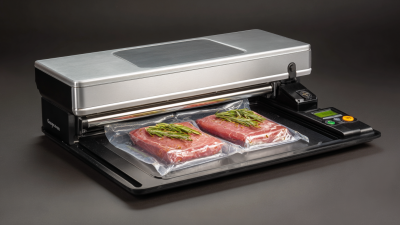
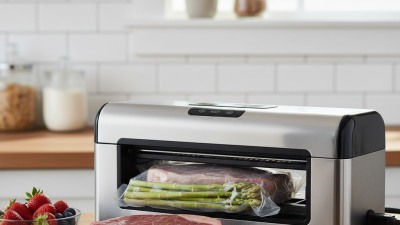
When selecting a vacuum sealing machine, understanding the different types and technologies is vital. There are two main types: external and chamber vacuum sealers. External sealers are typically more affordable and user-friendly, making them perfect for home use. Chamber sealers, however, provide a stronger seal and are ideal for food preservation on a larger scale. These machines can handle liquids much better than their external counterparts.
Consider your needs carefully. If you often seal liquids or large quantities, a chamber vacuum sealer may be worth the investment. However, if you only seal small food items occasionally, an external sealer should suffice. It's crucial to weigh your options against your kitchen habits. Understand that while we strive for perfection in keeping food fresh, some experiments may lead to less effective results.
Tips: Always check the seal strength and material compatibility before purchasing. A weak seal can lead to spoiled food. Regular maintenance of the machine can also improve performance. Cleaning the sealing strip regularly allows for effective sealing over time. Don't hesitate to test different sealing times for better outcomes.
2026 How to Choose the Best Vacuum Sealing Machines? - Understanding Vacuum Sealing Machine Types and Technologies
| Type |
Best For |
Key Features |
Price Range |
Typical Use Cases |
| External Vacuum Sealers |
Home use, beginners |
Lightweight, portable, easy to use |
$30 - $100 |
Food storage, sous vide, marinating |
| Chamber Vacuum Sealers |
Small businesses, serious cooks |
Efficient for liquids, robust design |
$300 - $1200 |
Vacuum packing meats, cheeses, storing liquids |
| Handheld Vacuum Sealers |
On-the-go users, compact storage |
Cordless, lightweight, easy to store |
$30 - $80 |
Quick sealing, snacks, leftovers |
| Commercial Vacuum Sealers |
Food industries, catering |
Heavy-duty, high-volume sealing |
$800 - $2500 |
Bulk packaging, extended food preservation |
| Sous Vide Vacuum Sealers |
Gourmet cooking enthusiasts |
Specialized for sous vide cooking, precise seal |
$100 - $500 |
Cooking sous vide, high-quality meal prep |
Key Features to Consider When Choosing a Vacuum Sealing Machine
When selecting a vacuum sealing machine, several key features are essential to consider for optimal performance. First, the power of the machine matters. A higher wattage often means better suction and quicker sealing. Look for models that are efficient yet not overly complicated. Simplicity can reduce frustration during use and increase reliability over time.
Bag compatibility is another critical factor. Many machines require specific bag types for sealing. It's wise to check which bags work best without tearing. Sometimes, cheaper bags can lead to leaks, which can ruin the food inside. Tips: Always test a few bags before sealing large quantities. This helps avoid waste.
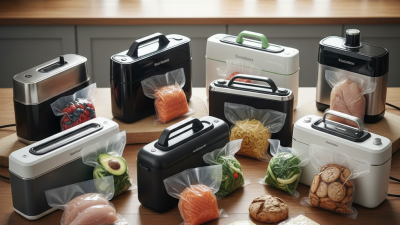
Consider the machine's design and size. Compact models can save counter space but may lack power. Larger machines can be challenging to store but often handle various food types better. Reflect on kitchen space and how often you’ll use the vacuum sealer. The ideal machine is one you can easily access. Think about your cooking habits too. If you frequently freeze items, a more robust model may be beneficial.
Comparing Price Ranges and Budget Options for Vacuum Sealers
When selecting a vacuum sealing machine, understanding price ranges is essential. There are budget options that still deliver good performance. Generally, these models cost between $30 to $100. They are suitable for occasional use and basic sealing needs. However, they may lack advanced features. Some can struggle with thicker materials or high volumes.
Mid-range models offer a balance of features and price, ranging from $100 to $300. These machines often include more durability and extra settings.
Users can find options for different sealing tasks. Consider the material types and frequency of use before making a choice. Higher-end models, costing above $300, provide commercial-grade performance. They seal food quickly and have multiple functionalities. Yet, not everyone needs such capacity or speed. Assess your needs before investing in expensive machinery.
Budget constraints can limit options. Spending less often means sacrificing quality. Buyers should think critically. Sometimes spending a little more can yield better long-term results. Check user reviews and expert recommendations for guidance. This can aid in making a more informed decision. Choose wisely to meet your sealing needs without overspending.
Evaluating Brand Reputation and Customer Reviews for Better Choices
When selecting a vacuum sealing machine, brand reputation and customer reviews are vital factors. According to a recent market analysis, over 70% of consumers trust online reviews as much as personal recommendations. This indicates that genuine feedback from users can significantly influence purchasing decisions. Quality machines often receive high ratings for their durability and efficiency.
However, not all products receive equal praise. Some machines may have outstanding features yet face criticism for ease of use. It's essential to read comprehensive reviews and weigh the pros and cons. For instance, a sealing machine may excel in performance but could be complicated for beginners. Consumer reports suggest that nearly 30% of users encountered challenges during first-time usage, mainly due to unclear instructions.
Evaluating the overall brand reputation can offer deeper insights. Companies with long-standing histories of customer satisfaction tend to stand out in the market. Experts recommend considering warranty options and customer support availability. A solid warranty can reflect a manufacturer's confidence in their product. In the ever-evolving market, understanding real user experiences and brand reliability is crucial for informed choices.
Maintenance Tips for Ensuring Longevity of Your Vacuum Sealing Machine
To keep your vacuum sealing machine running efficiently, maintenance is crucial. Regularly clean the sealing strip to prevent food residue buildup. After each use, wipe it down with a damp cloth. This simple step avoids potential malfunction.
Check the vacuum chamber often. Dust and crumbs can interfere with performance. Use a soft brush to gently remove debris. This small action can significantly prolong the machine's lifespan. Neglecting it could lead to frustrating issues later.
Pay attention to the vacuum bags you use. Substandard bags might cause sealing problems. Always choose high-quality bags that fit your machine well. Cheap alternatives can let air in, ruining your food. Proper care and attention truly make a difference. Your machine deserves it.
2026 Best Vacuum Sealing Machine Features Comparison