Why Choose a Label Printer Machine for Your Business Needs?
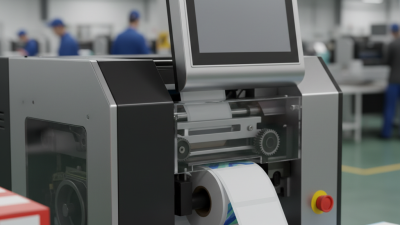
In today's fast-paced business landscape, efficiency and organization are key. A Label Printer Machine stands out as a vital tool for many companies. It offers a reliable solution for creating custom labels quickly and accurately. By implementing this technology, businesses can streamline their operations and enhance their branding.
The versatility of label printers aids in diverse applications, from shipping and inventory management to product labeling. However, not all label printer machines are created equal. Selecting the right one can be challenging. It's essential to consider factors like print speed, label quality, and connectivity features. Potential users must reflect on their specific needs and the scalability of their chosen solution.
Embracing a Label Printer Machine can lead to improved accuracy and efficiency. But, with numerous options available, businesses must weigh their decisions carefully. The perfect choice should align with both immediate requirements and future growth aspirations. Investing in the right machine can transform your labeling process, driving success and professionalism in your operations.
Benefits of Label Printer Machines for Businesses
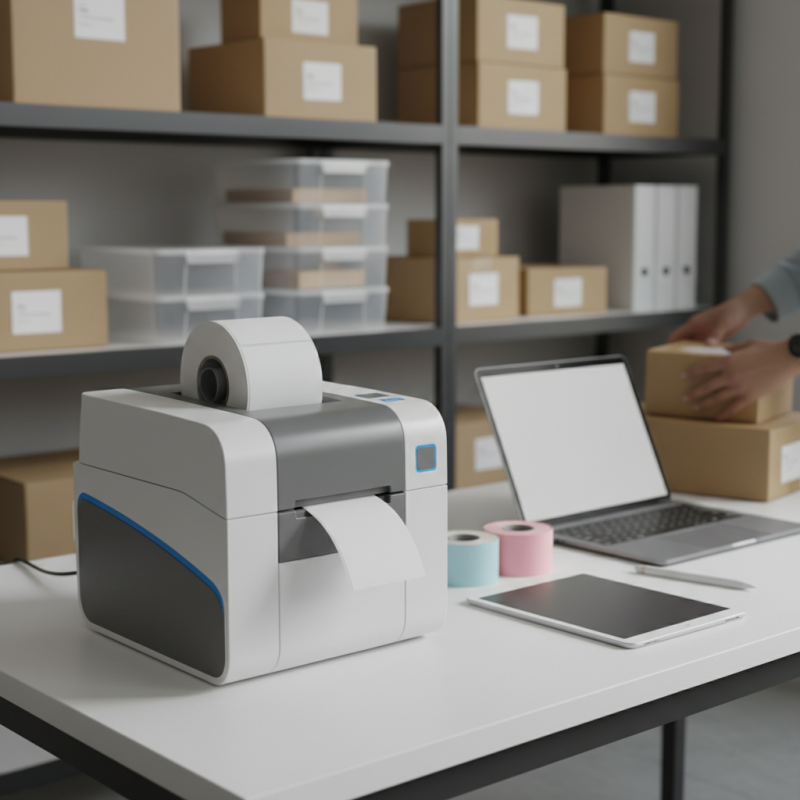
Businesses today face unique challenges in labeling and packaging. A label printer machine can address many of these challenges efficiently. It allows for quick production of high-quality labels. This is essential for inventory management, product branding, and compliance. The flexibility to print various label sizes helps companies adapt to changing needs.
Speed is another key benefit. Label printers produce labels faster than traditional methods. This efficiency reduces waiting time and increases productivity. Additionally, businesses can create labels on-demand. There’s no need for pre-printed stock that may go unused or become outdated.
Cost-effectiveness is crucial for any business. Investing in a label printer can lower long-term expenses. However, some might worry about the initial investment. It's important to weigh the potential savings against upfront costs. Reflecting on these factors helps make informed decisions. Businesses must consider their specific needs and how a label printer can support growth and efficiency.
Types of Label Printers and Their Applications
Label printers come in various types, each tailored for specific applications.
Thermal transfer printers use heat to transfer ink onto labels. They produce durable, high-quality prints suitable for product labeling and shipping. These printers can handle various materials, making them versatile for different industries.
Direct thermal printers simplify the process by printing directly on heat-sensitive paper. They are often used for shipping labels or barcodes.
However, their prints may fade over time, which can be a concern for long-term labeling needs. Yet, they’re cost-effective and perfect for short-term projects.
Inkjet label printers are another option. They offer vibrant color output and can print on various materials, including glossy surfaces.
While they excel in aesthetics, ink costs can add up.
Businesses should weigh these factors carefully. Each type has strengths and weaknesses. Understanding these differences will help businesses make informed decisions.
Cost Efficiency and Time-Saving Advantages
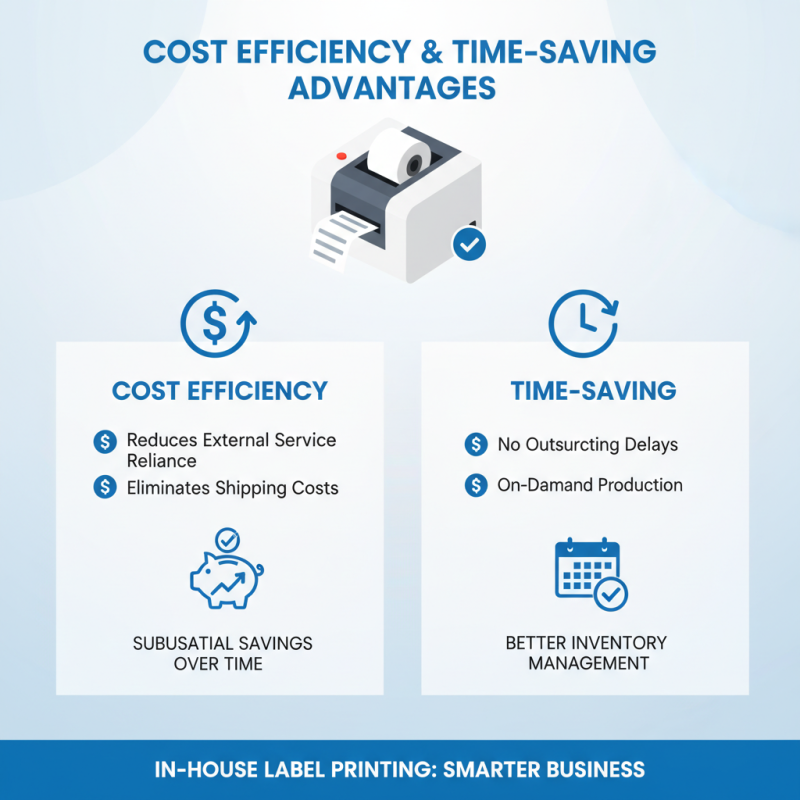
When it comes to managing business operations, cost efficiency and time-saving strategies are crucial. A label printer machine can significantly enhance these aspects for your business. Printing labels in-house reduces reliance on external services. This can lead to substantial savings over time. You sidestep shipping costs and delays that come with outsourcing. Each label is produced on-demand, allowing for better inventory management.
Time is a valuable resource. Label printers streamline the labeling process. No more waiting for batches to arrive; you can print labels as needed. This flexibility allows for quick adjustments. Whether you change product designs or update pricing, you can react instantly. Furthermore, these machines often have user-friendly interfaces, making them accessible even for those with limited tech expertise.
However, it's essential to consider initial setup costs. Investing in a label printer requires upfront expenses. Businesses must evaluate their label printing needs wisely. Is the volume high enough? Could resources be better allocated elsewhere? Realigning your strategy involves assessing whether the potential savings outweigh these costs. Regular reviews can help ensure that this investment continues to meet your evolving business requirements.
Improving Branding and Professional Appearance
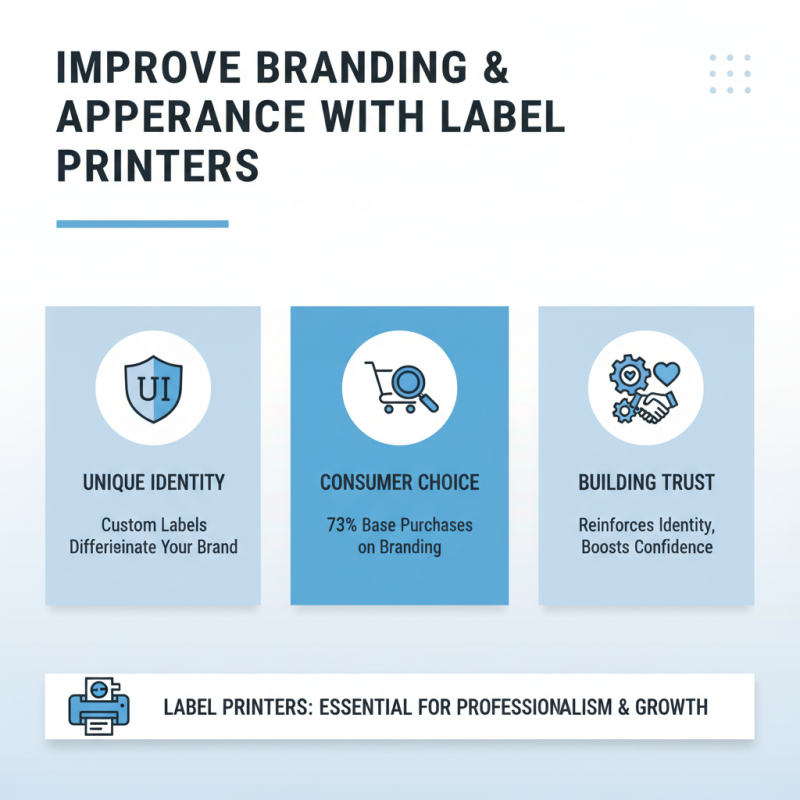
Label printers play a crucial role in enhancing branding and achieving a professional appearance. By using custom labels, businesses can create a unique identity that sets them apart. Research from the National Retail Federation indicates that 73% of consumers base their purchasing decisions on branding. Effective labeling reinforces brand identity and builds customer trust.
Professionally printed labels can also serve functional purposes. They provide essential information and convey product quality. According to a study by the Packaging Association, over 65% of consumers associate high-quality labels with premium products. This perception can significantly impact sales. Inconsistent or poor-quality labeling, on the other hand, can drive customers away. It’s a reflection of the business's attention to detail, and many overlook this critical aspect.
Investing in a label printer aids in control over branding. It enables businesses to adapt designs quickly based on market feedback. However, not all labels maintain the same standard. Some businesses might settle for cheaper options, risking a drop in perceived value. The balance between cost and quality requires reflection and careful planning.
Choosing the Right Label Printer for Your Business Needs
Choosing the right label printer can significantly impact your business efficiency. Many industries rely on labels for organization, compliance, and branding. According to a report by Research and Markets, the global label printer market is projected to grow by 6.3% annually. This indicates a rising demand for reliable printing solutions.
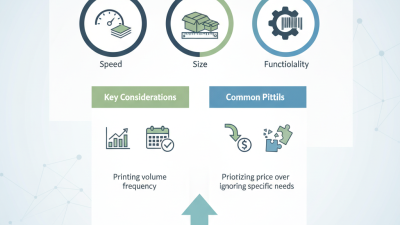
When selecting a label printer, consider your specific needs. Evaluate the volume of labels you produce. If high volume is required, a thermal transfer printer might be suitable. Print speed is also crucial. Businesses that face time constraints may find slower printers frustrating, which can affect productivity.
Think about the types of labels you will be printing. Different printers support various materials and sizes. For instance, some may only handle standard paper labels, while others can print on synthetic materials. This nuance is essential in ensuring your labels adhere well to products. Investing time in selecting the right model can save costs and improve workflow. Regular analysis of label printing solutions may reveal areas for improvement as business needs evolve.
Why Choose a Label Printer Machine for Your Business Needs?
| Feature |
Description |
Benefits |
Ideal For |
| Print Speed |
Fast printing capabilities for high-volume tasks |
Increases productivity |
Retail, Warehousing |
| Print Resolution |
High DPI (dots per inch) for clear images and text |
Enhances brand image with professional labels |
Food Industry, Health Sector |
| Connectivity Options |
USB, Wi-Fi, and Bluetooth capabilities |
Flexible integration with existing systems |
Small Businesses, Logistics |
| Label Variety |
Supports various label sizes and types |
Versatile for multiple labeling needs |
E-commerce, Manufacturing |
| User-Friendly Design |
Intuitive interfaces and easy-to-replace supplies |
Reduces training time, improves efficiency |
Startups, Office Use |