Why Choose a Label Printing Machine for Your Business Needs?
In today's fast-paced market, the importance of efficient labeling cannot be overstated. A recent industry report states that over 70% of consumers consider labeling when purchasing a product. This statistic reinforces the need for businesses to invest in a reliable Label Printing Machine. With the right equipment, companies can create attractive and informative labels that enhance brand identity.
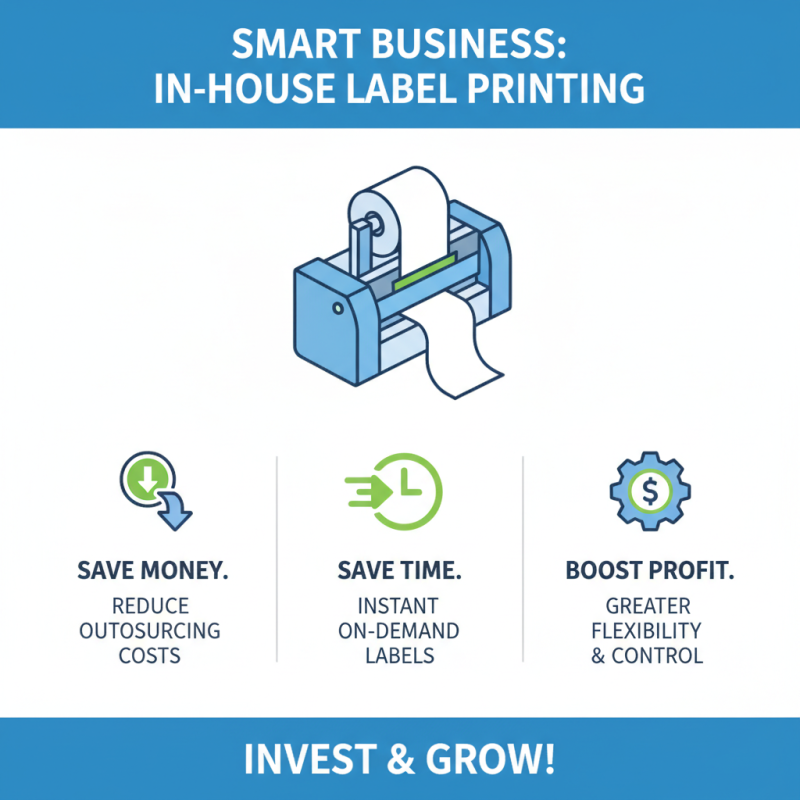
Choosing a Label Printing Machine is crucial for productivity. Many businesses face the challenge of high operational costs associated with outsourcing labeling tasks. By bringing this process in-house, companies can save up to 30% on labeling expenses. This investment allows for greater control over design and production timelines. However, it requires careful consideration and planning.
Additionally, not all Label Printing Machines are created equal. Some models may lack the speed or quality businesses need. Investing in the right technology also means keeping up with evolving industry standards. Reflecting on these aspects, businesses must weigh the benefits against potential limitations when selecting their labeling solutions.
Advantages of Using a Label Printing Machine in Business Operations
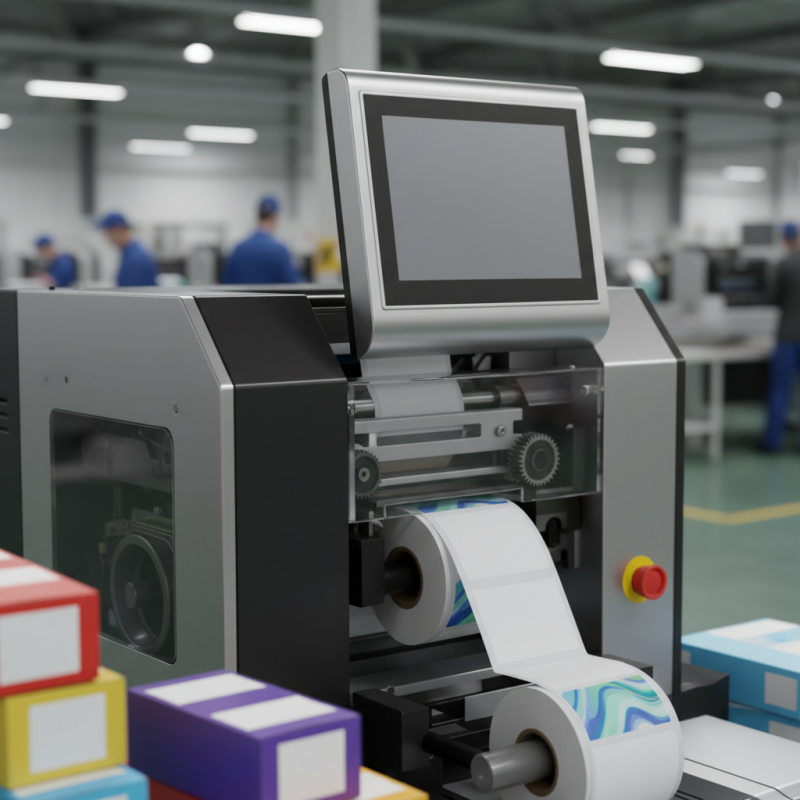
Label printing machines offer great advantages for businesses. They streamline operations by producing custom labels quickly. This enhances branding, allowing companies to stand out. Consistent branding builds trust with customers. You can print labels on demand, reducing storage needs and costs.
It's important to choose the right machine. Different models offer various features. Assess your specific needs carefully. Consider factors like volume and label size. This can prevent future regrets about your choice. Investing in a quality machine may save money long-term.
Here’s a tip: do your research before purchasing. Read reviews and compare specifications. Test your options if possible. Check that the machine fits in your workspace. No one wants clutter. An organized area leads to more efficient use.
Why Choose a Label Printing Machine for Your Business Needs? - Advantages of Using a Label Printing Machine in Business Operations
| Advantages |
Description |
Impact on Business |
| Cost Efficiency |
In-house label printing reduces outsourcing costs. |
Lower operational costs and increased profit margins. |
| Customization |
Ability to design labels according to specific needs. |
Enhanced branding and marketing opportunities. |
| Quick Turnaround |
Immediate printing allows for faster production rates. |
Improved inventory management and responsiveness. |
| Quality Control |
Direct oversight of label quality during production. |
Consistent product quality and reduced defects. |
| Flexibility |
Adaptable to various label sizes and materials. |
Ability to respond to changing market demands. |
Types of Label Printing Machines and Their Suitable Applications
When selecting a label printing machine, understanding the types available is crucial. Different machines cater to diverse applications, each with unique advantages. For instance, digital label printers excel in producing high-quality labels quickly. According to a recent industry report, the digital printing market is projected to grow by 12% annually by 2025. This growth highlights the increasing demand for customization and small-batch production.
On the other hand, flexographic printers are ideal for high-volume runs. They are widely used in the food and beverage industries due to their efficiency. However, a common oversight is underestimating setup times, which can affect overall productivity. Many businesses often overlook the often complex nature of operating these machines. Meanwhile, inkjet printers offer versatility and are perfect for printing directly onto products. A survey indicates that over 70% of companies prioritize versatile solutions, reflecting a need for adaptable technology in dynamic markets.
It's worth noting that while each machine has its strengths, the choice depends on specific business needs. Some companies invest heavily without fully understanding their printing requirements. This can lead to wasted resources and unmet expectations. Being mindful of the unique features of each type helps align technology with actual production goals. Businesses must take the time to evaluate their needs carefully before making a decision.
Cost-Effectiveness: Investing in a Label Printer for Your Business
Investing in a label printing machine can significantly improve your business's cost-effectiveness. Traditional labeling methods often involve outsourcing tasks, which can inflate expenses. By producing labels in-house, companies can save money over time. Imagine being able to create product labels at a moment's notice. This flexibility can be a game-changer.
Another consideration is the quality of labels. In-house printing allows you to control the design and materials. You can adjust sizes and colors quickly to suit your changing needs. However, some businesses may struggle with the learning curve. Training staff to use the equipment efficiently takes time and effort. There can be trial and error involved, which might lead to some waste in materials initially.
Despite these challenges, the long-term benefits can outweigh the initial difficulties. A label printer can help streamline production processes. This investment also leads to faster turnaround times. In today's fast-paced market, speed and adaptability are crucial. Errors can occur, and sharp learning curves can be frustrating. But the goal should always focus on improvements and growth.
Enhancing Branding and Marketing with Custom Labels
Custom labels have emerged as a pivotal element in enhancing branding and marketing strategies for businesses. According to a recent industry report, 86% of consumers say that product packaging influences their purchasing decisions. Custom labels create a unique identity for your products. They tell a story and build a connection with the audience. This connection often leads to increased customer loyalty and repeated purchases.
A label printing machine enables businesses to create custom designs swiftly and efficiently. This agility allows for adaptability to changing market trends and consumer preferences. A study revealed that 70% of customers value eco-friendly packaging. Brands that adopt sustainable label materials can attract this segment. However, not all businesses harness this opportunity. Some still shy away from investing in modern printing machinery. This hesitation could mean losing potential customers and market share.
Moreover, the importance of high-quality visuals in labels cannot be overstated. Eye-catching designs can lead to a 40% higher engagement rate on store shelves. Yet, many companies overlook the need for professional graphic design alongside their labels. A poor design can deter customers, even if the product quality is high. Brands must reflect on their current labeling strategies. Are they using labels effectively enough to drive sales and connect with their audience?
Simplifying Inventory Management with Efficient Labeling Solutions
Efficient labeling solutions are vital for effective inventory management. Businesses face challenges like misplaced items and inaccurate records. According to a recent study, poor labeling can account for up to 20% of inventory discrepancies. This directly impacts revenue and customer satisfaction.
A label printing machine provides a streamlined approach. It allows quick adjustments to labels, reducing errors. Efficiency can improve by up to 30% with accurate labeling. However, implementing a labeling system is not always smooth. Staff training is crucial. Without proper understanding, errors can increase.
Moreover, some businesses struggle with maintenance. Neglecting regular checks can lead to breakdowns. This interrupts the workflow. Industry data indicates that machines that are poorly maintained have a 15% higher chance of malfunctioning. Investing in technology is essential, but it must be paired with strategic handling. It’s a balance between tech and human interaction for optimal results.