Can Sealer Machine Improve Packaging Efficiency and Quality?
In the fast-paced packaging industry, efficiency and quality are paramount. The question arises, "Can Sealer Machine enhance these crucial aspects?" According to a recent report by Smithers Pira, 60% of companies are enhancing their production lines with advanced sealing technologies. This trend reflects a broader recognition of the importance of reducing waste and improving speed in packaging processes.
The implementation of a Can Sealer Machine can lead to significant cost savings and improved product integrity. Data from the Packaging Machinery Manufacturers Institute indicates that modern sealer machines can increase sealing speeds by up to 30%. However, some companies still hesitate to adopt these machines due to initial investment costs or concerns about training staff.
Understanding the balance of advantages and challenges is vital. A Can Sealer Machine can dramatically reduce operational errors, yet its effectiveness hinges on proper maintenance and skilled operators. Thus, industry stakeholders must critically assess the integration of new technology into their workflows to truly benefit from enhanced efficiency and quality.
Can Sealer Machines Enhance the Efficiency of Packaging Processes?
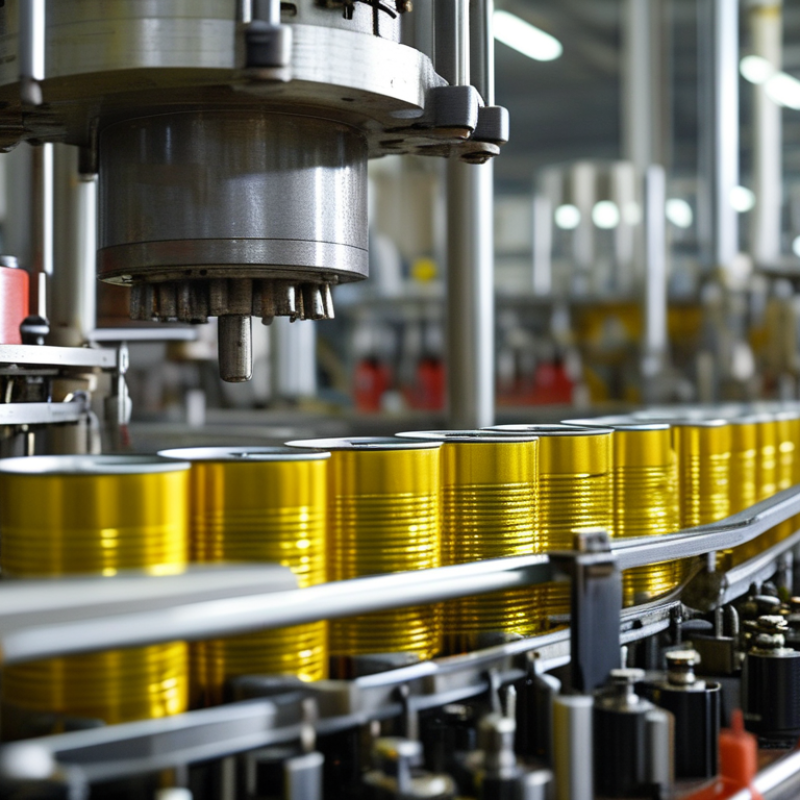
In today's fast-paced production environment, sealer machines play a crucial role. They enhance the efficiency of packaging processes significantly. These machines streamline the sealing phase. By ensuring airtight seals, they reduce product spoilage. This leads to longer shelf life and reduced waste.
Tips: Regular maintenance of sealing equipment is essential. Check seals frequently for any wear. Adjust temperature settings based on the materials used.
Worker training is vital for optimal performance. Employees must understand how to operate machinery effectively. Misuse can lead to poor sealing quality. If errors occur, it’s important to analyze and rectify them swiftly.
Additionally, consider adapting technology. Automation can further improve speed and accuracy. Yet, it’s necessary to evaluate cost vs. benefit carefully. Some may find initial setup costs high. Reflecting on these aspects can lead to better decision-making regarding packaging processes.
Impact of Sealer Machines on Product Shelf Life and Quality Assurance
Sealer machines play a crucial role in ensuring product shelf life and maintaining quality assurance. By effectively sealing packages, these machines prevent contamination and exposure to air. This reduction in exposure can lead to longer shelf life for perishable goods. The meticulous sealing process minimizes leaks and product spoilage, which is vital for industries like food and pharmaceuticals.
**Tips**: Regular maintenance of sealer machines is crucial. Worn-out parts can affect sealing quality. Ensure you train employees on proper sealing techniques, as mistakes could lead to product damage.
Moreover, quality assurance becomes easier with consistent sealing. Effective seals help maintain product integrity from production to consumption. However, over-reliance on technology may introduce challenges. Occasionally, human oversight is required to ensure that the seal is adequate. It’s important to periodically inspect sealed products to prevent unexpected issues.
**Tips**: Consider conducting routine checks on packaged products. Even the most efficient machines can miss a flaw. Gathering feedback from consumers also helps spot potential problems early on.
Impact of Sealer Machines on Packaging Efficiency and Product Quality
Analyzing Cost Savings Associated with Automated Sealing Technologies
Automated sealing technologies have revolutionized packaging efficiency. According to industry reports, the global automated packaging market is expected to reach $97 billion by 2025. Businesses that adopt these technologies are seeing significant reductions in labor costs, leading to long-term savings. For example, studies indicate that automation can cut packaging labor costs by up to 30%.
Quality assurance is another critical benefit. Automated sealer machines provide consistent sealing, reducing product damage and increasing shelf life. Data shows that about 13% of products are damaged during manual sealing processes. In contrast, automated systems can achieve sealing quality rates above 98%. This consistency not only boosts customer satisfaction but also protects brand reputation.
However, implementing such technologies is not without challenges. Initial investment costs can be high, often deterring smaller businesses. Maintenance and training are additional concerns. Owners need to assess whether the long-term savings justify these upfront expenditures. Reflecting on these trade-offs is crucial for companies looking to enhance their packaging processes.
Can Sealer Machine Improve Packaging Efficiency and Quality? - Analyzing Cost Savings Associated with Automated Sealing Technologies
| Parameter |
Before Automation |
After Automation |
Cost Savings (%) |
| Sealing Speed (units/hour) |
150 |
300 |
50% |
| Labor Cost ($/hour) |
20 |
10 |
50% |
| Material Waste (%) |
5 |
2 |
60% |
| Setup Time (minutes) |
30 |
10 |
66.67% |
| Overall Efficiency (%) |
75 |
90 |
20% |
Key Metrics for Evaluating Sealing Machine Performance in Industry
When evaluating sealing machine performance, several key metrics come into play. Speed is one of the most critical factors. Machines that can seal more packages per minute often lead to increased productivity. However, it is essential to find a balance. High speed can compromise the quality of the seal, leading to leaks or package failures. A machine should not only be fast but also capable of maintaining consistent sealing quality.
Another vital metric is seal integrity. This refers to the strength and reliability of the seal itself. A weak seal may cause products to spoil or become contaminated. Regular testing is necessary to ensure that seals remain tight under various conditions. Additionally, monitoring the temperature and pressure used during sealing can help identify issues early on.
Maintenance also plays a role in machine performance. Regular upkeep ensures that machines work efficiently and avoid unexpected breakdowns. Yet, many facilities overlook this aspect. Scheduling routine maintenance can minimize disruptions. It’s a constant balancing act between efficiency, quality, and cost-effectiveness.
Future Trends in Sealing Technology and Their Implications for Packaging
The future of sealing technology is shaped by innovations that enhance efficiency and quality in packaging. New methods focus on smarter materials and automation, enabling faster production lines. For instance, advanced sensors can detect seal integrity and alert operators instantly. This technology minimizes waste and reduces rework.
Another trend is the integration of eco-friendly practices. Companies are exploring biodegradable sealing materials. Implementing such solutions can improve a brand's reputation and appeal to eco-conscious consumers. However, transitioning to these materials poses challenges. They may not perform as well as traditional options, leading to potential quality concerns.
As packaging demands evolve, so must sealing technology. Innovations are essential, yet not without shortcomings. Understanding these limitations is crucial for organizations aiming to enhance their packaging processes. Balancing efficiency with quality remains a key concern for many in the industry.