Best Tips for Choosing a Vacuum Seal Machine for Your Needs?
When it comes to food preservation, a Vacuum Seal Machine can play an essential role. According to a recent report by MarketsandMarkets, the global vacuum packaging market is projected to reach $31.9 billion by 2026. This growth reflects the increasing demand for effective food storage solutions. A quality vacuum seal machine can enhance food freshness and extend shelf life by minimizing exposure to air, which is crucial for households and businesses alike.
Choosing the right vacuum seal machine requires careful consideration. Features such as sealing strength, ease of use, and durability are vital. Some machines can accommodate different bag sizes, which adds versatility to your food storage options. However, not all machines are created equal. Many users express frustration over poor sealing performance or the complexity of operation.
In a market flooded with choices, identifying the right machine for your needs can be overwhelming. Research reveals that around 30% of consumers regret their vacuum seal machine choice. By understanding your specific requirements and the features available, you can make a more informed decision. This guide aims to simplify your selection process and help you invest wisely in a vacuum seal machine that meets your expectations.
Understanding Your Vacuum Sealing Needs
When choosing a vacuum seal machine, it’s crucial to understand your specific needs. Are you sealing food items, clothing, or other materials? Each application has its unique requirements. For instance, food preservation may require strong suction power and appropriate bag materials. Non-food items might demand different sealing options and durability factors.
Consider the frequency of use. Will this be an everyday tool or for occasional use? Frequent users may need robust machines. Occasional users could manage with a simpler model. It's important to think about how much space you have for storage as well. Larger machines require more room, while compact models can fit in smaller kitchens.
Another aspect to reflect on is the cost versus functionality. Higher prices often come with advanced features. However, these features may not be necessary for everyone. Think carefully about your requirements before investing. Balancing your budget with genuine needs can lead to the best choice. Making an informed decision can help avoid future regrets.
Types of Vacuum Seal Machines Available
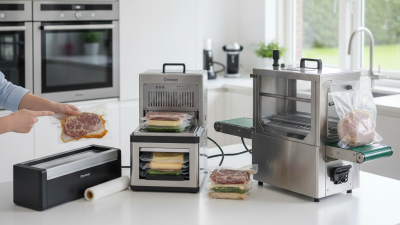
When selecting a vacuum seal machine, understanding the types available is crucial. There are mainly two categories of vacuum seal machines:
external suction sealers and chamber sealers.
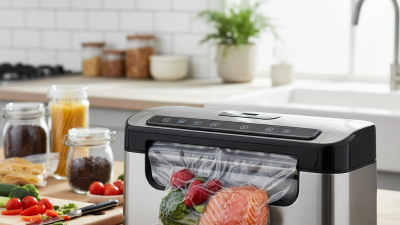
External suction sealers are compact and user-friendly. They work by sucking air from a bag before sealing it.
They are suitable for home use and small-scale operations.
According to industry reports, these machines account for 70% of the consumer market due to their accessibility.
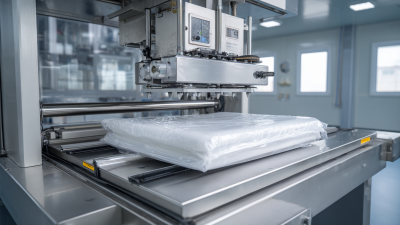
Chamber sealers, on the other hand, cater to professional settings.
They remove air from a chamber, allowing for more durable packaging.
This process contributes to better preservation of food and other items.
Recent studies indicate that chamber machines can prolong shelf life by up to 50%.
However, their higher price point can be intimidating. Many users may initially overlook their advantages in efficiency and versatility.
It's important to evaluate your specific needs.
Consider factors such as bag material compatibility and maximum sealing width.
Analysis reveals that many buyers do not fully explore the range of features.
An ideal choice balances performance with budget while acknowledging potential limitations.
Remember, investing a little more upfront can yield significant long-term benefits.
Consider all angles before making a decision.
Key Features to Consider When Choosing a Vacuum Sealer
Choosing the right vacuum seal machine involves understanding several key features. First, look for the suction power. A model with strong suction ensures more effective sealing. According to industry reports, machines with at least 20-25 inHg of vacuum pressure are recommended for optimal results.
Next, consider the sealing strip width. A wider sealing strip, typically around 12-15 millimeters, provides a better seal for different types of bags. This is essential, especially when sealing liquids or moist foods.
Here are a few tips to keep in mind. Pay attention to the machine's usability. A model with clear controls simplifies the process. Additionally, check if it has customizable settings. This allows you to adjust based on what you're sealing.
Durability is another aspect to consider. Higher-quality materials extend the lifespan of your machine. Some users note that lightweight models can wear down faster. It's worth reflecting on your usage frequency to determine the best fit. Remember, investing in a vacuum sealer requires careful consideration of these features to meet your long-term needs effectively.
Evaluating Vacuum Sealers Based on Cost and Quality
When evaluating vacuum sealers, both cost and quality must be considered. A reliable vacuum sealer can range from $30 to over $300. This broad price range often reflects the machine's durability and features. According to a 2021 industry report, consumers who invest more than $100 often report higher satisfaction ratings. This suggests that spending more can lead to better long-term performance.
Quality is equally critical. Many mid-range brands offer decent suction power and sealing efficiency. A study found that models priced around $80 tend to last at least five years with proper care. However, some cheaper models may fail after only a few months. It’s essential to research consumer reviews. Not all high-priced products deliver quality service, and not all budget versions fall short.
Look for features that matter most to your needs. A machine with adjustable settings can accommodate diverse food types. Users have noted that seal quality can falter in lower-end machines because of inadequate heating elements. Investing in a quality vacuum sealer may initially seem costly, but it pays off through longevity and effective preservation.
Tips for Maintenance and Longevity of Your Vacuum Sealing Machine
Vacuum sealing machines can enhance food storage and reduce waste. However, proper maintenance is vital for longevity. Regular cleaning is the foundation of upkeep. After each use, wipe down the machine with a damp cloth. Ensure the sealing strip is free from debris. A clean machine will ensure perfect seals.
Another critical tip involves checking the gaskets. Over time, gaskets can wear out and lose their sealing capabilities. Regularly inspect them for cracks or tears. If they appear compromised, consider replacing them. This step can prevent air leaks and extend the life of your machine.
Lastly, store your vacuum sealer in a cool, dry place. Humidity can cause significant damage over time. Additionally, avoid overcrowding your machine with other kitchen equipment. This could lead to unintended scratches or dents. Reflect on your storage habits to keep your vacuum sealer in top shape.