What is a Vacuum Packaging Machine and How Does It Work?
The Vacuum Packaging Machine is a vital tool in food preservation. It removes air from packaging, extending shelf life and maintaining freshness. According to industry expert Dr. Emily Carter, “A Vacuum Packaging Machine not only keeps food safe but also enhances its quality.” This statement highlights its significance in various sectors, from food service to retail.
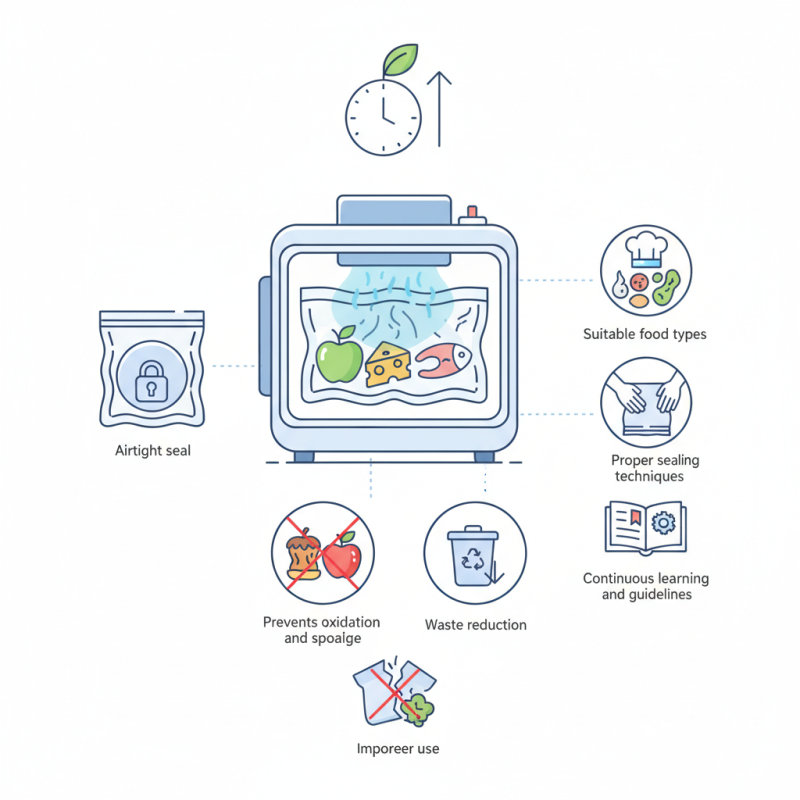
Vacuum packaging technology works by sealing products in airtight bags. This process eliminates oxidation, which causes spoilage. As a result, food items remain fresh longer. This is particularly important in today's fast-paced world, where waste reduction is key. However, while vacuum packaging is efficient, improper use can lead to contamination.
Understanding how a Vacuum Packaging Machine operates is crucial. Users must be aware of suitable food types and proper sealing techniques. Mistakes in the process can negate benefits. Thus, continuous learning and adherence to guidelines are essential for optimal results.
What is a Vacuum Packaging Machine?
A vacuum packaging machine is an innovative device aimed at extending the shelf life of food products by removing air from the packaging. These machines work by sealing food in airtight bags, preventing oxidation and the growth of bacteria. According to industry data from the European Packaging Association, vacuum packaging can increase the storage life of perishable items by up to five times.
In practice, the process involves placing the food item into a plastic bag and using the machine to create a vacuum seal. This method is notable for its role in meal prep and food preservation. Many households and businesses turn to vacuum sealing for its efficiency in storing bulk purchases. A significant report by Market Research Future highlighted a growing demand for vacuum packaging in the food industry, projecting an annual growth rate of over 4%.
However, using vacuum packaging machines requires proper technique. Overpacking or improper sealing can lead to spoilage. Vacuum packaging does not eliminate the need for refrigeration, as bacteria still grow at low temperatures. As with many methods, challenges exist, including the initial investment in equipment and learning the best practices for various foods.
What is a Vacuum Packaging Machine and How Does It Work?
| Feature |
Description |
Benefits |
| Functionality |
Removes air from packaging to extend shelf life. |
Prevents spoilage and contamination. |
| Types |
Chamber vacuum sealers, external suction sealers. |
Variety for different needs and budgets. |
| Applications |
Food storage, sous-vide cooking, medical supplies. |
Versatile use across various industries. |
| Operation |
Involves sealing bags after air removal. |
Simple and effective sealing process. |
| Maintenance |
Regular cleaning and part replacement as needed. |
Ensures longevity and performance. |
Key Components of a Vacuum Packaging Machine
A vacuum packaging machine plays a crucial role in food preservation. It removes air from a package before sealing it tightly. This process extends the food's shelf life by reducing oxidization and microbial growth. Understanding its key components can help users make informed decisions.
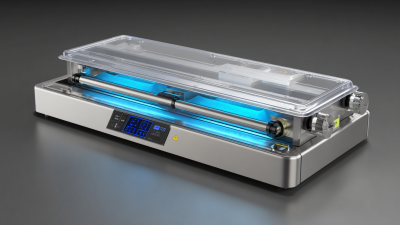
One essential part is the vacuum chamber. It houses the items during the packaging process. The vacuum pump creates a low-pressure environment, efficiently pulling out air. Another significant component is the heat sealer. It melts the plastic film, sealing the package tightly. The control panel lets users set time and pressure levels, ensuring proper sealing.
Despite its effectiveness, users may encounter challenges. For instance, not all materials are suitable for vacuum sealing. Some can melt or alter taste. Understanding these intricacies is vital for maximizing the machine's potential. Regular maintenance is also essential, as wear and tear can affect performance over time.
Annual Sales Growth of Vacuum Packaging Machines (2018-2022)
How Vacuum Packaging Works: The Process Explained
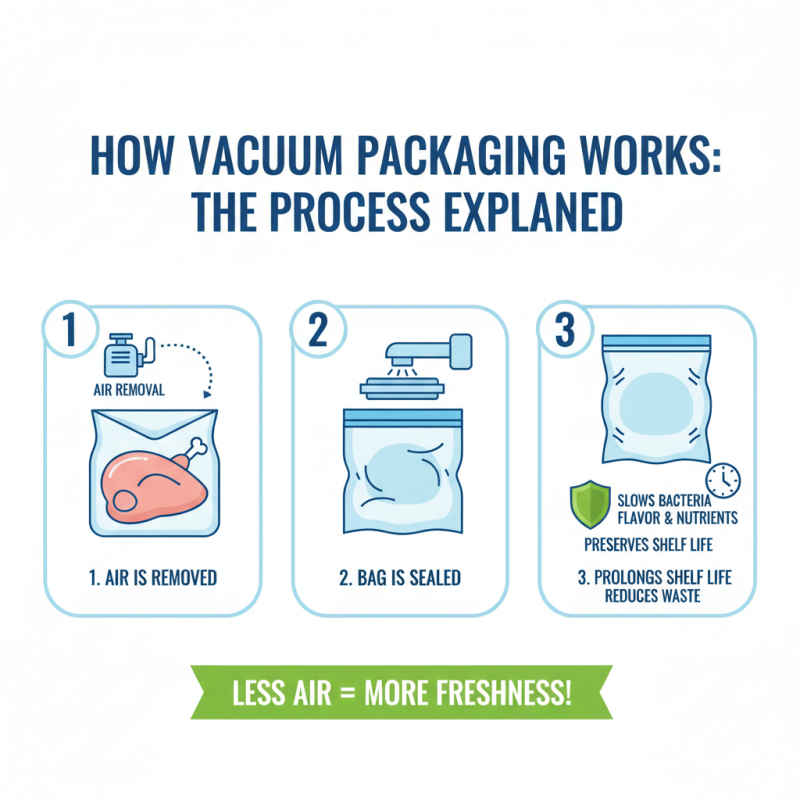
Vacuum packaging is a fascinating process that enhances food preservation. This technique involves removing air from a packaging bag before sealing it. By doing this, the growth of bacteria and mold is significantly slowed. Additionally, nutrients and flavors remain intact for longer periods. It is an efficient way to prolong shelf life and reduce waste.
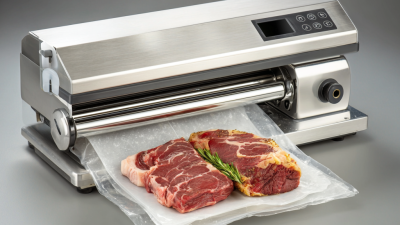
The vacuum packaging process starts with placing the item in a plastic bag. The machine then uses a pump to extract air. Once the air is removed, the bag is sealed tightly. This creates a vacuum-sealed environment that protects the contents. Many people may not realize that this method also protects food from freezer burn, which can ruin texture and taste.
While vacuum packaging is effective, it is not foolproof. Improper sealing can allow air to enter, negating its benefits. Users need to check the seal regularly. It’s also crucial to consider that not all foods are suitable for vacuum packing. Moist items may need additional care to avoid spoilage. Embracing this technique requires understanding its limitations and advantages.
Applications and Benefits of Vacuum Packaging
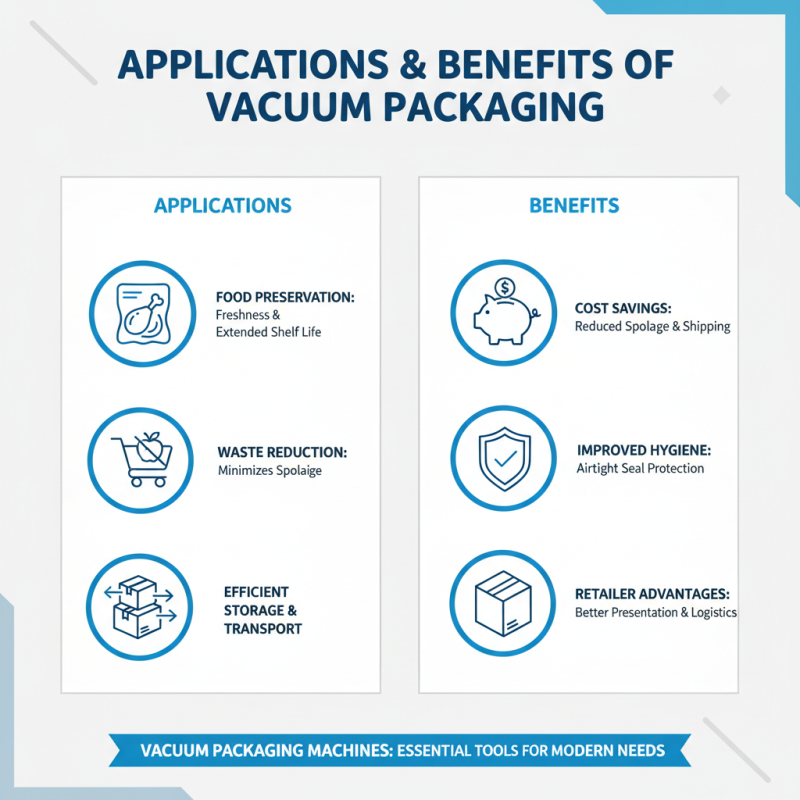
Vacuum packaging machines are essential tools that extend the shelf life of various products. These machines remove air from packaging, creating an airtight seal. This process helps preserve the freshness of food items, minimizes spoilage, and reduces waste. For retailers, vacuum packaging allows for more efficient storage and transport, which can lead to cost savings.
In the food industry, vacuum packaging has multiple applications. It is widely used for meat, fish, and produce. However, not all products are suitable for vacuum sealing. For instance, soft fruits may get crushed during the sealing process. Additionally, vacuum heating can affect the texture and flavor of some foods, leading to mixed results. Therefore, testing different foods can help determine the best practices for vacuum packing.
Beyond food preservation, vacuum packaging finds uses in other sectors. It is ideal for medical devices and electronics, protecting them from moisture and contamination. However, some limitations exist. Not every item can be effectively vacuum-sealed. It is vital to assess packaging needs carefully to avoid unforeseen issues. Understanding what works best is crucial for optimizing this technology.
Maintenance Tips for Vacuum Packaging Machines
Vacuum packaging machines are essential for preserving food quality and extending shelf life. However, proper maintenance is crucial for optimal performance. Regular checks can significantly reduce potential malfunctions. According to industry reports, up to 80% of vacuum machine issues are linked to inadequate maintenance. This statistic emphasizes the importance of routine care.
To ensure your machine operates efficiently, follow these maintenance tips. Clean the sealing area after each use. Residue buildup can lead to sealing failures, reducing the effectiveness of the packaging. Additionally, lubricate moving parts regularly. Neglecting this can cause wear and tear, making the machine less reliable over time.
Monitor the vacuum pressure regularly. Machines operate best within specific pressure ranges. If pressure deviates from manufacturer specifications, it can affect food preservation. Lastly, inspect hoses and gaskets for signs of wear. A damaged gasket can lead to air leaks, compromising the vacuum seal. Regular maintenance not only enhances performance but also prolongs the lifespan of the vacuum packaging machine.