Why Choose a Vacuum Packing Machine for Your Business Needs?
In today's competitive market, efficient packaging solutions are vital for businesses aiming to enhance product longevity and reduce waste. The Vacuum Packing Machine has emerged as an essential tool in various industries, from food processing to electronics. According to a report by Grand View Research, the global vacuum packaging market is projected to reach USD 34.96 billion by 2025, reflecting a 4.5% CAGR. This growth underscores the increasing need for effective preservation techniques.
Utilizing a Vacuum Packing Machine can significantly minimize spoilage and extend shelf life. For instance, using vacuum sealing can retain the quality of food products by preventing oxidation and moisture loss. However, businesses often overlook the machine's maintenance requirements. Regular service ensures consistent performance and prevents malfunctions, which can lead to additional costs.
Choosing the right vacuum packing solution involves considering your specific needs. Factors like product type, packaging volume, and budget must be evaluated. Companies may also not fully understand the various models available, which can complicate decision-making. A well-informed choice in selecting a Vacuum Packing Machine can bring about substantial operational improvements and cost savings in the long run.
Benefits of Using Vacuum Packing Machines in Business Operations
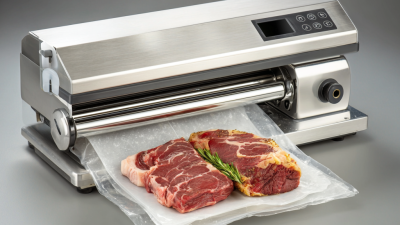
Vacuum packing machines are essential in many industries, including food processing and retail. They effectively extend the shelf life of products. By removing air from packaging, these machines reduce oxidation. This process helps maintain freshness and quality. Foods, such as meats and cheeses, benefit greatly from vacuum sealing. It prevents spoilage and maintains flavor.
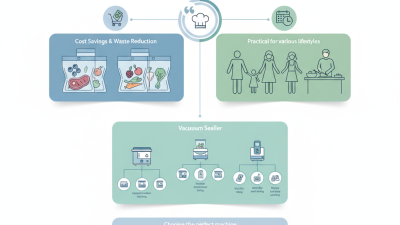
Another advantage is the cost savings in storage and transportation. Vacuum packing reduces volume, allowing for more efficient use of space. Businesses can store more products in less space, which lowers storage costs. However, some companies may overlook the initial investment needed for these machines. While the upfront cost can be significant, the long-term savings often justify the expense.
Moreover, vacuum packing enhances product presentation. Well-packed items look more appealing to customers. However, businesses should ensure they properly train staff in using the machines. Improper use can lead to packaging failures. This compromises product integrity and can damage a company’s reputation. Consistent training is key for maximizing the benefits of vacuum packing.
Benefits of Using Vacuum Packing Machines in Business Operations
Types of Vacuum Packing Machines Suitable for Different Industries
Vacuum packing machines play a critical role across various industries. For food packaging, the chamber vacuum sealers are a popular choice. They effectively remove air and extend shelf life by 2-5 times compared to traditional methods. According to the Food Processing Industry report, nearly 70% of packaged food items use some form of vacuum sealing.
In the medical field, vacuum packing machines are crucial. They ensure the sterility of surgical instruments and medical supplies. A report from the Medical Device Manufacturers Association highlights that 85% of OEMs use these machines for compliance and safety. Efficient packaging reduces contamination risks significantly.
For the electronics industry, vacuum packing protects sensitive components from moisture and dust. A study by the Electronics Packaging Association shows that up to 40% of electronic failures are due to environmental damage. Proper sealing can mitigate these risks, enhancing product reliability. Yet, despite the advantages, some businesses still struggle with the initial cost of these machines and the need for staff training. This highlights an area for reflection and process improvement in their packaging strategies.
Cost-Effectiveness of Vacuum Packing for Small and Large Businesses
Vacuum packing can be a game changer for businesses of all sizes. Small businesses often operate on tight budgets. By using vacuum packing, they reduce waste and extend the shelf life of their products. This means fewer products going bad and reducing costs. For larger companies, the savings can be massive. Bulk packaging leads to lower shipping costs and larger profit margins.
Consider a bakery. Fresh bread can spoil quickly. Vacuum packing keeps it fresh for days. This is not just a convenience; it’s a necessity. Without it, profits diminish as products become unsellable. Many businesses, however, may overlook the initial investment needed for a vacuum packing machine. While the cost can seem high, the long-term savings often outweigh this upfront expense.
It’s crucial to reflect on your packaging needs. Not every business requires the same solution. Some may find success using simpler methods. Others may need more advanced technology. Ensuring your vacuum packing method aligns with your product and market is key. Ultimately, understanding these nuances can lead to better decision-making.
Improving Product Shelf Life with Vacuum Packing Technology
Vacuum packing technology plays a vital role in extending product shelf life. By removing air, this method slows down spoilage. Bacteria and molds thrive in oxygen-rich environments. Therefore, vacuum sealing helps maintain freshness longer.
One tip is to ensure proper sealing. Incomplete seals can lead to spoilage. Inspect each package before storage. Another important aspect is choosing the right bags. Not all bags are suited for vacuum packing. Using specific materials can enhance durability and protection.
Consider how moisture affects your products. In certain cases, moisture may still enter during packing. This could lead to unexpected spoilage. Monitoring humidity levels is essential. Regularly check storage conditions to ensure optimal shelf life.
How to Choose the Right Vacuum Packing Machine for Your Needs
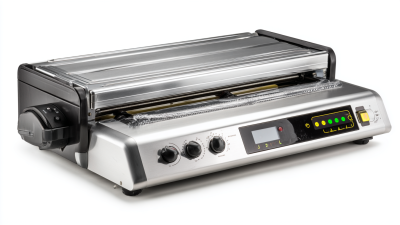
Choosing the right vacuum packing machine is critical for achieving efficiency in your operations. Look for machines that fit your specific packaging needs, whether you are dealing with food, electronics, or pharmaceuticals. Assess the types of materials you often work with. Not all machines handle every material effectively. Some may struggle with thick bags, while others excel in sealing delicate items.
Tips: Consider the size of the machine. A compact model may save space but could limit your production volume. On the other hand, large machines may offer speed but consume more resources. Think about your future growth and how a machine might impact that.
Next, evaluate the features offered by different machines. Some machines include advanced vacuum sensors, while others may lack this technology. This can affect the quality of the seal and shelf life of the product. Choosing features wisely could prevent potential issues down the line.
Tips: Always check user reviews and seek advice from industry peers. This firsthand experience can reveal strengths and weaknesses of models you’re considering. Don’t forget maintenance needs; a reliable machine should not require constant repairs.