What is a Vacuum Sealing Machine and How Does It Work?
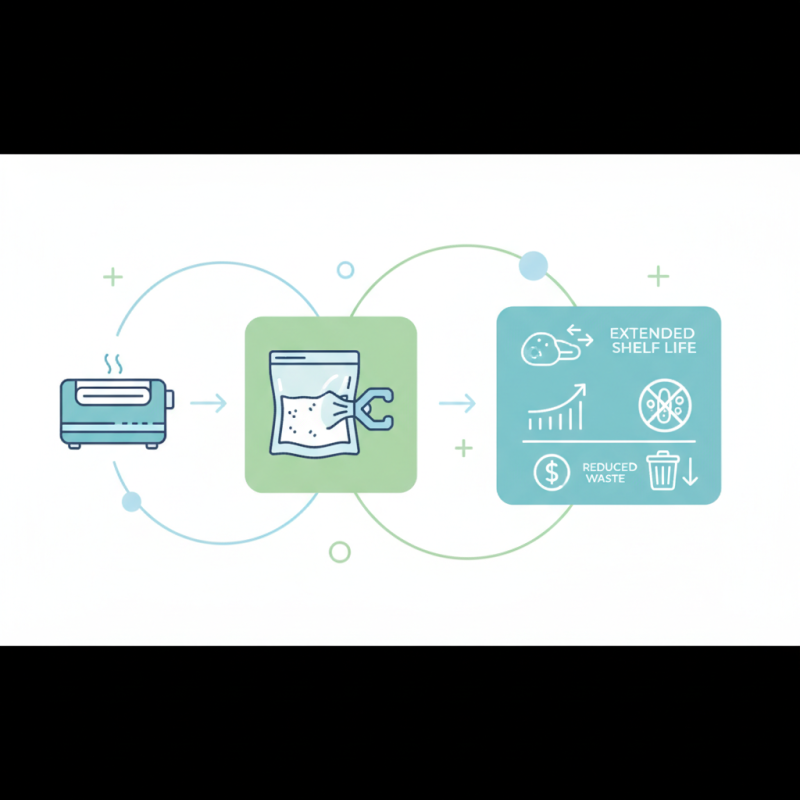
Vacuum sealing machines are innovative devices designed for food preservation. They remove air from packaging, creating a tight seal that extends shelf life. Many home cooks and commercial kitchens use these machines to reduce waste and save money.
Understanding how vacuum sealing machines work is essential. They utilize suction technology to extract air, preventing oxidation and bacterial growth. Users appreciate this method for its effectiveness. However, some may find the initial setup and operation challenging.
While vacuum sealing can significantly enhance food storage, it's not foolproof. Users should consider food safety practices and the types of food being sealed. Some items may not seal properly, leading to spoilage. A learning curve exists, but with practice, the benefits of vacuum sealing become clear.
What is a Vacuum Sealing Machine?
A vacuum sealing machine is a device designed to remove air from plastic bags or containers, effectively sealing food items to preserve freshness. By eliminating air, it slows down the oxidation process, which is a major cause of spoilage. This technology creates an airtight environment, significantly extending the shelf life of various foods, including meats, vegetables, and even dry goods.
Using a vacuum sealer is relatively straightforward. Place food into the bag, insert it into the machine, and let the device do its job. The machine will suck out the air and seal the bag securely. This process reduces freezer burn and helps maintain flavor and nutritional value.
Tips: Always ensure that the bags used are vacuum seal compatible. Regular testing of your machine is essential for optimal performance. Remember, while vacuum sealing helps, it doesn’t eliminate the need for proper food handling and storage practices. Inspect the sealed items regularly for any signs of spoilage.
The Basic Components of a Vacuum Sealing Machine
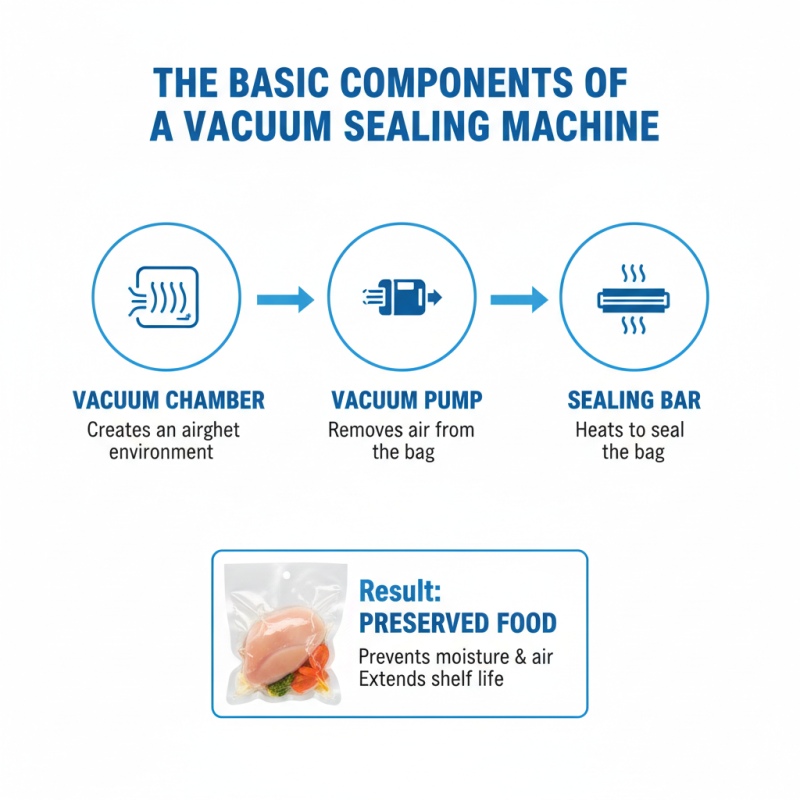
A vacuum sealing machine is a clever device that helps preserve food by removing air from bags. The basic components of these machines play a crucial role in their function. At its core, the machine features a vacuum chamber that creates an airtight seal. This prevents moisture and air from reaching the food, extending its shelf life.
The sealing mechanism usually consists of a heating element. This element melts the bag's edges together after the air has been removed. Additionally, a vacuum pump is essential. It creates the necessary suction to extract air. Some machines also come with a control panel, allowing users to choose various settings. These controls can affect the vacuum strength and sealing time.
One might wonder how effective these machines truly are. Not all models work equally well; some might leave small pockets of air. Quality can vary significantly, leading to imperfect seals. Maintaining the machine also requires attention; neglect can lead to less efficient operation over time. Each component functions in tandem, but if one part malfunctions, the whole process can fail. Understanding these nuances helps improve the vacuum sealing experience.
How Vacuum Sealing Works: The Process Explained
Vacuum sealing machines play a crucial role in food preservation. They work by removing air from a bag containing food items before sealing it tightly. This process reduces the amount of oxygen around the food. As a result, it slows down spoilage and extends shelf life. The design can seem intricate, but understanding its workings isn’t daunting.
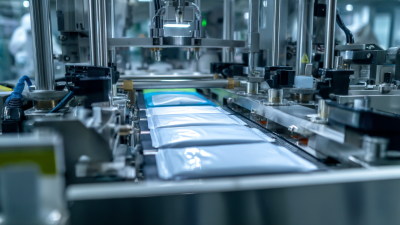
During the vacuum sealing process, a vacuum pump is activated. It creates a vacuum environment inside the sealing chamber. Users place the food in a specially designed bag. After the air is removed, the machine seals the bag with heat. This not only keeps the food fresh but also protects it from freezer burn. Consistent use of a vacuum machine can lead to noticeable savings. Spoiled food costs money and resources.
However, potential pitfalls exist. Improper sealing can lead to air pockets. These pockets can cause mold growth or freezer burn. It is essential to ensure bags are suitable for vacuum sealing. Not all bags perform equally. Being aware of these limitations allows users to make informed choices. Consider experimenting and refining your methods. This can lead to better food storage practices and improved results.
Benefits of Using Vacuum Sealing Machines
Vacuum sealing machines are gaining traction in both home kitchens and commercial settings. These devices remove air from bags or containers, creating a tight seal. This process significantly extends the shelf life of food, preserves flavor, and minimizes waste.
Studies indicate that vacuum sealing can keep food fresh for 3 to 5 times longer than traditional storage methods. According to the U.S. Department of Agriculture, about 30-40% of food in the United States is wasted each year. Vacuum sealing can help tackle this issue, reducing spoilage significantly.
For instance, meat stored in vacuum-sealed bags can last 1-3 years in the freezer compared to 4-12 months in conventional freezer bags.
Moreover, vacuum sealing is beneficial for meal prep. It allows for portion control, enabling consumers to prepare meals ahead of time. The Precision Foodservice reported a 30% increase in efficiency when using vacuum sealing in kitchens.
However, it is important to be mindful of improper sealing practices that may lead to spoilage. Not all foods seal uniformly, and some require specific methods for optimal results. This complexity does warrant careful consideration—users must educate themselves to maximize the advantages of vacuum sealing.
Common Applications and Uses of Vacuum Sealing Machines
Vacuum sealing machines are versatile tools widely used in various fields. The food industry benefits greatly from them. They extend the shelf life of perishable items by removing air from bags. This process slows down spoilage and prevents freezer burn. Many restaurateurs utilize vacuum sealing to prepare meals in advance. It preserves flavors and textures, making food appealing.
In addition to food storage, these machines find applications in packaging non-food items. They are often used to pack delicate products like electronics or textiles. The vacuum seal keeps these items safe from moisture and dust. It is a reliable method that ensures products remain in optimal condition during shipping and storage. However, users must ensure proper sealing to avoid potential damage.
Some people face challenges with vacuum sealing. Bags may wrinkle during sealing, leading to ineffective closures. Additionally, improper vacuuming can trap liquids, creating a mess. Learning from these issues is crucial. Experimenting with different settings and techniques can yield better results. Understanding your machine fully allows for accurate and reliable sealing, maximizing efficiency.