Why Choose a Bubble Tea Sealing Machine?
A busy bubble tea shop has little room for avoidable delays. Staff pour tea, add pearls, position film, and serve customers within minutes. A Bubble Tea Sealing Machine can make the final step faster and more consistent. It presses sealing film evenly around the cup rim. This helps reduce leaks, loose lids, and sticky counters during rush periods.
Beverage-equipment consultant James Lin describes the principle clearly: “A reliable seal protects the drink, the customer experience, and the operator’s time.” His observation reflects a practical truth. Speed matters, but control matters more. A machine should match common cup sizes, maintain stable sealing temperatures, and support quick film changes. Operators should also inspect the heating plate and clean food-contact surfaces regularly. Small details become expensive problems.
Not every shop needs the fastest model. That deserves careful thought. A compact manual machine may suit a small kiosk with moderate orders. A semi-automatic unit may help a busy store serving hundreds of cups daily. In real operation, staff still need training. Incorrect cup placement can produce wrinkles, weak seals, or wasted film. I have seen equipment advertised as effortless, yet daily cleaning was overlooked. That is a weakness, not a feature.
The right Bubble Tea Sealing Machine should improve workflow without creating new complications. Owners should compare sealing speed, cup compatibility, maintenance access, safety features, and after-sales support. A clean seal looks professional. More importantly, it helps the drink arrive intact. That practical result is often worth more than impressive specifications.
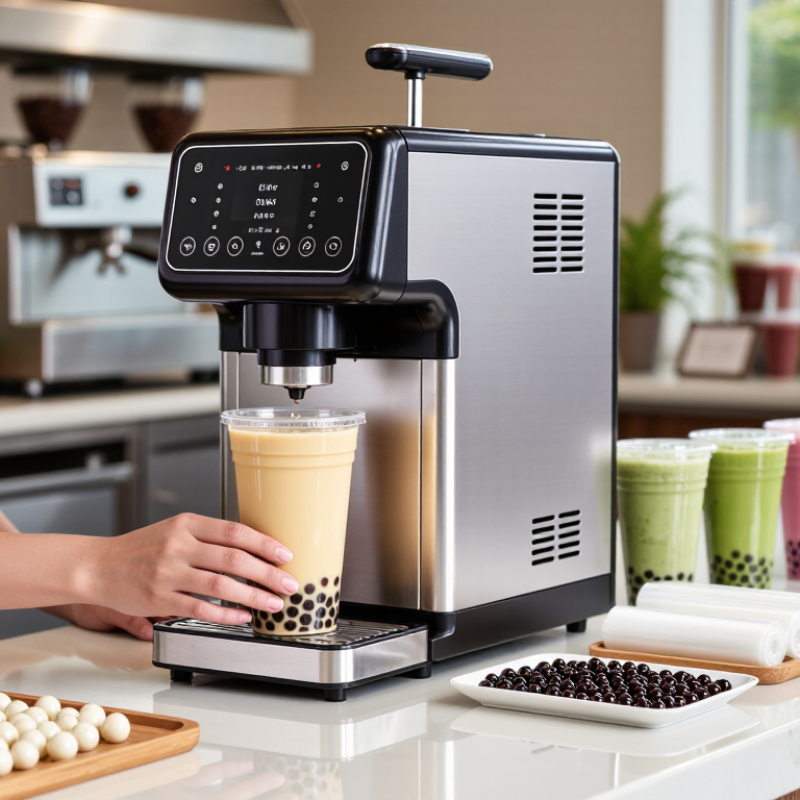
What Is a Bubble Tea Sealing Machine?
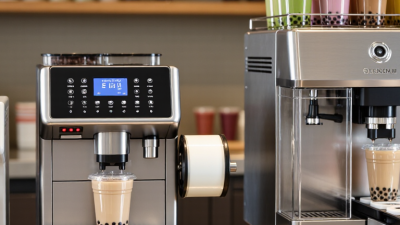
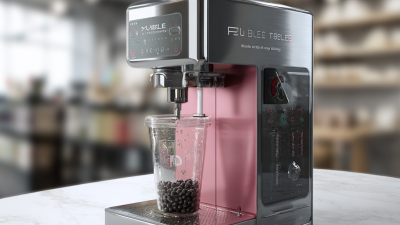
A bubble tea sealing machine is a countertop device that closes prepared drinks with plastic sealing film. It creates a tight cover around the cup’s rim. Most models use controlled heat and pressure to bond the film securely. The operator places a filled cup into the holder, aligns it, and activates the sealing cycle. The machine then cuts and seals the film in seconds. No complicated ritual.
In a busy drink shop, this process keeps the sealing method more consistent than hand-applied lids. A properly sealed cup helps prevent leaks during pickup, delivery, or transport. It also leaves a smooth opening for a wide straw. Good results depend on several details, including cup size, film quality, rim cleanliness, temperature, and pressure. Even a small drop of tea on the rim can weaken the seal.
The machine does not remove every practical problem. Operators must clean the sealing area and check the film regularly. A cup placed slightly off-center may seal unevenly. Excessive heat can distort the film or affect the cup edge. From daily operation, staff often learn that speed should not replace inspection. A quick visual check still matters. The process appears simple, but consistency requires training, maintenance, and occasional adjustment.
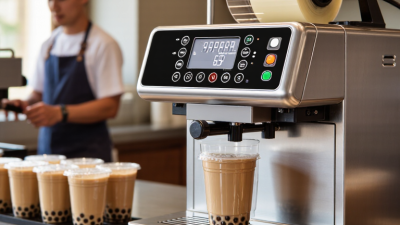
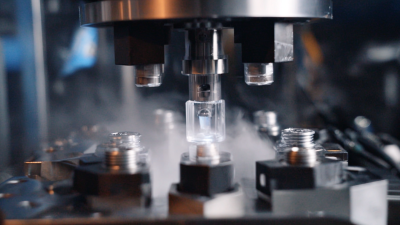
A bubble tea sealing machine closes a filled cup with heated plastic film. The operator places the cup on the support platform. A sensor checks its position before sealing begins. Then, a motor lowers the sealing head with controlled pressure. A heated ring softens the film around the rim. Pressure holds the film in place as it cools. Finally, a cutting edge trims the excess film neatly. The result is a tight, spill-resistant seal for takeaway service.
The machine’s performance depends on temperature, pressure, and sealing time. These settings must match the cup material and film thickness. Too much heat can deform the rim. Too little heat may create weak edges. In busy drink shops, consistent sealing reduces leaks and speeds up order handling. A common mistake is trusting factory settings without testing them. Conditions change with room temperature, cup size, and film storage. The process is simple, but not perfectly forgiving.
Why Choose a Bubble Tea Sealing Machine?
A sealing machine can improve speed, consistency, and everyday drink handling. Grand View Research estimated the global bubble tea market at about USD 2.75 billion in 2022. It also projected an 8.9% compound annual growth rate from 2023 to 2030. For busy shops, this growth creates pressure to serve more orders without making each drink feel rushed.
The benefit is practical. A heated sealing head closes the film evenly around the cup rim. This helps reduce leaks during delivery and prevents toppings from spilling in a customer’s bag. Staff can seal cups with a repeatable motion, while managers can standardize portion presentation across shifts. That matters during a lunch rush. Customers notice loose film, uneven seals, and sticky counters. They remember those details.
It can also support cleaner workflows. A sealed cup limits contact between the drink opening and outside surfaces before service. However, the machine is not magic. Operators still need to clean contact areas, check temperature settings, and replace worn sealing film. A poorly adjusted machine may wrinkle film or waste cups. This is where real operating experience matters. The best choice depends on cup sizes, daily order volume, sealing speed, and maintenance access. A small shop may gain reliability without needing the fastest model. The numbers look attractive, but actual savings should be measured after several weeks of use.
| Benefit Area | Typical Manual Process | Sealing Machine Process | Practical Business Impact | Operational Notes |
|---|---|---|---|---|
| Serving Speed | A lid must be positioned and pressed onto each cup individually. | The film is heat-sealed around the cup rim in approximately 1–3 seconds, depending on the equipment and cup material. | Shorter sealing time can improve queue flow during peak periods. | Actual throughput depends on cup loading, drink preparation, staff coordination, and machine cycle time. |
| Leak Resistance | A loose lid or unevenly filled cup may leak during carrying or delivery. | A continuous heat-sealed film creates a closed barrier around the cup opening. | Reduced leakage can improve customer satisfaction and lower spill-related replacements. | Seal quality requires the correct temperature, pressure, sealing time, and compatible film. |
| Product Protection | The drink opening remains accessible beneath a removable lid. | The sealed film helps protect the beverage from accidental opening, dust, and contact during transport. | More secure packaging is useful for takeaway and delivery orders. | Sealing does not replace safe food handling, temperature control, or hygienic preparation. |
| Portion Consistency | Manual closing may vary between employees, especially during busy service periods. | A fixed sealing cycle provides more consistent pressure and contact time. | Standardized sealing supports more consistent presentation across orders. | Drink volume and topping quantity still need to be controlled separately. |
| Labor Efficiency | An employee spends additional time fitting and checking each lid. | The sealing step can be standardized and assigned to a single workstation. | Staff can spend more time on drink preparation, order assembly, and customer service. | Labor savings vary with order volume, workflow design, and the level of automation. |
| Packaging Material | Each cup generally requires a separate rigid lid. | A roll of sealing film is indexed across multiple cups and cut or separated after sealing. | Film-based packaging may reduce storage volume compared with bulky lids. | Material consumption depends on cup diameter, film width, trim waste, and roll design. |
| Customer Convenience | The lid can come off during movement or may require extra care when carried. | The sealed cup is easier to carry before the film is opened with a straw or peeled back. | A secure package supports takeaway, delivery, and multi-cup orders. | Customers should receive clear instructions for opening the sealed film safely. |
| Brand Presentation | The package has limited printable space unless a separate label is added. | Printed sealing film can display product information, promotions, or visual designs. | The cup can provide an additional communication surface at the point of sale. | Printed materials should comply with applicable food-contact and labeling requirements. |
| Best-Fit Business Type | Suitable for low-volume operations where equipment investment is not justified. | More suitable for stores with regular takeaway demand, delivery orders, or peak-time queues. | The investment becomes easier to evaluate when time savings, reduced spills, and packaging costs are measured together. | Before purchase, compare cup compatibility, power requirements, film availability, cleaning needs, and maintenance support. |
Note: The time ranges and operational comparisons are typical planning estimates rather than guaranteed results. Actual performance varies according to machine design, cup size, sealing film, staff workflow, and order volume.
A reliable sealing machine should match your cup sizes, daily volume, and workspace. Adjustable sealing temperature matters because films and cup materials do not always react the same way. Too much heat can warp a cup rim. Too little heat may cause leaks during delivery.
Check the machine’s pressure control and sealing time settings. These features help create consistent seals across hundreds of cups. A clear temperature display also makes staff training easier. Look for food-contact-safe materials and documented electrical safety information. The machine should also include an accessible emergency stop or power switch.
Speed matters, but it should not replace accuracy. A useful model seals quickly while keeping cups aligned under the film. Sensors can reduce wasted film and prevent incomplete seals. Easy cleaning is essential, especially around the film holder and sealing plate. Small gaps can collect syrup residue.
Listen to the machine during operation. Excessive noise may signal poor construction or future maintenance problems. Measure the counter space before purchasing. I once focused too much on output speed and overlooked cleaning access. That decision created avoidable delays. A practical choice leaves room for staff movement, film replacement, and routine inspection. Test several cup types before committing, because real shop conditions can expose weaknesses that product descriptions miss.
Why Choose a Bubble Tea Sealing Machine?
Selecting the right bubble tea sealing machine starts with your actual service routine. A busy kiosk may need fast sealing, while a small café may value flexibility more. Measure peak orders, not average sales. Otherwise, the machine may struggle during lunch rushes. Check compatible cup sizes, film materials, sealing temperatures, and adjustment methods. A clear temperature display helps staff repeat reliable results. Test several cups before purchasing. Small differences in rim thickness can cause leaks.
The workspace also matters. Measure the counter, rear clearance, and nearby power access. Choose a machine that staff can operate without stretching or blocking customers. Cleaning should be simple, especially around the sealing plate and film path. Ask about spare parts, user training, and service response times. These details affect long-term reliability more than attractive speed claims. A faster model is not always better. It may create waste if new employees need extra time to learn it.
Tips: Record ten minutes of peak orders. Compare sealing speed, noise, film waste, and failure rate. Inspect every cup after sealing. A slightly loose seal can ruin a delivery. Consider future menu changes, too. A machine suited to one cup size may become restrictive later. My first choice would be practical, not impressive. That judgment can change after real testing.
Use peak-hour demand to compare the sealing capacity your business needs. The figures below are calculated from three daily-volume scenarios over five service hours per day.
How to use this chart: Estimate your daily drink volume, divide it by actual service hours, and select a machine whose rated throughput is comfortably above the required average. Also verify cup-rim diameter, compatible film, sealing temperature, power requirements, and operator workflow.