2026 Top Bubble Tea Sealing Machine How to Choose?
Bubble tea has moved from a niche beverage to a highly visible foodservice category. Market estimates differ, but they point in the same direction. IMARC Group valued the global bubble tea market at about USD 2.75 billion in 2024 and projects continued growth through 2033. Grand View Research also reports strong expansion, supported by specialty drinks, takeaway culture, and younger consumers. More cups mean more sealing decisions.
A reliable Bubble Tea Sealing Machine must match real shop conditions, not only attractive catalog specifications. Operators should compare sealing speed, film compatibility, cup diameter, temperature control, sealing pressure, and cleaning access. PMMI’s packaging industry research repeatedly emphasizes automation, uptime, flexible formats, and operator safety. These principles matter behind a busy counter. A machine that seals 600 cups per hour may struggle when staff change cup sizes frequently. That number alone proves little.
Look closely.
The best choice also depends on drink viscosity, topping volume, ambient humidity, and daily order peaks. A firm seal reduces leaks during delivery, but excessive heat can deform plastic cups or weaken printed film. Energy use and replacement-part availability deserve equal attention. This guide examines leading machine types for 2026, using practical service experience, manufacturer specifications, and recognized market research. Some published performance claims remain difficult to verify independently. That is worth admitting. Buyers should request sample tests, inspect sealed cups after transport, and calculate total ownership cost before purchase. The cheapest machine may become expensive through downtime, film waste, and inconsistent seals.
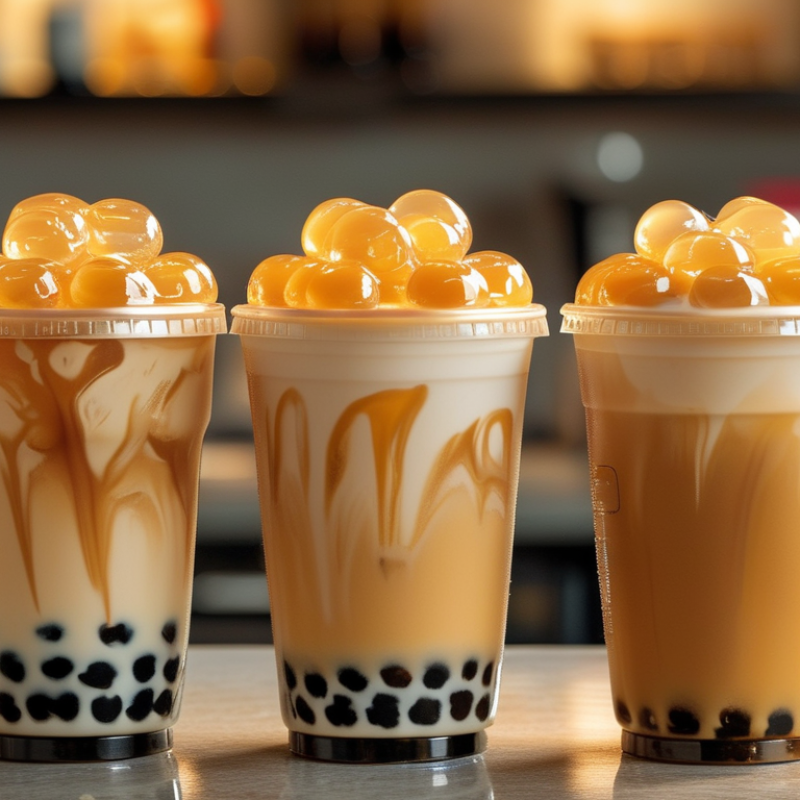
What Is a Bubble Tea Sealing Machine and How Does It Work?
A bubble tea sealing machine closes a filled cup with heated film, creating a clean, leak-resistant lid. It is not a mixer or drink dispenser. Its main parts include a film holder, heating plate, cup mold, temperature controller, and sealing sensor. The operator places a cup into the mold and pulls the film across its opening.
The machine then aligns the film and presses it against the rim. Heat softens the film’s sealing layer, while pressure bonds it to the cup. After a short cooling period, the cup can be removed. Many models use sensors to check cup position before sealing. This reduces crooked lids and wasted material. That short cycle matters.
In 2026, choosing one requires more than checking sealing speed. Measure your common cup sizes first. A mold that fits poorly may cause wrinkles, leaks, or uneven pressure. Adjustable temperature control is useful because different films need different heat levels. Easy cleaning also matters, especially around spilled milk, syrup, and tapioca starch. I would not call any machine completely mistake-proof. Film tension, cup moisture, and operator timing still affect results. A practical test should include cold drinks, full cups, and repeated sealing cycles. Listen for unusual motor noise. Check whether the seal opens cleanly without tearing the cup. Clear operating instructions and accessible replacement parts can also support reliable daily use.
How to Compare Sealing Speed, Cup Size, and Material Compatibility
2026 Top Bubble Tea Sealing Machine: How to Choose?
Sealing speed matters during lunch peaks, but maximum speed can hide practical limits. Grand View Research’s 2024 bubble tea market analysis reports continued growth above 8% annually. That growth increases pressure on small beverage counters. Compare completed cups per minute, not the manufacturer’s empty-machine rating. A reliable test should include liquid, ice, pearls, and different operators. A machine sealing 600 cups hourly may slow sharply with thicker film or misaligned cups. That difference matters.
Cup size and material compatibility deserve equal attention. Measure your actual cup rim, including its diameter tolerance and flange shape. Common cup sizes range from 350 to 700 millilitres, but capacity alone does not ensure a proper seal. Test PET, PP, and paper-coated cups separately. PMMI packaging research highlights the importance of format flexibility and changeover efficiency in modern packaging operations. Ask how long a size change takes. Ten minutes repeated daily becomes real labor.
Tips: Request a timed demonstration with your cups and sealing film. Check temperature control, pressure consistency, sensor accuracy, and cleaning access. Keep a small log of rejected cups for one week. It may reveal that film waste, not speed, is your larger cost. I would also question dramatic speed claims. They often assume ideal conditions. A slower machine with stable seals can be the better operational choice. Perfect on paper, disappointing in service.
What Safety, Hygiene, and Energy Features Should You Check?
In 2026, choose a bubble tea sealing machine by inspecting safety and hygiene details, not only sealing speed. The U.S. FDA Food Code 2022 emphasizes smooth, nonabsorbent, and easily cleanable food-contact surfaces. Look for stainless steel areas, protected wiring, grounded plugs, overload protection, and an emergency stop. The sealing head should stay stable and shield operators from hot surfaces. Small gaps matter.
Hygiene becomes practical during a busy shift. Choose removable film guides and drip trays that can be cleaned without special tools. Avoid deep corners where syrup, milk, or tapioca residue can harden. The machine should support documented cleaning intervals and clear temperature controls. The World Health Organization reports that contaminated food causes about 600 million illnesses globally each year, so poor cleaning is not a minor design flaw. I would still verify sanitation claims with test records.
Energy use also deserves measurement. U.S. Department of Energy commercial food-service guidance indicates that efficient equipment may reduce energy consumption by 10–50%, depending on equipment type and operating conditions. For a sealing machine, check standby power, heating-cycle duration, insulation, and automatic sleep mode. Measure the idle load. A fast machine is not efficient if it reheats continuously between orders. Ask suppliers for measured wattage, electrical safety certificates, and service data. Some published figures look impressive, but real performance can change with cup size, room temperature, and operator habits.
2026 Top Bubble Tea Sealing Machine: How to Choose?
What safety, hygiene, and energy features should you check?
Safety checks — 6
Look for an emergency stop or lid interlock, overload protection, guarded heating parts, stable temperature control, heat insulation, and documented electrical compliance.
Hygiene checks — 6
Prioritize food-contact stainless steel, smooth cleanable surfaces, removable parts, a drip tray, lubricant-free contact areas, and clear cleaning instructions.
Energy checks — 5
Check heater insulation, adjustable sealing time and temperature, automatic sleep mode, standby power consumption, and energy measurement during testing.
The chart counts the measurable purchasing checks recommended for each decision area. Verify the actual values in the machine specification sheet and during a sample production test.
How to Select a Reliable Machine Within Your Budget in 2026
Choosing a reliable bubble tea sealing machine in 2026 starts with your daily workload, not a flashy specification sheet. A small kiosk may need 300 cups daily, while a busy shop may require over 1,000. Match the machine’s real output to your peak hours. A unit rated for 500 cups may struggle during a weekend rush.
Check sealing consistency with different cup sizes and film materials. The seal should look even, without wrinkles, leaks, or loose edges. Ask for a demonstration using cold drinks, warm tea, and cups filled near the rim. Temperature control matters. Excessive heat can deform plastic, while weak heat creates waste. I have found that testing only empty cups gives a misleading result.
Tips: Calculate the full cost, including film, electricity, cleaning, maintenance, and possible downtime. Choose simple controls that new staff can learn quickly. Confirm that replacement parts and technical support are available in your region. A lower purchase price is not always cheaper after six months. Leave space around the machine for cleaning and ventilation. Also, measure your counter before ordering; this small detail is often missed. Keep a few spare sealing rings, because minor wear can interrupt service at the worst moment. Reliability is practical, not impressive-looking.