How to Choose the Best Packaging Equipment for Your Business?
Choosing the right Packaging Equipment is crucial for any business. According to a report by Smithers Pira, the global packaging market is projected to reach $1 trillion by 2024. This growth emphasizes the importance of selecting equipment that meets specific operational needs.
"Investing in the right packaging machinery is paramount for efficiency," says Dr. Emily Chen, an expert in packaging technology. Businesses often overlook the impact of precise equipment on productivity. The right choices can enhance workflow, reduce costs, and improve product quality.
An effective packaging strategy depends on various factors, like production volume and product type. Many companies struggle to align their needs with available solutions. Customization and scalability are vital components to consider. Undoubtedly, the wrong investment can lead to inefficiencies and wasted resources. Understanding these aspects is key to making informed decisions in the packaging equipment landscape.
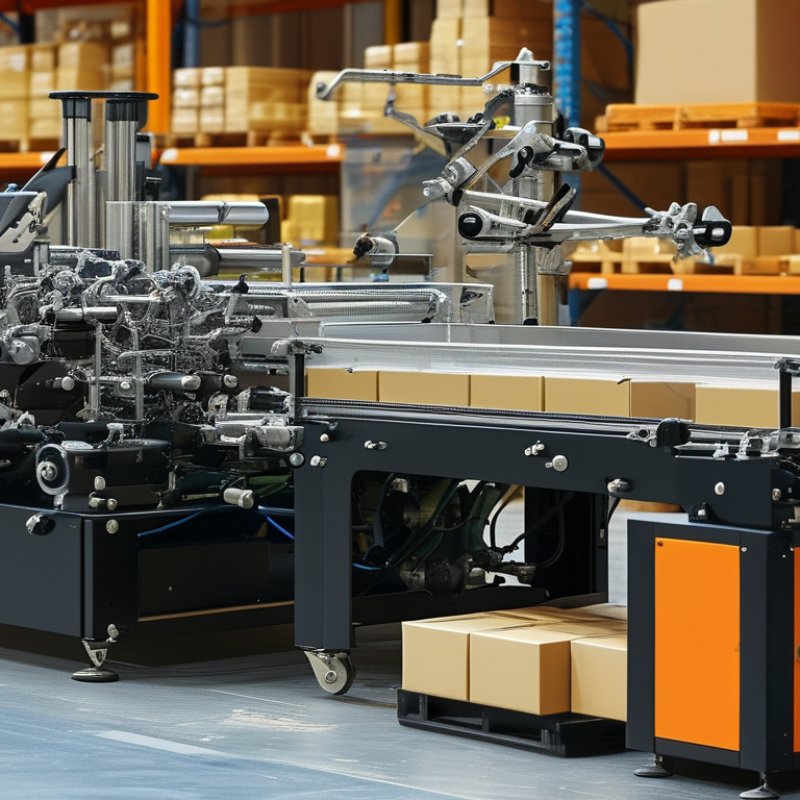
Understanding Your Packaging Needs and Specifications
Choosing the right packaging equipment can significantly impact your business. Understanding your packaging needs and specifications is essential. Start by analyzing the products you need to package. Consider their size, shape, and fragility. Each product may require different materials and techniques.
Tips: Identify key products. This helps in selecting versatile equipment. Evaluate the production volume. High volume often requires automation.
You might face challenges when matching equipment to specifications. For instance, if the machinery is too large, it can waste space. A system that is too small may slow down operations. It’s important to find balance in efficiency and capability.
Tips: Research various equipment types. Read case studies or testimonials. They provide insight into the equipment's real-world performance. Regularly review your packaging needs as your business evolves. Adaptability is key for long-term success.
Evaluating Available Packaging Equipment Options
When evaluating available packaging equipment options, it’s crucial to understand your specific needs.
Consider the type of products you are packaging. Different products may require different types of
equipment. For instance, fragile items may need cushioned packaging, while bulk products might require
high-speed machines. Always assess the compatibility of the equipment with your product to avoid
complications.
Tip: Research industry standards for packaging. This can guide you in evaluating which equipment meets
necessary regulations. Don't overlook the importance of efficiency. An efficient machine can save you time
and costs in the long run. However, ensure that high throughput does not compromise quality.
It’s wise to ponder the adaptability of the equipment. Business needs can change over time. Choosing
equipment that can be easily upgraded can be beneficial. Think about how future demand will impact your
packaging needs. Sometimes, the most advanced option isn’t the best choice for your current operations.
Reflect on your budget as well. Investing in reliable equipment that offers longevity can be more valuable
than opting for cheaper, less durable options.
Comparing Costs and Budget Considerations
Choosing packaging equipment requires careful consideration of costs and budget. Many businesses overlook hidden expenses when making their selections. Initial purchase prices may seem attractive, but ongoing costs can add up quickly. This includes maintenance, training, and repairs.
Budgeting for packaging equipment also means evaluating your production scale. A small startup might manage with an entry-level machine. Established companies should invest in durable, high-capacity models. Additionally, consider the potential need for upgrades as your business grows. It’s crucial to analyze long-term value over short-term savings.
Lastly, conducting thorough research is vital. Speak with peers in the industry or consult experts. They can offer insights that online resources may not provide. Evaluate multiple quotes and check references. This process, while time-consuming, leads to informed decisions that positively impact your bottom line.
Cost Comparison of Different Packaging Equipment
This bar chart illustrates the cost comparison of various types of packaging equipment. It highlights the investment required for different machines, providing insight to help businesses make informed decisions based on their budget considerations.
Assessing Equipment Compatibility and Integration
When selecting packaging equipment, compatibility and integration are crucial factors. Businesses must ensure new machinery fits seamlessly into existing workflows. A study by PMMI found that 57% of packaging companies struggle with integrating new systems. This highlights the importance of assessing current equipment before making decisions. Ignoring compatibility can lead to inefficiencies, increased costs, and delays.
Additionally, training and support must be considered. More than 40% of operations report issues due to inadequate training on new equipment. Understanding the learning curve is essential. It might take time for staff to adapt to new technology. Scheduling regular training sessions can help alleviate these potential pitfalls.
Moreover, the flexibility of packaging machines is vital. The demand for customization in packaging is on the rise, with 35% of consumers preferring personalized packaging options. Equipment that cannot adapt may hinder a company's competitiveness. Evaluating the long-term goals and scalability of the machinery ensures businesses invest wisely. The right choice today can influence future growth and sustainability.
Analyzing Supplier Reputation and Support Services
When selecting packaging equipment, supplier reputation matters significantly. A reliable supplier offers more than just machinery. Their experience in the industry indicates they can understand your specific needs. Look for companies with a solid track record of satisfied customers. Check online reviews and testimonials. Speak to other businesses who have worked with them. This feedback is invaluable.
Support services are essential too. Packaging equipment can sometimes fail or require adjustments. A good supplier should provide timely support. They should have knowledgeable staff ready to assist. Look for companies that offer training for their equipment. This ensures your team can operate the machinery efficiently. Ask about their response time for support requests. Delays can affect production, so this aspect is critical.
Reflect on your choices. Sometimes, you might feel you rushed into selecting a supplier. It's important to take your time. Ensure the supplier aligns with your long-term business goals. A trusted partner can make all the difference in optimizing your packaging process. A little research today can lead to significant benefits tomorrow.
How to Choose the Best Packaging Equipment for Your Business? - Analyzing Supplier Reputation and Support Services
| Supplier |
Reputation Rating (1-5) |
Support Services Offered |
Response Time (Hours) |
Warranty Period (Years) |
| Supplier A |
4.5 |
Installation, Training, Customer Support |
2 |
3 |
| Supplier B |
4.0 |
Maintenance, Customer Support |
4 |
2 |
| Supplier C |
3.8 |
Technical Support, Spare Parts |
3 |
2 |
| Supplier D |
4.2 |
24/7 Support, Installation |
1 |
5 |