Leave Your Message
Choosing the best Boba Tea Sealing Machine in China depends on more than its advertised speed. A busy milk tea shop needs clean seals, steady output, and simple daily operation. Small details matter. The rim must stay dry, the film must feed evenly, and each cup should open without a frustrating tear. A machine that works well with one cup size may struggle with another. That difference can become obvious during a lunch rush, when staff have little time to adjust settings or troubleshoot jams.
This guide explains how buyers can compare machines by sealing consistency, compatible cup diameters, film loading, temperature control, footprint, and after-sales support. It also considers whether a manual, semi-automatic, or automatic model suits the shop’s actual order volume. Ask suppliers for a live demonstration using your cups and sealing film, then inspect several seals in a row. One perfect sample is not enough. Request clear details about spare parts, cleaning, warranty terms, and service response times before placing an order. Product-page claims should be checked against practical tests.
The strongest choice is not always the fastest or cheapest. It should match your menu, staff skills, counter space, and expected peak demand. This comparison offers a grounded starting point, while recognizing that performance can vary with setup and maintenance. That deserves a closer look.
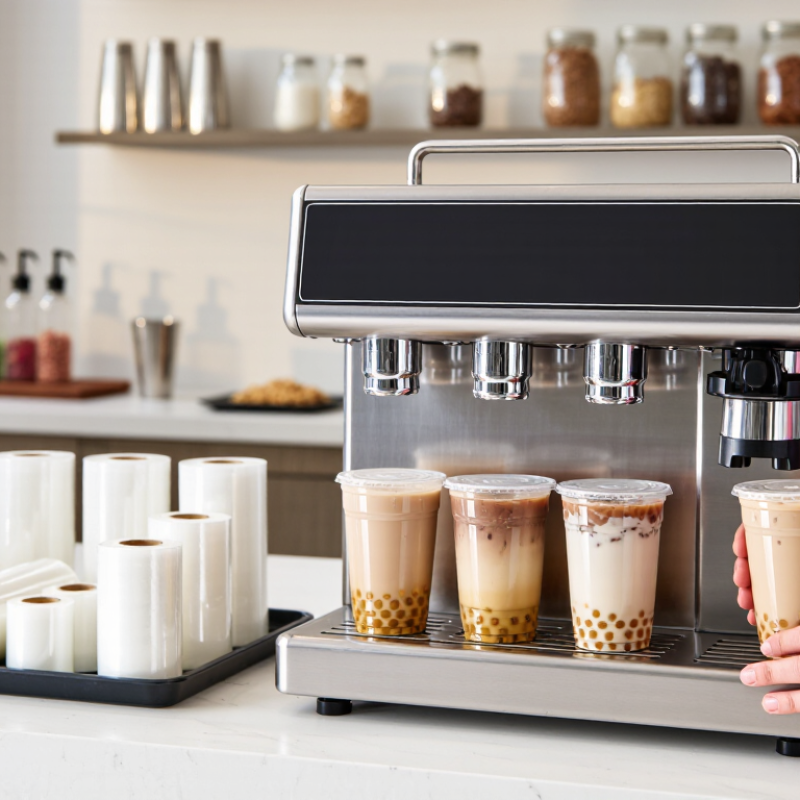
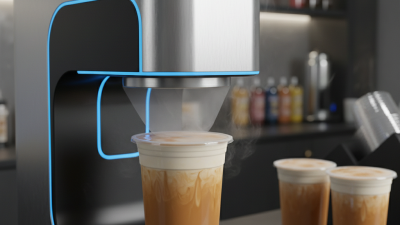
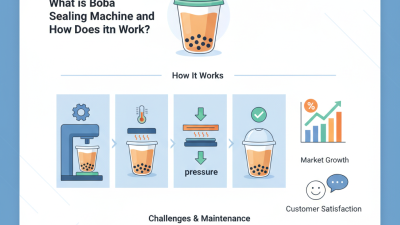
A boba tea sealing machine closes a filled cup with heat-sealable film, helping prevent spills during serving and transport. In a typical automatic model, an operator places a cup beneath the sealing head. The machine aligns film over the rim, then applies controlled heat and pressure for a set time. The seal cools as the cup is removed. Some machines use film rolls; others use pre-cut lids. Simple, but not foolproof.
Seal quality depends on clean, even cup rims, correct film, and settings suited to the cup material. If the temperature is too low, the edge may lift; too much heat can wrinkle or weaken the film. Operators should test several cups after changing film or settings, and check that seals peel consistently. Grand View Research’s 2024 bubble tea market report estimated the global market at USD 2.83 billion in 2023. That figure signals a sizable market, not a guarantee of sales for any shop. When comparing machines in China, check supported cup diameters, sealing speed, adjustment range, and availability of local technical support. A fast cycle is useful, but only if the seal holds.
| Machine Type | How It Works | Typical Best Fit | Advantages | Things to Consider |
|---|---|---|---|---|
| Manual cup sealer | An operator places a filled cup in the holder and operates the sealing lever. The machine applies heat and pressure to bond compatible sealing film to the cup rim, then cuts the film. | Small shops, low-volume service, or locations where a simple, operator-controlled workflow is suitable. | Simple operation and typically fewer automated parts. | Requires hands-on operation for each cup. Sealing consistency depends on correct settings, compatible materials, and operator technique. |
| Semi-automatic cup sealer | The operator positions a cup, while the machine performs the film-feed, heat-sealing, and cutting cycle. The exact sequence depends on the machine design. | Shops with regular drink orders that want to reduce some repetitive sealing work without a fully automated line. | Combines operator control with an automated sealing cycle. | Usually still requires an operator to load or position cups. Confirm the machine’s cup-holder and film-feed arrangement. |
| Automatic cup sealer | Depending on its configuration, the machine can automatically index or feed cups and carry out film positioning, heat sealing, and cutting. Some models are designed to connect with a larger production setup. | Higher-throughput operations with suitable space, staffing, and production requirements. | Can reduce manual handling during repeated sealing tasks. | Automation level varies by model. Check installation needs, operating procedures, maintenance requirements, and whether the machine matches the intended workflow. |
| Core sealing process | A cup is positioned beneath compatible sealing film. A heated sealing head presses the film against the cup rim for a set time and pressure; the film is then cut or separated. | Most commonly used to close takeaway drink cups, including cups used for milk tea and other cold beverages. | Creates a closed top that helps reduce spills during takeaway handling when the cup, film, and settings are compatible. | Heat, time, pressure, cup material, rim shape, and film must work together. Follow the equipment and packaging suppliers’ instructions. |
| Choosing the best machine | Match the machine’s operating method and capacity to the shop’s actual cup-sealing workflow rather than relying on the “automatic” or “high-speed” label alone. | Any buyer comparing machines for a tea shop, café, or beverage production operation in China. | A clear comparison can help avoid paying for unneeded features or choosing equipment that does not fit the cups in use. | Check cup diameter and material, compatible film, sealing consistency, operator steps, cleaning and maintenance access, electrical requirements, and local service availability. |
Practical selection: The best option depends on order volume, staffing, available space, and packaging compatibility. Before purchasing, test the intended cups and sealing film on the machine and confirm the required electrical and operating specifications.