Leave Your Message

Why Choose a Boba Tea Sealing Machine for Your Business?

Why Choose a Boba Tea Sealing Machine for Your Business?

Bubble tea has moved from a niche beverage to a global retail category. Grand View Research valued the global bubble tea market at approximately USD 2.75 billion in 2022. Its report also projects an 8.9% compound annual growth rate through 2030. IMARC Group identifies expanding café culture and product customization as important market drivers. These figures suggest strong demand, but growth alone does not guarantee profit.

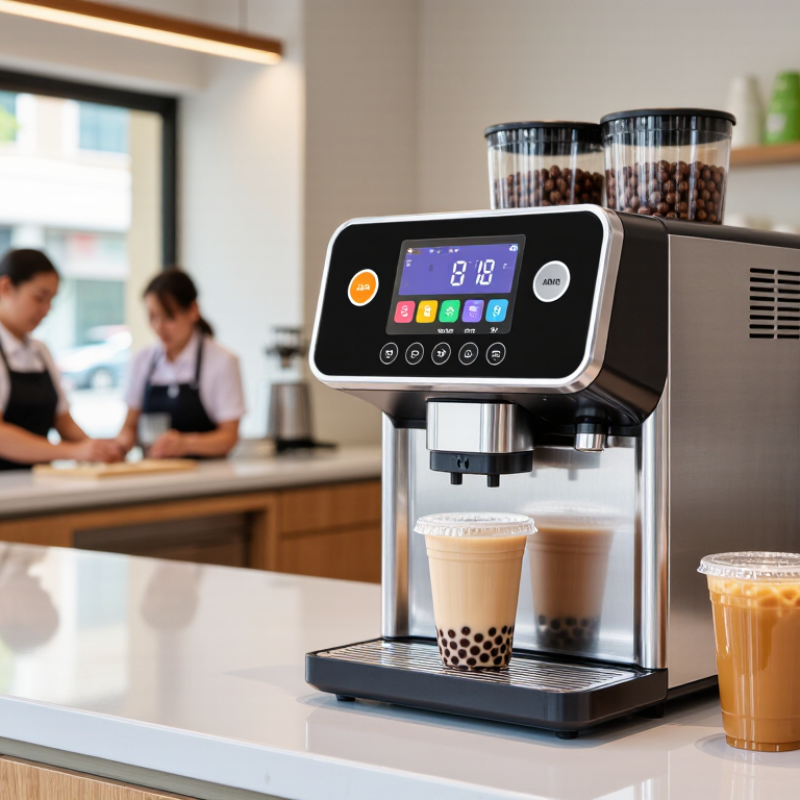
A Boba Tea Sealing Machine can improve speed, hygiene, and portion consistency during busy service. It seals each cup with controlled heat and pressure. The film sits tightly across the rim. Tapioca pearls stay inside during delivery. Staff members also spend less time manually sealing drinks. Jason Hu, a beverage-packaging equipment specialist, explains, “A sealing machine is not only a speed tool; it protects consistency at the counter.” That point matters when customers expect the same drink every visit.

However, the machine is not magic. Operators must match sealing temperature, film type, and cup material carefully. A poor setting can wrinkle the film or weaken the seal. One wasted cup seems minor. During a weekend rush, it becomes a visible cost. Buyers should compare output capacity, cup compatibility, cleaning access, warranty support, and energy use. Reports show opportunity, not certainty. Your shop’s queue length, labor costs, and delivery volume should guide the final decision. A practical trial may reveal more than a glossy specification sheet.
Why Choose a Boba Tea Sealing Machine for Your Business?

What Is a Boba Tea Sealing Machine?

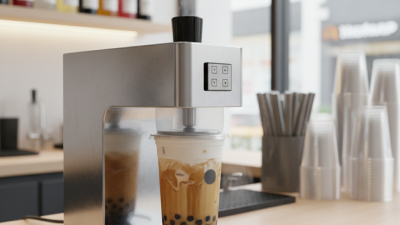
A boba tea sealing machine is a countertop device that closes a plastic cup with heated film. It uses controlled heat and pressure to bond the film around the cup’s rim. The result is a tight membrane that helps prevent spills during pickup or delivery. Customers usually pierce it with a wide straw. That small action is part of the boba tea experience.

A typical machine includes a cup holder, temperature controls, sealing pressure, and a timed heating cycle. Staff place a filled cup inside, position the film, and activate the seal. The machine then presses the film against the rim for several seconds. Clean, dry rims matter. Syrup, foam, or ice near the edge can create weak spots. Cup diameter also matters, because an imperfect fit may cause wrinkles or leaks.

In a busy shop, consistency is more valuable than speed alone. Operators should test the seal when changing cup types, film materials, or drink temperatures. Food-contact materials should be suitable for the intended use, and cleaning instructions should be followed carefully. A neglected heating plate can collect residue. That is easy to overlook. It is also worth training new staff with water-filled cups before serving customers. Even reliable equipment can produce poor results when settings are guessed instead of checked. A practical sealing machine should make the process simpler, not hide problems behind automation.
How Does a Boba Tea Sealing Machine Work?

Why Choose a Boba Tea Sealing Machine for Your Business?

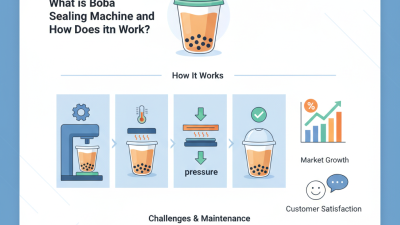
A boba tea sealing machine closes a filled cup with heated film. The operator places the cup on a support ring. A sensor checks its position. The machine then lowers a heated sealing head, presses the film, and cuts around the rim. Temperature, pressure, and dwell time control the seal. The result is a tight lid that supports takeaway service and reduces spills during delivery.

Modern machines often seal several cups per minute, depending on cup size and operator skill. Grand View Research valued the global bubble tea market at about USD 2.75 billion in 2022. It also projected an 8.9% compound annual growth rate from 2023 to 2030. Fortune Business Insights reported a similar growth direction, although market estimates differ by research method. That demand makes consistent cup sealing more important for busy stores.

Film quality matters. So does calibration. A high temperature can wrinkle film or damage the cup rim. A low temperature may create weak edges. The first trial may fail. That is normal, but staff should record settings and inspect sample seals before service. Clean contact surfaces, correct cup dimensions, and regular checks improve hygiene and reliability. The machine does not replace judgment. It makes repeatable work easier.

What Benefits Does It Offer Boba Tea Businesses?

Why Choose a Boba Tea Sealing Machine for Your Business?

A boba tea sealing machine offers practical benefits for busy beverage shops. It seals cups quickly and creates a firm film barrier. This helps prevent spills during takeaway orders and delivery handoffs. Customers can shake their drinks without worrying about loose lids. The process also gives each cup a cleaner, more consistent appearance.

Speed matters during lunch rushes. A reliable machine can reduce repetitive hand-sealing work and keep orders moving. It may also improve portion control by reducing wasted sealing film. Staff can focus more on mixing drinks, checking toppings, and serving customers. However, the machine is not magic. Incorrect cup placement can cause wrinkles, leaks, or damaged film. Regular cleaning and basic staff training remain essential.

Tips: Test the seal before opening each day. Keep the sealing surface dry and clear of tea residue. Choose compatible cup sizes and film materials. Record common faults for weekly review. Small checks prevent bigger delays. Some shops may also need time to adjust their workflow, especially when staff are used to manual lids. That adjustment is easy to underestimate.

Why Choose a Boba Tea Sealing Machine for Your Business?

A commercial sealing machine can substantially increase service capacity. This planning benchmark compares approximately 90 manually sealed cups per hour with 300 machine-sealed cups per hour. At eight operating hours, that represents about 720 cups manually or 2,400 cups with a sealing machine, helping reduce queues, improve workflow consistency, and lower labor pressure during busy periods.

Benchmark values are representative operating assumptions for business planning; actual throughput varies by staff experience, cup size, film type, and equipment configuration.

How to Choose the Right Sealing Machine

Why Choose a Boba Tea Sealing Machine for Your Business?

Choosing a boba tea sealing machine starts with your daily workflow, not its advertised speed. Measure peak orders, cup sizes, film types, and counter space. A machine sealing 20 cups per minute may still slow service during heat recovery. Watch one busy hour. Note queues, spills, and awkward hand movements. These details reveal your real requirements.

Choose a model with adjustable heat and pressure settings. Different cups and films need different sealing conditions. The seal should be tight, even, and easy to peel without tearing. Ask for a trial using your actual cups, not a sample cup. Check the controls, emergency stop, cleaning access, and replacement parts. Food-contact surfaces should use suitable materials, with clear documentation for local requirements. Noise matters too.

Capacity should match realistic demand, with a small buffer for rush periods. Oversizing wastes money and counter space. Undersizing frustrates staff. I would test film loading with wet hands. It sounds minor, but it quickly exposes poor design. One overlooked issue is training. A reliable machine can still produce weak seals when operators skip calibration. Record basic settings and inspect sealed cups each shift. The choice may not be perfect. Revisit it after two weeks of real use, then adjust the workflow based on evidence.

What Maintenance and Safety Practices Are Required?

Why Choose a Boba Tea Sealing Machine for Your Business?

A sealing machine can improve drink consistency, reduce spills, and speed up busy service. However, its benefits depend on disciplined maintenance and safe operation. In daily use, I have found that small cleaning delays create bigger problems later.

Unplug the machine before cleaning or inspecting it. Let the sealing plate cool completely. Wipe away syrup, tea residue, and adhesive film scraps after each shift. Use a food-safe cleaner on external surfaces. Never spray liquid directly near switches, vents, or electrical connections. A damp cloth is safer. Check the film path, cutting edge, and sealing plate every day. Uneven pressure can cause leaking cups and wasted ingredients. The machine should sit firmly on a dry, level counter.

Safety checks should become routine, not an emergency response. Inspect the power cord for cuts, loose plugs, or unusual heat. Test the emergency stop function when the equipment allows it. Keep hands away from moving parts during operation. Staff should receive practical training, including how to clear a jam without forcing the mechanism. Protective gloves may help during maintenance, but they cannot replace proper shutdown procedures.

Keep a simple cleaning and inspection log. It reveals repeated faults that memory misses. Temperature and pressure settings also deserve regular verification. I once assumed a weak seal came from poor cup quality; the real issue was residue under the plate. That mistake was avoidable. Do not ignore unusual sounds, smells, or slower sealing cycles. Stop the machine and arrange qualified service when internal repairs are needed.

Why Choose a Boba Tea Sealing Machine for Your Business? - What Maintenance and Safety Practices Are Required?

Business or Safety Dimension Why It Matters Recommended Practice Suggested Frequency Practical Checkpoint
Faster cup sealing Automated film feeding and heat sealing can reduce repetitive manual work during busy service periods. Select a machine with adjustable sealing time, temperature, and cup-position controls. Review settings at opening and whenever the cup or film specification changes. Run test cups before service and confirm that the film is evenly bonded around the rim.
Improved leak resistance A consistent seal helps prevent drink leakage during carrying, delivery, and storage. Use compatible cups and sealing film, keep the cup rim dry, and avoid overfilling. Check each production batch and whenever seal failures are reported. Inspect sample cups for wrinkles, gaps, loose edges, or liquid escaping after gentle inversion.
Consistent product presentation Uniform seals give cups a cleaner appearance and support consistent portion presentation. Center the cup correctly and keep the film roll aligned with the sealing path. Verify alignment at the start of each shift. Check that the seal is centered and that the film does not fold or drift sideways.
Food-contact hygiene Residue, moisture, and dust around the sealing area can affect sanitation and seal quality. Remove visible residue, clean food-contact surfaces with an appropriate method, and allow surfaces to dry. Clean after each shift and immediately after spills. The cup holder, sealing plate, guides, and surrounding work area should be visibly clean and dry.
Heat-sealing surface care Built-up film or drink residue may create uneven heating, weak seals, or burnt deposits. Switch off and allow the heated area to cool before cleaning; use a soft, non-abrasive cloth. Inspect daily and clean whenever residue is visible. Do not scrape the heating plate with sharp tools or apply liquid to energized components.
Electrical safety The machine uses electrical heating and moving parts, so damaged cords or moisture can create hazards. Keep the machine dry, use a suitable grounded outlet, and do not operate it with damaged wiring. Inspect before every shift and after relocation. Stop use if there is an exposed wire, unusual odor, sparking, overheating, or repeated tripping.
Burn and pinch-point prevention The sealing plate may become hot, while moving holders and mechanisms may pinch fingers. Keep hands clear during operation, use the intended controls, and wait for cooling before servicing. Train staff before independent operation and reinforce safe procedures regularly. Place a clear operating notice near the machine and restrict access to trained employees.
Film and cup compatibility Incorrect cup diameter, rim shape, or film type can cause poor sealing and equipment jams. Follow the machine’s specified cup sizes and use film designed for the selected cup material. Confirm before purchasing supplies and whenever suppliers or packaging formats change. Verify cup diameter, rim condition, film width, and sealing-temperature requirements.
Moving-part and guide maintenance Misaligned guides or worn moving parts can cause jams, uneven seals, and unnecessary downtime. Keep guides free of debris, check fasteners, and follow the equipment manual for lubrication requirements. Inspect weekly or according to the manufacturer’s maintenance schedule. Look for abnormal noise, resistance, loose parts, or inconsistent cup positioning.
Temperature and seal-quality control Too little heat may produce weak seals, while excessive heat can damage film or deform cups. Adjust settings gradually and record approved settings for each cup-and-film combination. Test at opening, after cleaning, and after any setting change. Use visual inspection and periodic leak testing rather than relying only on the display reading.
Recordkeeping and staff training Documented checks make recurring faults easier to identify and support consistent employee practices. Keep a simple log for cleaning, inspections, faults, repairs, and employee training. Complete cleaning records daily and maintenance records whenever work is performed. Include the date, staff initials, issue found, corrective action, and follow-up requirement.
Emergency response Quickly isolating faulty equipment helps reduce the risk of injury, electrical damage, or contamination. Stop the machine, disconnect power when safe, label it out of service, and report the fault to a qualified person. Apply whenever abnormal operation or a safety defect is observed. Never bypass guards, safety switches, or protective controls to keep production running.