Best Label Printing Machine for Your Business Needs?
In today's fast-paced business environment, choosing the right Label Printing Machine is crucial. Recent industry reports show that the label printing market is projected to grow by 4.5% annually, reflecting the rising demand for customized packaging. According to industry expert John Miller, "Investing in a quality label printing machine can significantly enhance productivity and brand visibility."
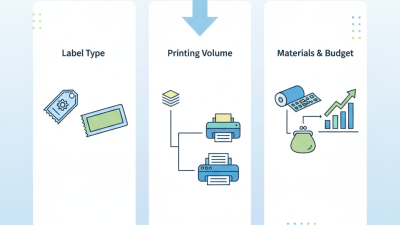
Many businesses face challenges when selecting the ideal machine. Various factors include print speed, quality, and cost-effectiveness. A wrong choice can lead to wasted resources and lost opportunities. Specialized equipment may appear expensive initially but can save money in the long run through efficiency. It's essential to evaluate how different label printing machines fit specific business needs. Details matter: label durability, design capabilities, and user-friendliness all play vital roles.
Moreover, companies must consider evolving market requirements. Customization is becoming the norm. As Miller notes, "Flexibility in label printing is no longer optional." Striking the right balance between versatility and cost can be complex. Thus, investing time in research and understanding the potential machines can lead to informed decisions. Adopting the right technology, like a modern Label Printing Machine, can propel a business forward in a competitive marketplace.
Understanding Different Types of Label Printing Machines
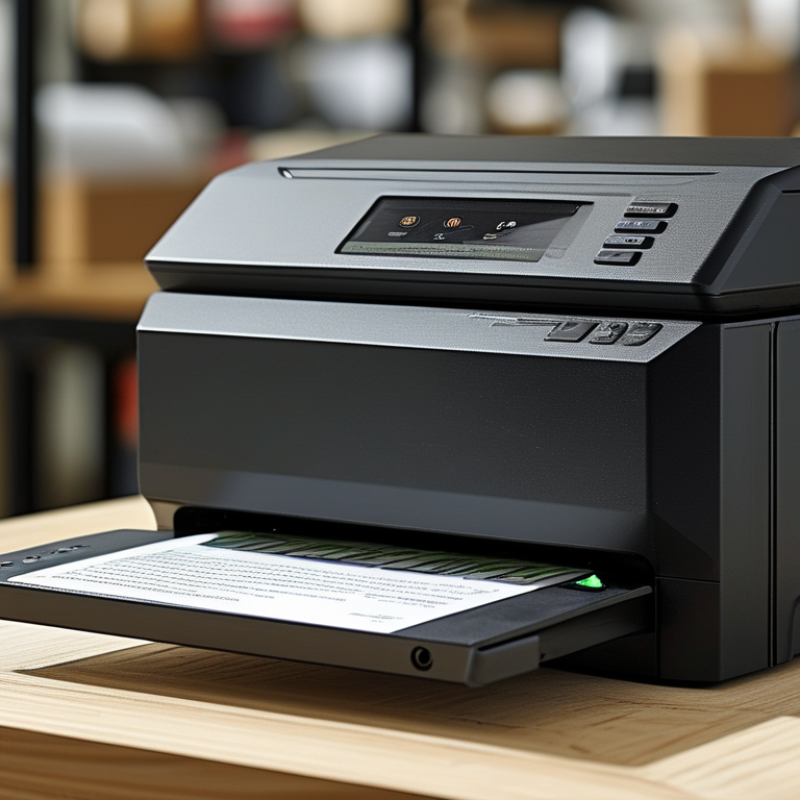
When selecting a label printing machine, businesses encounter various types. Understanding these options is crucial. Inkjet label printers are notable for their vibrant colors. They work well for small batches and custom designs. However, they may not be the best choice for high-volume production. The cartridges can run out quickly, leading to increased costs and downtime.
Thermal transfer printers are a reliable alternative. They use heat to transfer ink from a ribbon onto labels. This type typically produces durable, smudge-resistant labels. However, the initial investment can be higher. Keep in mind that they require periodic ribbon replacements, which affects overall maintenance. Some businesses struggle with balancing quality and cost.
Digital label printers represent a modern solution. They offer flexibility and speed, making them ideal for on-demand printing. The downside? They can be complex and may require specialized training for optimal use. Users may find themselves frustrated without proper support. Each type of printer comes with its strengths and weaknesses. Reflect on specific business needs before making a choice.
Best Label Printing Machine for Your Business Needs
| Type of Machine |
Print Technology |
Max Print Width |
Print Speed |
Connectivity |
Ideal For |
| Desktop Label Printer |
Thermal Transfer / Direct Thermal |
4 inches |
2-6 inches per second |
USB, Bluetooth |
Small businesses, Retail |
| Industrial Label Printer |
Thermal Transfer |
8 inches |
10-12 inches per second |
Ethernet, USB, Wi-Fi |
Manufacturing, Warehousing |
| Portable Label Printer |
Thermal |
2 inches |
1-3 inches per second |
Bluetooth, USB |
On-the-go, Fieldwork |
| Print & Apply Machine |
Thermal Transfer |
Up to 6 inches |
Varies; high speed |
Ethernet, USB |
High-volume production |
Key Features to Consider When Choosing a Label Printer
When selecting a label printer for your business, several key features deserve attention. Resolution is crucial. A printer with a higher DPI (dots per inch) delivers clearer labels. Brands that print at 300 DPI or above tend to be preferred in the industry. Clear labels enhance branding and professionalism.
Speed also matters. A faster printer can significantly boost productivity. Some printers can produce over 200 labels per minute. This efficiency is vital for businesses with high-volume needs. Additionally, consider the printer's connectivity options. Wireless connections allow for more flexible placements in your workspace, facilitating easier integration into your existing systems.
Durability is another important aspect. A printer designed for heavy use will save you time and money on repairs or replacements. Notably, many businesses overlook the importance of an easy-to-use interface. This feature can reduce training time for new employees. In 2022, research indicated that companies using user-friendly printers had a 30% shorter learning curve for staff compared to those using more complex models.
Comparative Analysis of Popular Label Printing Machines
When selecting a label printing machine, it’s essential to focus on the specifics that cater to your business’s unique needs. A recent industry report noted that 73% of businesses prioritize print speed and quality in their decision-making. Understanding the differences can significantly impact operational efficiency. Machines vary widely in features, from thermal to inkjet, each with its pros and cons. Certain models excel in high-volume production, while others are better suited for smaller, personalized batches.
Assessing user requirements is crucial. High-speed printers can produce up to 200 labels per minute, making them ideal for heavy-duty usage. Meanwhile, compact models may offer flexibility and lower costs but could present limitations in speed and durability. Evaluating compatibility with different materials can also influence your choice. Many businesses overlook this when choosing their equipment.
Consider these insights as you explore options. Quality control is vital; monitor output regularly to ensure consistency. Look into future scalability as your business needs grow. Also, invest time in training staff on proper usage to prevent operational mishaps. Don’t forget to keep an eye on maintenance schedules—neglecting them can lead to greater expenses down the line. Balancing these aspects will help you find the best label printing machine for long-term success.
Budget Considerations for Label Printing Equipment
When considering label printing machines, budget plays a crucial role in decision-making. Many businesses overlook the hidden costs associated with label printing equipment. It's not just about the initial purchase price. Think about ongoing costs like ink, labels, and maintenance. These can add up significantly over time.
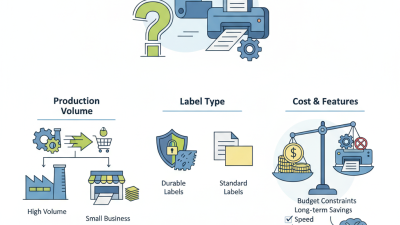
Affordable options may lack advanced features. It's essential to balance cost with capabilities. Reflect on what your business truly needs. Do you require high-speed printing or specialized label sizes? Sometimes, a cheaper model may not deliver the quality required. Investing a bit more initially could save you headaches later.
Another factor to consider is the potential for growth. A machine that fits your current budget might not accommodate future needs. It's a dilemma many face. Short-term savings can lead to long-term constraints. Carefully assess each option, weighing the cost against the functionality. A clearer understanding of your business's printing demands will guide you in making a more informed choice.
Label Printing Machine Budget Considerations
How to Maintain and Optimize Your Label Printing Machine
Maintaining and optimizing your label printing machine is essential for productivity and quality. Industry reports indicate that regular maintenance can reduce machine downtime by as much as 40%. To achieve this, it is crucial to schedule routine checks. Inspect print heads and rollers for wear and clean them frequently. Neglecting this can lead to inconsistent print quality, wasting materials and time.
Effective optimization starts with correct software settings. Ensure that the machine's software is up to date. According to studies, outdated software can hinder performance and result in slower printing speeds. Relying on outdated technology may also affect design capabilities. Adjust print settings to find the right balance between quality and speed, which can vary based on the type of label material used.
Staying organized can make maintenance easier. Create a checklist for weekly and monthly tasks. This could include cleaning toner areas and checking alignment. You'll save yourself from fixing unexpected issues later. Small adjustments in workflow also enhance efficiency; for instance, preparing labels in batches minimizes handling time. Pay attention to the less significant details, as they often lead to better long-term results.