2026 Best Liquid Filling Machine for Global Buyers?
In recent years, the liquid filling machine industry has experienced significant growth. According to market research, the global liquid filling machine market is expected to reach USD 6.3 billion by 2026, exhibiting a compound annual growth rate (CAGR) of 5.2% from 2021 to 2026. This growth is driven by rising demand across various sectors, including food and beverage, pharmaceuticals, and chemicals.
Liquid filling machines play a vital role in efficient and accurate packaging processes. These machines not only enhance production speed but also ensure minimal product wastage, which is crucial for businesses aiming to improve profitability. However, not all machines are created equal. Buyers must consider factors like technology, versatility, and ease of operation when choosing a liquid filling machine.
As the market evolves, challenges remain. Manufacturers must continuously innovate to keep pace with diverse customer needs and regulatory changes. Despite these hurdles, investing in a quality liquid filling machine can drastically improve operational efficiency. Companies that adapt to these shifts will likely lead the market in 2026 and beyond.
Understanding Liquid Filling Machines: Types and Their Applications
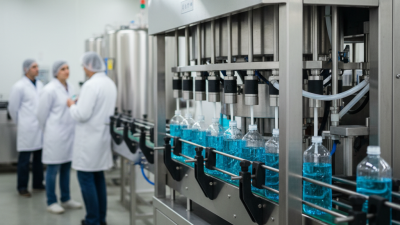
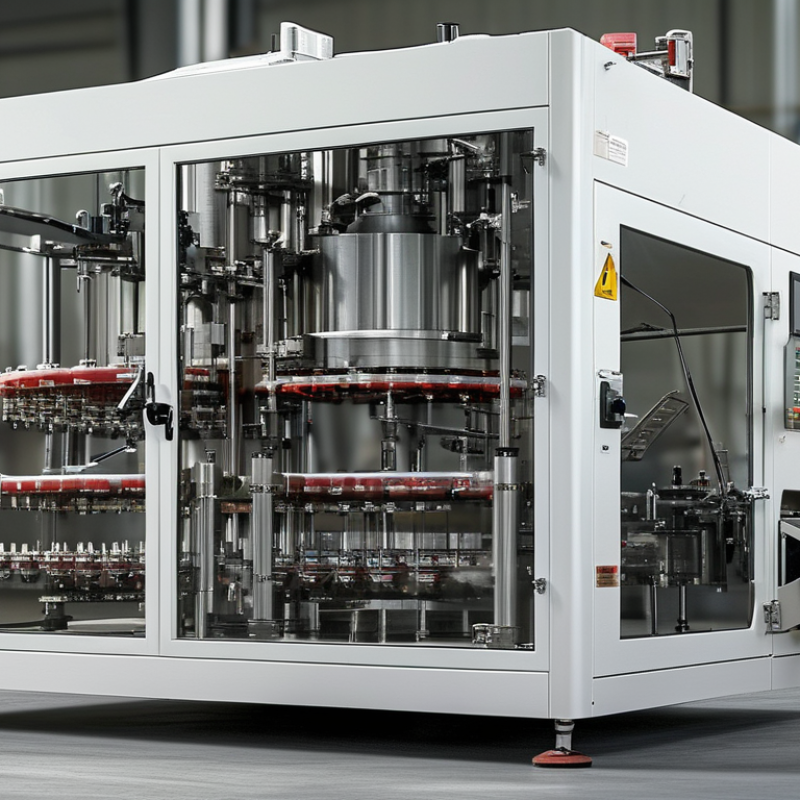
Liquid filling machines are essential in many industries. They efficiently package liquids into various containers, ensuring consistency and reliability. Understanding their types helps buyers choose the right machine for their needs.
There are several types of liquid filling machines. Gravity fillers use gravity to fill containers, making them ideal for thinner liquids. Pump fillers utilize a pump mechanism, which works well for thicker liquids. Pressure fillers operate under pressure, suitable for carbonated beverages. Each type has its applications and benefits.
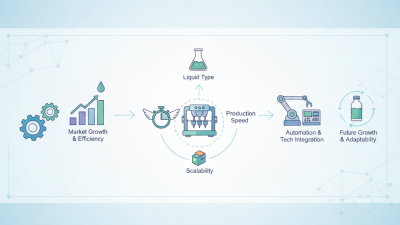
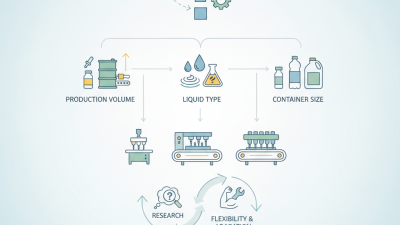
Tips: When selecting a liquid filling machine, consider the type of liquid. Is it thick, thin, or carbonated? Compatibility is key. Additionally, think about production speed. A machine that fits your output needs will save time and resources. Always check for reliable manufacturers. Quality and durability are non-negotiable. Look for reviews or testimonials before making a decision.
Key Features to Consider When Choosing a Liquid Filling Machine
When choosing a liquid filling machine, several key features should be prioritized. First, accuracy is critical. According to a report by MarketsandMarkets, precision in liquid filling can enhance production efficiency by up to 20%. Therefore, look for machines that offer adjustable filling volumes and have mechanisms to minimize spillage.
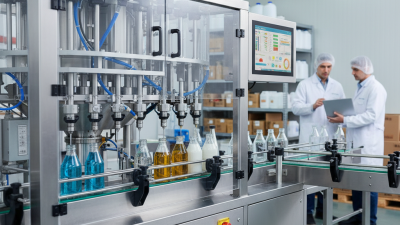
Speed is another important consideration. Modern machines can achieve speeds of 60 to 120 containers per minute, depending on the model. However, higher speeds may compromise accuracy. It’s essential to strike a balance based on your production needs. Additionally, the machine's ease of use should not be overlooked. User-friendly controls and quick changeover features can significantly reduce downtime.
Moreover, sanitation and maintenance play crucial roles in selecting a filling machine. Machines designed for easy cleaning can help prevent cross-contamination and meet food safety standards. A 2022 study highlighted that about 30% of production delays in the beverage industry are due to cleaning processes. Reflecting on these factors can help in making an informed decision, ensuring long-term efficiency and reliability.
Top Brands and Models for Liquid Filling Machines in 2026
As the demand for efficient packaging solutions grows, liquid filling machines play a crucial role in various industries. According to a recent market report, the liquid filling machine market is projected to reach $5 billion by 2026. This growth underscores the importance of selecting the right equipment to enhance production efficiency and maintain product quality.
In 2026, several top models stand out in the market for their innovative technology and reliability. High-speed, automated machines are preferred by manufacturers looking to increase output without compromising accuracy. Simple designs often lead to ease of use, making training for staff less time-consuming. Features like adjustable filling volumes and high compatibility with different containers make specific models particularly noteworthy.
Tips: When choosing a filling machine, consider future scalability. Assess machine maintenance requirements to avoid unexpected downtime. Checking for user-friendly interfaces can also ease operations, especially for those new to the industry. Employing these strategies can prevent costly mistakes and ensure a smoother transition towards enhanced efficiency.
2026 Best Liquid Filling Machine for Global Buyers
| Model |
Filling Capacity (ml) |
Filling Speed (Bottles/min) |
Accuracy (%) |
Price Range ($) |
User Rating (out of 5) |
| Model A |
100-1000 |
30 |
99 |
5000-7000 |
4.7 |
| Model B |
250-2000 |
40 |
98 |
6000-8000 |
4.5 |
| Model C |
500-5000 |
50 |
97 |
7000-9000 |
4.8 |
| Model D |
1000-3000 |
20 |
95 |
4000-6000 |
4.2 |
| Model E |
150-1500 |
35 |
99.5 |
4500-6500 |
4.6 |
Comparative Analysis of Liquid Filling Machines: Pros and Cons
When considering the best liquid filling machines, it's crucial to weigh their pros and cons. These machines are essential in various industries, from food and beverage to pharmaceuticals. They enhance efficiency and ensure consistent product quality. However, not every machine suits every business.
A major advantage of liquid filling machines is their speed. They can fill bottles and containers quickly, which boosts production. Automated machines reduce labor costs and minimize human error. Yet, maintenance can be a concern. Regular servicing is needed to avoid downtime and costly repairs. A machine that works well today may not perform optimally tomorrow.
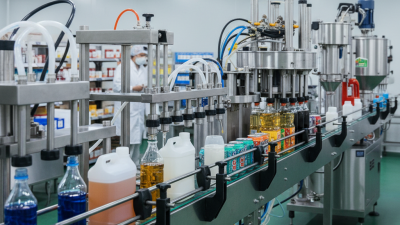
Another consideration is versatility. Some machines handle various liquid types and container sizes. This flexibility is beneficial for businesses with diverse product lines. On the flip side, adapting to new liquid types may require calibration. Every new product introduces potential challenges. It's vital to assess your specific requirements fully. The wrong choice can lead to inefficiencies and increased costs.
Future Trends in Liquid Filling Technology for Global Buyers
Liquid filling technology is evolving rapidly. Manufacturers are looking for solutions that enhance efficiency and precision. As we approach 2026, global buyers should pay attention to emerging trends.
Automation and smart technologies are gaining traction in the industry. These innovations can significantly reduce labor costs and minimize human error.
Tips for buyers: Evaluate the level of automation in machines. Fully automated systems can streamline production but may require higher initial investments. Assess your production needs and choose a machine that balances cost with efficiency.
Sustainability is another crucial trend in liquid filling technology. Companies increasingly prioritize eco-friendly practices. Look for machines that minimize waste and use less energy. This shift not only benefits the environment but can also enhance brand reputation.
Keep an eye on integration capabilities too. A filling machine should easily connect with other equipment in the production line. Compatibility can save time and resources.
With the future in mind, exploring new technologies is vital. Potential buyers need to conduct thorough research before making decisions. While many advancements are exciting, some may not suit every operation. Closely consider the specific requirements of your production environment.