How to Choose the Best Packaging Machines for Your Business?
Choosing the right packaging machines is critical for business success. Industry expert Dr. Sarah Thompson once stated, “The right packaging machine can enhance efficiency and reduce costs." Her insight highlights the importance of careful selection in this field.
There are many factors to consider when evaluating packaging machines. Businesses must think about production speed, product types, and layout. It’s essential to integrate these machines seamlessly into existing workflows. While advanced technology can offer benefits, not every machine will suit every application. Misalignment between a machine's capabilities and business needs can lead to inefficiencies.
Additionally, the upfront cost versus long-term savings is a complex equation. Entrepreneurs may find themselves tempted by cheaper options that lack durability. It's important to weigh initial investments against operational reliability. Reliable packaging machines can lead to cost savings over time, but often, businesses overlook this critical factor. Finding the right balance is challenging yet necessary for success in today's competitive market.
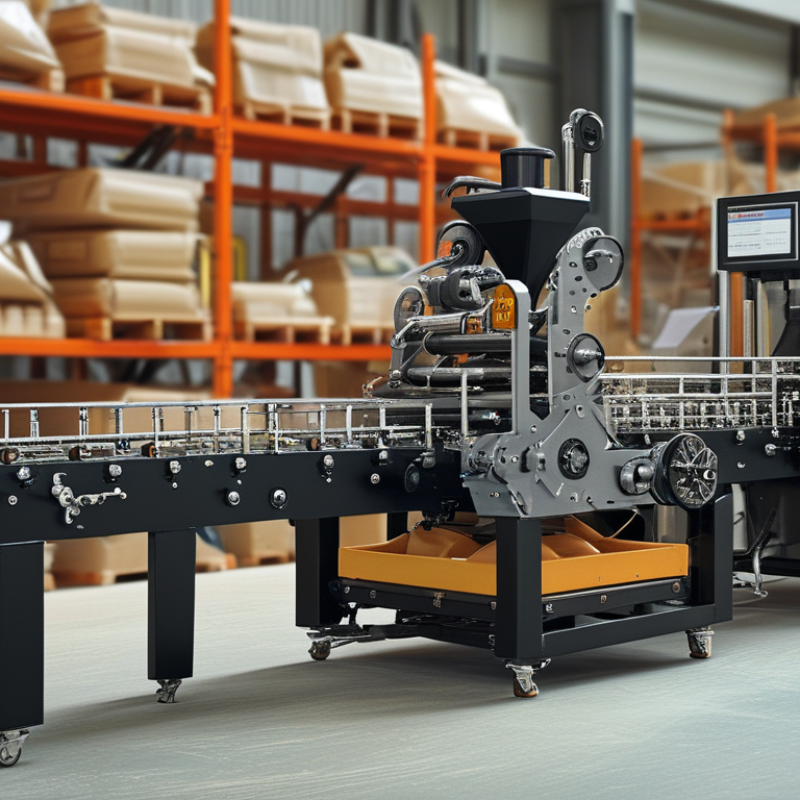
Understanding Different Types of Packaging Machines Available in the Market
When choosing packaging machines, understanding the various types available is crucial. Different machines serve unique purposes. For instance, vertical form-fill-seal machines are ideal for granulated products. They create bags quickly and efficiently. In contrast, horizontal form-fill-seal machines cater to packaging bulkier items, offering versatility in shape and size.
Consideration of automation levels is also important. Fully automated machines can streamline packaging processes and reduce labor costs. However, they require a higher initial investment. Semi-automated options exist, offering flexibility without a steep price tag. Make sure to analyze your production volume to determine the right level of automation.
Don't overlook the relevance of machine maintenance and support. Reliable service from manufacturers can impact your production line's efficiency. Research and reflect on your long-term needs. Investing in quality machinery can prevent costly breakdowns and downtime. Understanding these variances will guide you in selecting the best packaging solutions for your business.
Packaging Machines Market Overview
Assessing Your Business Needs and Packaging Requirements
Assessing your business needs and packaging requirements involves understanding what you want to achieve.
Take a moment to analyze your product dimensions, weight, and fragility. These factors dictate the
type of packaging solutions that will work best. Consider whether materials are recyclable
or biodegradable.
Sustainability can be an essential selling point.
When evaluating machines, be specific. Do you need speed or
precision? Here are some tips:
- First, measure your production volume. High output demands faster machines, while lower outputs might benefit from flexibility.
- Second, think about your product mix. Diverse products can require additional adjustments.
- Customization should always be a priority.
Ask yourself if you'll need future upgrades.
Don't overlook user experience. A machine is only as good as its operator.
Consider ease of use in your decision-making. This can affect training times.
Lastly, reliability matters. Check reviews and seek testimonials.
A machine's lifespan impacts your return on investment.
It’s essential to weigh all these factors carefully.
Evaluating Key Features and Specifications of Packaging Machines
When selecting packaging machines for your business, understanding key features and specifications is crucial. Different types of machines exist, such as horizontal and vertical fillers, each offering unique advantages. Industry reports indicate that the global packaging machinery market is projected to reach $50 billion by 2026, highlighting the increasing demand for efficient packaging solutions.
Key specifications to consider include speed, accuracy, and versatility. For instance, a machine that processes 60 packages per minute may seem efficient. However, if it compromises accuracy, it could lead to higher waste rates. Research shows that equipment downtime can account for up to 10% of production, emphasizing the need for reliable machinery. Many businesses overlook maintenance schedules, which are crucial in ensuring long-term machine performance.
Another significant feature is the machine’s adaptability to various packaging materials. The rise of eco-friendly materials is noteworthy. A machine that can handle these materials effectively offers a competitive edge. Engaging with suppliers about material compatibility can prevent future bottlenecks. Understanding these specifications is vital. However, evaluating them requires thorough research and often, consultation with industry experts.
Comparing Costs and Budget Considerations for Packaging Solutions
When selecting packaging machines, cost and budget are critical factors. According to a recent industry report, packaging machinery can range from $25,000 to over $1 million. A manufacturer's specific needs greatly influence this gap. Smaller businesses might lean toward low-cost, semi-automated machines, while larger enterprises often invest in fully automated systems. Both options come with unique advantages and challenges.
Maintenance costs also play a role in budget considerations. For example, advanced machines may require specialized technicians, leading to higher long-term expenses. A survey from the Packaging Machinery Manufacturers Institute found that 60% of companies experienced unexpected maintenance costs within the first year of use. Understanding these variables can help ensure informed financial decisions.
Incorporating flexibility in budget planning is essential. Packaging requirements can change rapidly due to market trends. Companies may need to reassess their machinery as product lines evolve. Underestimating these costs can lead to operational bottlenecks. A proactive approach to budgeting includes evaluating potential scaling needs and ensuring equipment adaptability. This reflective strategy encourages business growth while minimizing financial strain.
How to Choose the Best Packaging Machines for Your Business? - Comparing Costs and Budget Considerations for Packaging Solutions
| Machine Type |
Average Cost ($) |
Operating Cost per Year ($) |
Production Speed (Units/hour) |
Maintenance Frequency (Times/Year) |
Space Required (sq. ft.) |
| Automatic Carton Sealer |
5,000 |
1,200 |
30 |
2 |
25 |
| Semi-Automatic Filling Machine |
8,000 |
1,800 |
50 |
3 |
20 |
| High-Speed Wrapping Machine |
15,000 |
3,500 |
100 |
4 |
30 |
| Tabletop Sealing Machine |
2,000 |
600 |
20 |
1 |
10 |
| Shrink Packaging Machine |
7,500 |
1,400 |
80 |
3 |
35 |
Researching Manufacturers and Suppliers for Quality and Support
When you're in the market for packaging machines, it’s crucial to conduct thorough research on manufacturers and suppliers. Quality and support will significantly affect your business's efficiency. Check their experience in the industry. Look for manufacturers with a solid track record in providing reliable machines. Sometimes, newer companies may offer innovative solutions, but they might lack proven reliability.
Tips: Always ask for references. Speak to other businesses that have used their products. This can provide you with real insights into their performance. Visit trade shows or expos to see machines in action. This interaction can help clarify doubts and foster connections.
Evaluate the support they offer. Are there dedicated customer service teams? Can they provide quick troubleshooting? Some suppliers may offer training for your employees, which is a key aspect to consider. Not all companies provide the same level of service.
Before making a decision, compare multiple options. Ensure you've gathered enough information. Sometimes, the best choice isn't the most popular one. It’s important to analyze your specific needs. Don't hesitate to reach out for personal demos if you're unsure about particular features or capabilities.