
Leave Your Message

Top Shrink Packing Machine Suppliers Worldwide?

Choosing among the top Shrink Packing Machine suppliers worldwide is not just a price comparison. The right supplier should understand your product, film, line speed, and available floor space. A compact tabletop unit may suit short runs. A high-speed automatic system needs reliable infeed, sealing, and temperature control. Small details matter.

Quality-management expert W. Edwards Deming is widely associated with the principle, “Quality comes not from inspection, but from improvement of the production process.” For buyers, that idea applies to machine selection: ask how suppliers verify sealing consistency, support commissioning, and handle service parts. Request a product trial when possible. Watch the film tighten around corners, then inspect the seal and package clarity. Numbers on a brochure are useful. A running test is better.

This guide compares suppliers by equipment range, customization, technical support, and operating requirements. It also highlights questions worth asking before a purchase, including training, spare-part availability, and compatibility with existing conveyors. These points can reveal gaps early. Still, no supplier is ideal for every factory. A machine that performs well with one film or product may need adjustment for another. That deserves more attention than it often gets. Reliable decisions come from matching proven capabilities to real production needs, not from choosing the largest catalog or the lowest quote.
Top Shrink Packing Machine Suppliers Worldwide?

What Shrink Packing Machines Do and Where They Are Used

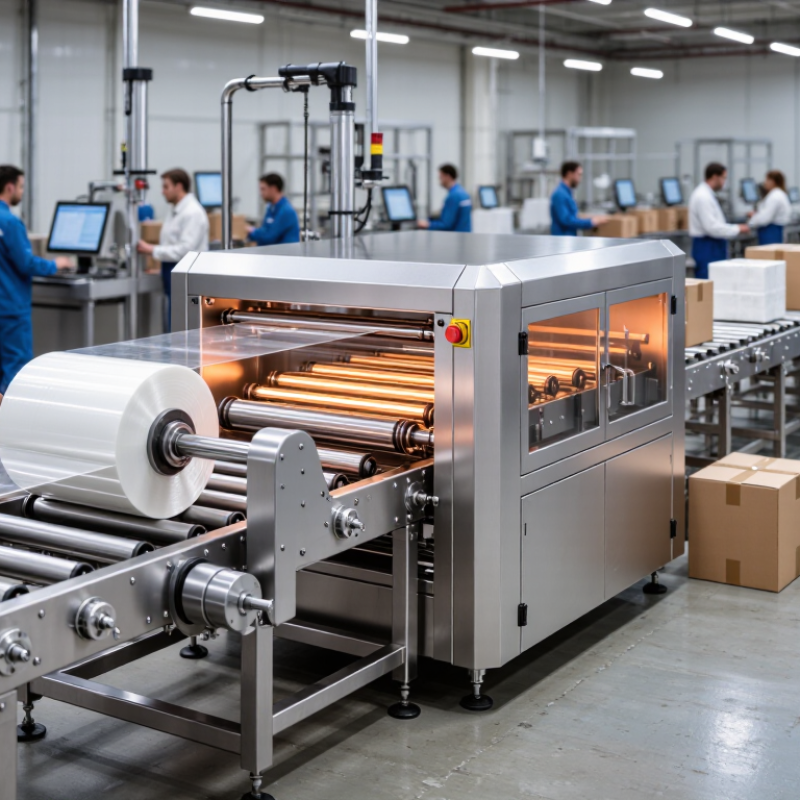
Shrink packing machines wrap products in a loose film that tightens when heated. A typical system feeds film around an item, seals the edges, and passes the package through a heat tunnel. The result is a closer-fitting layer that helps hold products together and reduces exposure to dust and handling. It is not a substitute for protective shipping cartons.

Machine designs vary with output and product shape. Manual and semi-automatic units suit smaller batches or frequent changeovers. Automatic lines can connect to conveyors and handle steady production. Operators need to match film type, sealing method, and tunnel temperature to the product. Too much heat can distort thin packaging; too little can leave wrinkles or loose corners. Small adjustments matter.

These machines are used for beverage multipacks, boxed foods, personal-care items, printed materials, and household goods. A clear film can keep several cartons together on a retail shelf, while a tighter wrap can help stabilize items during warehouse movement. The best setup depends on package dimensions, line speed, and how the goods will be stored. In practice, the neatest wrap is not always the most useful one. A tight seal may look appealing but can slow packing or complicate access. Testing with real products is essential. A sample run often reveals issues that a specification sheet misses.

Main Types of Shrink Packing Machines and Their Applications

Shrink packing machines differ mainly in how they seal, group, and heat products. L-bar sealers suit small or changing batches, such as boxed cosmetics, books, and hardware kits. An operator places each item inside film, seals its edges, then moves it through a heat source. It is flexible, but manual loading can limit output.

For steady production, automatic side-seal machines handle long or irregular products, including household goods and printed materials. Sleeve wrappers bundle several items together, often for beverage multipacks or tissue packs. A shrink tunnel then applies controlled heat, tightening the film around the load.

Watch the temperature closely. Too much heat can wrinkle film or mark delicate packaging.

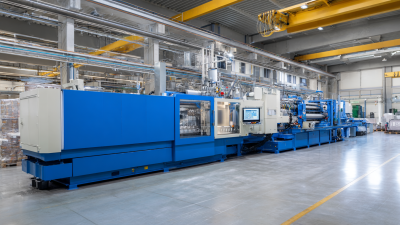
Chamber machines enclose a single product during sealing and shrinking. They can work well for compact goods and shorter production runs, though their chamber size sets a firm limit. Tunnel systems are better for continuous lines, but require space and careful setup.

The awkward part is choosing by speed alone. Product dimensions, film type, operator skill, and available floor space all matter. A test run with actual products can reveal problems that a specification sheet misses. The best fit is not always the most automated one.
How to Evaluate Shrink Packing Machine Suppliers

Top Shrink Packing Machine Suppliers Worldwide?

How to Evaluate Shrink Packing Machine Suppliers

Choosing a shrink packing machine supplier takes more than comparing prices. Start with your product and packaging requirements: item dimensions, target output, film type, and available floor space. Ask suppliers to run samples using your actual products and film. Watch for loose corners, uneven seals, and packs that wrinkle after cooling. Request written cycle-time figures, then check how those figures were measured. A fast demonstration may not reflect a full production shift.

Tips: Ask for a sample test, a maintenance schedule, and a clear list of included parts. Check whether operators can access heaters and sealing components safely. Confirm training, spare-part availability, and expected response times in writing.

Review the supplier’s technical documents and speak with comparable customers, if possible. Ask what happens when pack sizes change or a line stops unexpectedly. A detailed answer is useful; vague promises are not. Still, no checklist predicts every production issue. Even a successful factory test may miss differences in operator habits, film batches, or room temperature. Leave time for installation checks and adjustments, and keep your evaluation notes specific.

Notable Shrink Packing Machine Suppliers Across Global Markets

Top Shrink Packing Machine Suppliers Worldwide?

Notable Shrink Packing Machine Suppliers Across Global Markets

Shrink-packaging suppliers vary by region, but strong options usually combine reliable sealing, accessible service, and practical line integration. European manufacturers often emphasize precise film control and automated production lines. East Asian suppliers commonly offer broad configurations and competitive delivery options. North American integrators may stand out for local installation and aftermarket support. These are tendencies, not guarantees; individual machine quality varies.

PMMI’s 2023 State of the Industry report estimated North American packaging machinery shipments at about $10.2 billion in 2022. The figure covers multiple machinery categories, not shrink systems alone, so it should not be treated as a shrink-machine market estimate. Still, it signals a substantial equipment base and a busy supplier landscape. A polished showroom tells little about spare-part lead times. Ask for changeover demonstrations, film compatibility details, and service response times.

Tips: Test your actual product and film, not just a sample. Request cycle-rate data from a comparable line, and check whether operators can clear jams safely. Fit matters. A cheaper machine can become costly when local support is weak. Even good specifications need scrutiny.

Throughput varies with product size, film, and line setup. These indicative ranges help compare machine configurations when evaluating suppliers; they are not supplier rankings or guaranteed production rates.

How to Compare Supplier Services, Costs, and Support

When comparing shrink packing machine suppliers, look beyond the headline price. Ask each supplier to test your actual product, film, and pack size. Watch how evenly the film shrinks, whether seals hold, and how quickly an operator can adjust the temperature. Request a written test record, including line speed and any rejected packs. Small details matter.

Compare costs in the same format. Include installation, operator training, spare parts, tooling, shipping, and commissioning—not just the machine itself. Ask which components need routine replacement and how much downtime a typical repair may cause. A cheaper quote can become expensive if essential parts are excluded. Still, the highest-priced option is not automatically the best fit.

Support deserves a practical check. Ask who handles troubleshooting, what response times are offered, and whether help is available by phone or video. Confirm that manuals and maintenance instructions are clear, and ask how parts are identified and ordered. Ask for names. Speak with a recent customer if possible, and ask about both smooth installations and difficult repairs. A supplier’s polished demonstration is useful, but it cannot answer every question. Even a careful comparison has limits: one successful trial may not predict performance with different film, operators, or seasonal conditions.