Choosing the right Vacuum Seal Machine can feel simple until food, storage space, and daily workflow are involved. A glossy machine may look impressive, yet weak seals can leave moisture around the bag edge. That small detail matters. In a busy kitchen, a failed seal can waste ingredients, time, and confidence.
Douglas Baldwin, a recognized sous vide and food-safety authority, states, “Vacuum packaging is not a substitute for refrigeration.” His warning should guide every buying decision. A reliable Vacuum Seal Machine must match your actual needs, including sealing frequency, bag width, suction strength, noise, and maintenance. A home cook sealing fresh meat twice weekly needs different performance from a small catering business sealing dozens of portions each day. Think carefully.
The following seven tips examine practical features that buyers often overlook. They cover external and chamber-style designs, seal consistency, pump performance, controls, bag compatibility, cleaning, and long-term value. A cheaper model may save money today but create frustration after repeated use. Still, the most expensive machine is not automatically the best choice. That assumption deserves questioning. Look for clear specifications, realistic customer feedback, and safety guidance from dependable manufacturers. Check the seal bar after several cycles, not only during a showroom demonstration. Notice whether liquid reaches the pump area. Small tests reveal more than bold advertising. In the end, the best Vacuum Seal Machine is the one that fits your food habits, workspace, and willingness to maintain it.
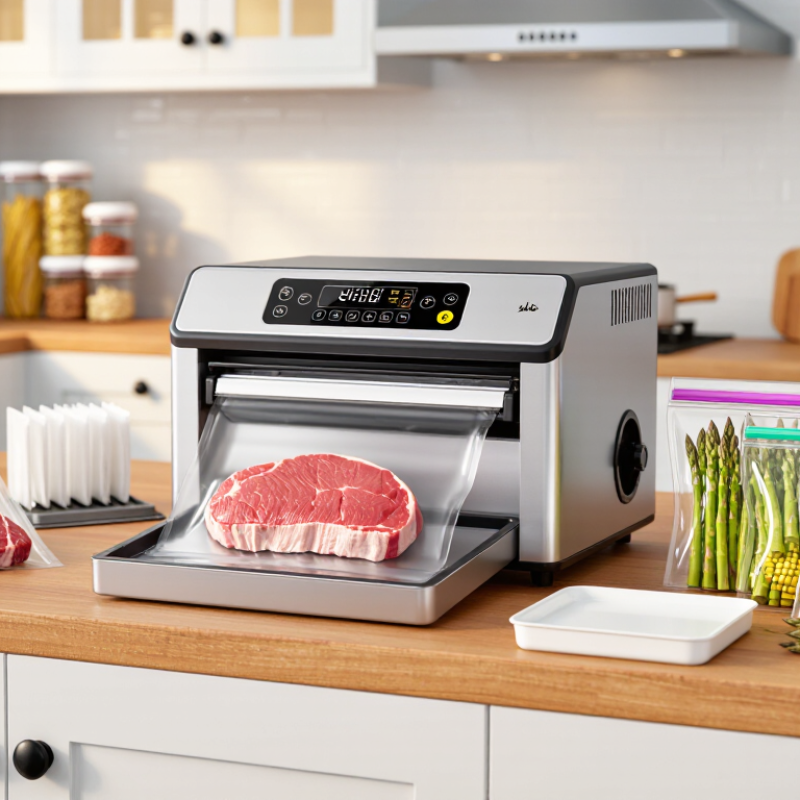
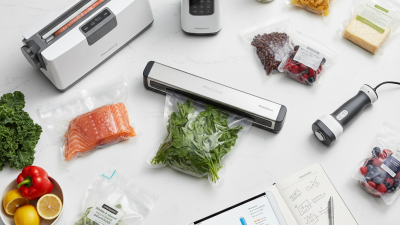
Vacuum seal machines work by pulling air from a specially designed bag, then closing it with heat. Less oxygen slows oxidation and helps reduce freezer burn. It does not sterilize food. Refrigeration or freezing remains essential for perishable items.
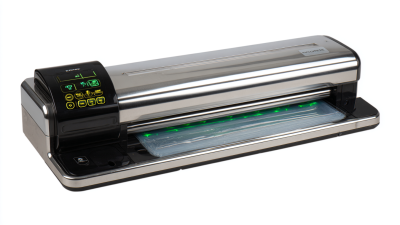
When choosing a machine, watch the sealing process closely. A clear bag should tighten around the food without sharp corners puncturing the plastic. Strong suction helps with firm foods, while a pulse function gives better control over bread or soft fruit. For soups and marinades, a chamber-style machine is often more reliable because liquid stays inside the chamber. External models may struggle with moisture.
Seal width also matters. A wider seal usually creates a stronger closure. Check whether the machine accepts textured bags, reusable containers, or only specific materials. In practical testing, I would run three trials: dry food, moist food, and a delicate item. The result can change noticeably. Cleaning the drip tray after each wet cycle prevents odors and unstable seals. Do not overfill the bag. Leave enough space for the sealing bar to grip evenly.
A vacuum-sealed bag should feel firm, not crushed. Inspect the seam before storage. Small wrinkles can become leaks. My own judgment has sometimes been too optimistic after one successful seal, so repeated testing is wiser. Temperature, food shape, and bag quality all affect performance.
Match the Machine Type to Your Packaging Needs
Tip 1: Define the product first. An external-suction machine suits dry goods, coffee, and firm portions. It is affordable and compact. Tip 2: Choose a chamber machine for soups, marinades, and moist foods. The bag stays inside the chamber, reducing liquid damage. Tip 3: Check bag dimensions before buying. A small sealing bar can limit portion size and waste time. Tip 4: Compare vacuum strength, seal width, and cycle speed. Stronger is not always better for delicate pastries or soft produce.
According to the 2024 Food Waste Index Report, the world wasted about 1.05 billion tonnes of food in 2022. Better packaging can help, but vacuum sealing is not a cure-all. Tip 5: Match the machine with your storage plan. Refrigerated meat, frozen meals, and dry ingredients need different packaging routines. Tip 6: Consider daily volume. A countertop unit may work for occasional use, while a commercial chamber model needs faster cycles and easier cleaning. Test real products, not empty bags. That detail matters.
Tip 7: Treat food safety as part of machine selection. The FDA Food Code 2022 and USDA FSIS guidance describe added controls for reduced-oxygen packaging. Vacuum sealing does not make food shelf-stable. Keep chilled products cold, label dates, and follow validated storage times. I would also question impressive vacuum ratings. Seal consistency, maintenance, and operator training often matter more. One weak seal can undo the entire process.
| Tip | Machine Type | Best Packaging Format | Typical Products | Typical Bag or Container Size | Typical Throughput | Main Advantages | Important Limitations | Best Choice When |
|---|---|---|---|---|---|---|---|---|
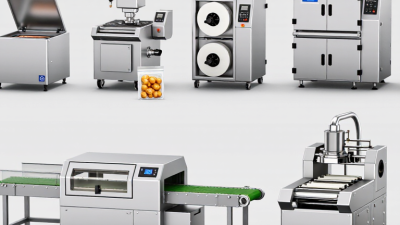
| 1 | External Suction Sealer | Open-ended vacuum bags with one bag sealed at a time | Dry foods, coffee, household items, clothing, and small parts | Small to medium bags; generally up to approximately 30 cm sealing width | Low to moderate volume; commonly suitable for occasional or small-batch packing | Compact, comparatively affordable, easy to operate, and suitable for textured vacuum bags | Less suitable for liquids, wet products, powder, or high-volume production; bag positioning affects consistency | You need a simple solution for household, laboratory, retail, or small-business use |
| 2 | Single-Chamber Tabletop Sealer | Preformed vacuum pouches placed inside a chamber | Meat, seafood, cheese, prepared meals, hardware, and products containing moderate moisture | Small to medium pouches; chamber dimensions commonly accommodate one or several compact bags | Moderate volume; often around 2–6 cycles per minute depending on bag size and vacuum time | More consistent vacuuming than external suction models and better control of liquids during evacuation | Each pouch must be loaded into the chamber; chamber size limits the product dimensions | You need reliable small-batch packaging for wet or moist products |
| 3 | Double-Chamber Floor Sealer | Preformed pouches loaded into one chamber while the other chamber is unloading | Fresh meat, seafood, cheese, agricultural products, and industrial components | Medium to large pouches; often available with sealing widths of approximately 40–100 cm | Medium to high volume; commonly around 4–12 cycles per minute, depending on product and settings | Higher productivity than single-chamber equipment and efficient use of operator time | Larger footprint, higher purchase cost, and less convenient for very large or irregular products | You need continuous batch production with preformed bags and consistent cycle times |
| 4 | Continuous-Belt Chamber Sealer | Repeated loading of bags on a moving belt, usually with the bag opening positioned consistently | Meat cuts, seafood, vegetables, prepared foods, and other products packed in large batches | Medium to large bags; suitable for repeated production using standardized pouch sizes | High volume; commonly designed for faster repetitive operation than tabletop chamber machines | Improves operator ergonomics, supports standardized production, and reduces handling between cycles | Requires more floor space and setup; product size and pouch orientation must match the machine design | You operate a food-processing or packaging line with frequent, repetitive pouch sealing |
| 5 | Nozzle-Type Vacuum Sealer | Rigid containers, trays, jars, or specially designed pouches connected to a vacuum nozzle | Liquids, sauces, powders, medical items, and products that cannot be placed inside a chamber | Varies widely according to the container or pouch format | Low to high volume, depending on the number of nozzles and degree of automation | Can evacuate selected containers and handle packaging formats unsuitable for standard chamber sealing | Correct container compatibility and nozzle positioning are essential; some liquid products may foam during evacuation | Your packaging uses rigid containers, special pouches, or products with unusual shapes |
| 6 | Tray Sealer with Vacuum or Gas Flush | Rigid or semi-rigid trays sealed with lidding film, with optional vacuum or modified-atmosphere packaging | Fresh meat, poultry, seafood, ready meals, produce, and convenience foods | Standardized tray footprints; dimensions depend on the selected tooling | Medium to high volume; tooling and automation level strongly influence output | Creates an attractive retail presentation, supports portion control, and can combine sealing with gas flushing | Requires compatible trays, lidding film, and tooling; usually less flexible for changing package dimensions | You sell portioned products in retail-ready trays and need consistent presentation |
| 7 | Thermoforming Vacuum Packaging Machine | Packaging formed from a roll of film, then vacuumed and sealed inline | Processed meat, cheese, seafood, medical products, and high-volume food items | Custom cavity dimensions formed by tooling; suitable for repeatable product sizes | High to very high volume; designed for automated, continuous production | Reduces reliance on preformed pouches, integrates forming, filling, vacuuming, and sealing, and supports efficient material use | High initial investment, more complex operation, tooling requirements, and longer changeover for new formats | You require automated mass production with standardized package shapes and strong output capacity |
7 Tips to Choose the Best Vacuum Seal Machine
Check sealing strength before admiring a fast cycle. A reliable seal should look even, smooth, and firmly bonded across the bag. Test several sealed bags by gently pulling the edges. Weak corners often reveal poor heat control. I once trusted a neat-looking seal, but it opened after freezing. That mistake changed my testing routine.
Compare cycle speed under real working conditions. Measure the time from closing the lid to releasing the bag. Some machines work quickly once, then slow down after repeated cycles. Watch for heat buildup, noisy pumps, or inconsistent vacuum levels. A short cycle is useful, but stable performance matters more. Record five cycles, not just one.
Match capacity to your daily workload. Measure the chamber, lid clearance, and usable sealing bar length. A large chamber suits multiple small bags, while a compact model may waste time with frequent loading. Check whether your usual bags fit without folding near the seal. Review the pump rating, control accuracy, and replacement parts availability. Ask about cleaning access, because liquid residue can damage seals and create unreliable results. Choose controls that show vacuum time and sealing temperature clearly. Digital displays help, though they can still mislead inexperienced users. Leave room for learning.
Choosing the best vacuum seal machine starts with compatibility, not suction power. Check whether it accepts textured vacuum bags, smooth pouches, reusable containers, or only one format. A machine may seal bags well but fail with rigid containers. Read the manual carefully. Small details matter.
During kitchen testing, I once used a narrow bag with a wide sealing strip. The seal looked firm, but air returned overnight. That mistake reminded me to match bag width with the machine’s sealing area. Bags should also tolerate freezing, boiling, or reheating when required. Never assume every plastic pouch is suitable for all temperatures.
Food type matters just as much. Dry foods, such as rice or coffee beans, usually need a standard vacuum cycle. Moist foods can send liquid toward the pump. Choose a pulse setting, use a drip tray, or partially freeze the food first. Delicate items need gentle pressure. Berries, bread, and soft pastries can be crushed easily. Containers are useful for soups and fragile foods, but they need compatible valves and lids. I still recheck the seal after several hours, because a quiet leak can hide beneath a clean-looking edge. Freshness also depends on refrigeration and handling, not sealing alone.
Compare the compatibility features that matter when sealing bags, containers, and different food types.
A suitable machine should support the bag type you plan to use, offer container compatibility when needed, and provide pulse or moisture-control functions for soft, moist, or delicate foods. Smooth chamber bags generally require a chamber vacuum machine, while external suction machines typically require embossed or textured bags. Always confirm the product manual before sealing liquids or using accessories.
7 Tips to Choose the Best Vacuum Seal Machine?
Evaluate Maintenance, Safety, and Long-Term Value
A good vacuum seal machine should be easy to inspect after repeated use. Check whether the sealing bar, gasket, and filter can be removed without special tools. I prefer machines with clear service instructions and replaceable wear parts. Wipe food residue from the chamber after every session. Small leaks often begin with crumbs or a flattened gasket.
Safety deserves more attention than glossy features. Look for heat protection, stable feet, secure lids, and automatic shutoff. The power cord should feel thick and undamaged. Keep the unit on a dry, level surface, and unplug it before cleaning. Never touch the sealing strip immediately after operation. It stays hot. Bags must also match the machine and the stored food. The manual matters, even when the controls seem obvious.
Long-term value includes repair access, energy use, noise, and downtime. Ask how often the pump needs maintenance and whether replacement parts remain available. A lower purchase price can become expensive when one failed gasket stops daily work. I once ignored an unusual pump sound and paid for a larger repair later. That mistake still influences my buying decisions. Compare service support, warranty terms, and expected operating frequency. A machine used weekly needs different durability than one sealing dozens of packages each day. Check these details before trusting the discount.