Leave Your Message

Who Are the Top Label Printer Machine Suppliers in China?

China has become an important sourcing destination for label-printing equipment, serving manufacturers, logistics firms, and packaging businesses. The market is changing quickly. Buyers now compare more than purchase price: print resolution, running speed, media compatibility, software support, and access to spare parts all matter. A printer that looks capable in a brochure may perform differently on a busy production floor.

Grand View Research estimated the global printed-labels market at about US$44.3 billion in 2023 and projected a 4.3% compound annual growth rate from 2024 to 2030. This figure describes the label market, not Label Printer Machine sales, so it should be read as context rather than proof of equipment demand. Still, it helps explain why reliable printing capacity matters across product identification and shipping workflows. Small details count. A smudged barcode or frequent media jam can slow a line.

This guide examines leading Label Printer Machine suppliers in China through practical questions: What technologies do they offer? Can they provide clear specifications, sample testing, and responsive technical support? Supplier claims deserve verification. Request print samples, check warranty terms, and confirm which consumables the machine supports. No ranking can replace a production trial; even a careful comparison may miss how a printer behaves after months of use.
Who Are the Top Label Printer Machine Suppliers in China?

What Label Printer Machines Are and How They Work

Who Are the Top Label Printer Machine Suppliers in China?

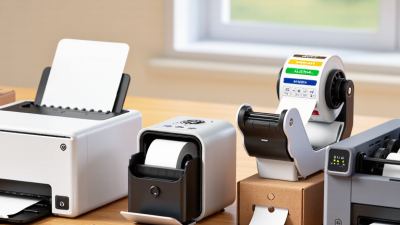
A label printer machine transfers text, numbers, or graphics onto adhesive-backed material. Common systems use thermal printing. Direct thermal machines apply heat to specially coated labels, while thermal-transfer machines heat a ribbon to create a more durable image. The right method depends on the label stock, expected handling, and storage conditions.

Inside the machine, a printhead heats selected points as the label moves past it. Rollers feed the material, and sensors help detect gaps or black marks so each label starts in the right place. A small misalignment can shift an entire batch. In real production, settings may need adjustment when label thickness or roll tension changes. It is not always a perfect process. Suppliers can help buyers compare print resolution, speed, media compatibility, and service support, but sample testing remains useful before a large order.

Tips: Print a few sample labels using your actual material. Check barcode clarity, alignment, and whether the image survives rubbing. Also confirm the machine supports your label width and roll size. Small details matter.

Who Are the Top Label Printer Machine Suppliers in China? - What Label Printer Machines Are and How They Work

Label printers apply text, barcodes, graphics, or other information to label stock. The table compares common printing technologies and outlines practical points to verify when evaluating a supplier. It does not rank or identify individual companies or brands.

Machine Type How It Works Typical Label Materials Common Applications What to Verify with a Supplier
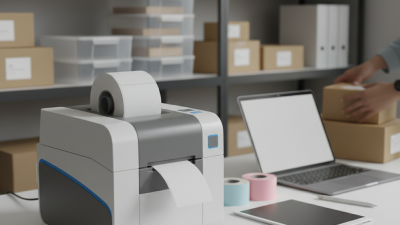
Direct thermal printer A heated printhead reacts with a heat-sensitive coating on the label; no ink ribbon is used. Direct thermal paper and other media specifically made for direct thermal printing. Shipping labels, receipts, and short-life identification labels. Confirm supported label widths, print resolution, print speed, sensor options, and compatibility with the intended thermal media.
Thermal transfer printer A heated printhead transfers ink from a ribbon onto the label surface. Coated paper, synthetic films, and other materials matched to the ribbon and print settings. Product identification, asset tags, and labels that need greater resistance to handling or environmental exposure. Check ribbon and media compatibility, available print resolutions, maximum print width, and whether sample labels meet the required durability.
Inkjet label printer Printheads deposit controlled droplets of ink onto the label material. Ink chemistry varies by machine and application. Inkjet-compatible paper or film; the required coating depends on the ink system. Color product labels, packaging labels, and short-run designs with variable graphics. Ask which media and ink types are supported, and test drying, adhesion, color quality, and resistance requirements on the actual label stock.
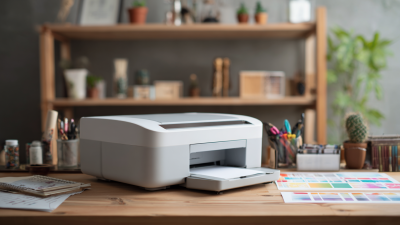
Electrophotographic (laser or LED) printer The imaging system forms a toner image, which is transferred to the label stock and fused using heat and pressure. Label sheets or rolls specifically rated for the printer’s feed path and fusing conditions. Color or monochrome labels, short production runs, and variable-data printing. Verify approved label constructions, sheet or roll feeding options, fuser compatibility, registration accuracy, and the machine’s duty cycle.
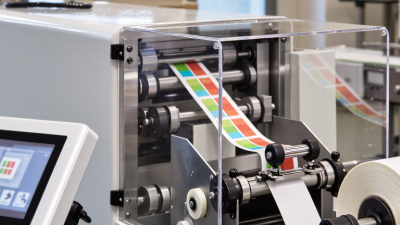
Flexographic label press Flexible relief plates transfer ink onto the substrate, often in a continuous web process; separate stations can apply different colors. Paper, film, and other press-compatible web materials, depending on ink, adhesive, and press configuration. High-volume label production and repeat jobs requiring consistent runs. Check web width, number of print stations, registration controls, drying or curing setup, finishing options, and the setup requirements for each job.

How China’s Label Printer Manufacturing Industry Is Organized

China’s label-printer industry is organized as a layered production network, not a single supplier tier. Equipment makers design presses and finishing units, while specialist firms provide printheads, motion controls, sensors, and rollers. Converters and system integrators then configure machines for specific label stocks, print volumes, and finishing needs. The National Bureau of Statistics reported roughly RMB 1.4 trillion in 2023 revenue for China’s broader printing and recording-media reproduction sector. That figure is not label-printer revenue; it shows the scale of the surrounding industrial base.

Regional manufacturing clusters help connect these layers. Suppliers can source metalwork, electronics, and machining nearby, then assemble or customize equipment for domestic and export buyers. Smithers’ report, The Future of Label Printing to 2028, values the global label-printing market at about US$50 billion in 2023. Demand spans short-run digital work and higher-volume flexographic production, so factories often offer different machine configurations rather than one standard line. A useful detail: ask whether quoted speed applies to the full job, including changeovers and finishing.

Supplier roles can overlap. Some firms build complete machines; others focus on components, retrofits, or after-sales service. That distinction matters. Catalog specifications may not show how a press handles thin film, adhesive-backed stock, or frequent artwork changes. A factory visit or sample run can reveal more. Still, comparisons are imperfect: materials, operator skill, and maintenance routines affect results. A tidy supplier map rarely captures those shop-floor differences.

Criteria for Identifying Leading Label Printer Suppliers in China

A leading Chinese label printer supplier should prove performance with production data, not polished showroom samples. MarketsandMarkets estimated the global label printer market at USD 4.9 billion in 2023 and projected USD 6.9 billion by 2028, a 7.2% annual growth rate. That growth raises the value of dependable output and responsive service. Ask suppliers for a live run using your label stock, adhesive, and artwork. Check registration, barcode readability, print consistency, and waste across a full shift. Small details matter.

Smithers’ research on label printing also highlights the sector’s shift toward digital production and shorter, more varied runs. This makes changeover time, job setup, and variable-data handling useful supplier tests. Request documented speed at your required print quality, not just the machine’s maximum speed. Review inspection records, maintenance logs, spare-parts availability, and technician response times. A spec sheet can still mislead. Factory audits and customer references help verify what the figures omit. Compare several suppliers using the same checklist, while noting that no single score captures every production constraint.

Profiles of Notable Chinese Label Printer Machine Suppliers

Profiles of notable Chinese label printer machine suppliers often reveal different strengths rather than one universal leader. Some focus on compact desktop printers for retail counters and small warehouses. Others build industrial systems designed for long shifts, wider media, and higher print volumes. Look closely at the product range. A supplier with many models may still offer limited support for a specific label size or material.

Experienced buyers compare practical details: print resolution, maximum label width, connection options, and the time needed to replace a printhead. Ask for sample labels made with your own stock. Fine text may look sharp on coated paper but fade or blur on textured material. Small differences matter. It is also useful to check whether the supplier provides setup guides, spare parts, and responsive technical assistance. A polished catalog cannot prove that service will be dependable.

Supplier profiles should include more than machine specifications. Review production experience, quality-control procedures, customization limits, and export support. Request clear answers about testing and warranty terms, then compare them against your expected workload. Be cautious with broad performance claims that lack test conditions. One honest limitation can be more useful than a perfect-sounding promise. I would also leave room for trial runs; real production settings often expose issues that a short demonstration misses.

Common Label Printer Resolution Options

A practical comparison of commonly available print resolutions when evaluating label printer suppliers. Actual options vary by model.

How to Compare Suppliers, Products, and After-Sales Support

When comparing label printer machine suppliers in China, assess the complete production setup, not just the quoted machine price. Smithers’ Future of Global Labels and Release Liners to 2028 forecasts the global labels market reaching about USD 67.9 billion by 2028. That growth makes dependable output and service capacity important. Ask suppliers to print your actual label stock, including small text, barcodes, and dense graphics. A neat brochure can still mislead.

Compare samples for edge sharpness, print consistency, and adhesion after handling. Check whether the quoted speed holds with your label size and material; maximum speed alone is not a useful benchmark. Request a written specification for resolution, supported media, software compatibility, warranty coverage, and routine maintenance. Ask how quickly common parts, such as printheads and rollers, can be supplied. Test the supplier’s response to a practical question, too. Small detail, big signal.

After-sales support deserves equal weight. Confirm training arrangements, remote troubleshooting hours, local technician availability, and the process for urgent repairs. Request references from buyers running similar shifts and label volumes, then ask what failed and how long recovery took. Some suppliers may promise fast support without clear service terms. That is a risk worth questioning. I would compare documented response targets against your production schedule, while remembering that a signed promise cannot replace a real spare-parts plan.