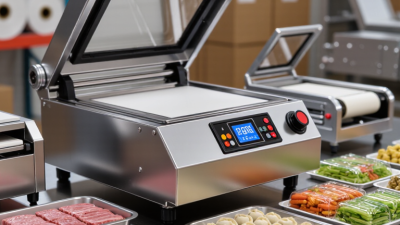
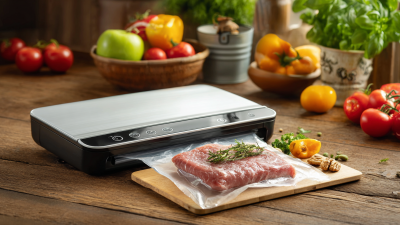
What Is a Vacuum Packing Machine and How Does It Work?
A Vacuum Packing Machine removes air from a package and seals it, helping protect products from oxygen exposure, moisture, and handling. The process looks simple: a pouch rests inside the chamber, the lid closes, and the pump draws out air. A heated sealing bar then fuses the pouch edges. The final seal matters. A tiny wrinkle or crumb can create a leak.
Food-packaging scientist Dr. Gordon L. Robertson provides a useful expert perspective through his work on packaging principles. A fair paraphrase, not a verbatim quotation, is: “Packaging must protect the product while preserving its quality through storage and handling.” That principle explains why vacuum packing is more than removing air. Product type, pouch material, seal strength, and storage conditions all affect performance. The machine cannot fix poor preparation.
Some details are easy to overlook. A vacuum-packed item may still need refrigeration or freezing; removing air does not make food sterile. Results also vary with the machine and the operator. Watch the seal. Check it.
This guide explains the main machine components, the sealing cycle, and common machine types. It also considers practical limits, including delicate products that can be crushed under pressure. The process is useful, but not foolproof. A small leak can undo the work, and real-world results may differ from expectations. Understanding those details helps buyers and operators choose equipment with clearer expectations.
Definition and Core Purpose of a Vacuum Packing Machine
A vacuum packing machine removes much of the air from a package and seals it closed. Its core purpose is to limit contact between the contents and surrounding air.
In many machines, a pump draws air through an open bag, then a heated strip presses the bag layers together. The seal should look continuous, not wrinkled or partly open. That small detail matters.
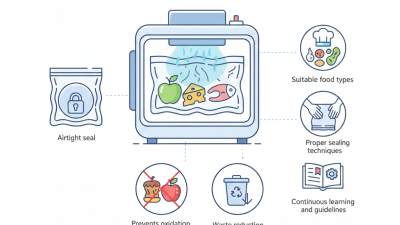
Vacuum packing can slow oxidation and help protect food from moisture loss, freezer burn, and some outside contaminants. It does not sterilize food or make it shelf-stable by itself. Refrigeration and safe handling still matter.
Not quite magic.
Some machines use a chamber, where air is removed from the whole space around the bag; others draw air through a bag’s open edge. The right method depends on the package and product.
Soft bread, for example, can be crushed by strong suction, while moist ingredients may pull liquid toward the seal.
A machine’s job is narrower than many people assume: remove air, form a reliable seal, and help preserve the package’s contents under suitable storage conditions.
Main Components and Their Functions
A vacuum packing machine has several parts working in sequence. The chamber holds the product and open pouch; the sealing bar closes the pouch after air removal. A pump draws air through an inlet, while valves control evacuation and pressure release. On chamber models, the lid gasket helps maintain a tight seal. Small crumbs or a worn gasket can interfere with sealing, so clean surfaces matter.
The control panel sets vacuum time, seal temperature, and cooling time. These settings are not universal: a moist product may need gentler evacuation to limit liquid pull, while thick film may require more sealing heat. A 2023 Grand View Research industry report estimated the global vacuum packaging market at about USD 29.6 billion. That figure reflects broad demand, not proof that every machine suits every product. Check seal width and pump capacity against actual pouch size.
During operation, the pump lowers pressure around the pouch, and the flexible film settles close to the product. The sealing bar then heats and presses the film layers together; after cooling, the chamber releases pressure. Simple, but not foolproof. A neat-looking seal can still leak, so operators should inspect seals and test them regularly.
How Air Removal and Sealing Work Step by Step
A vacuum packing machine removes air from a bag or chamber, then seals the package to limit contact with oxygen.
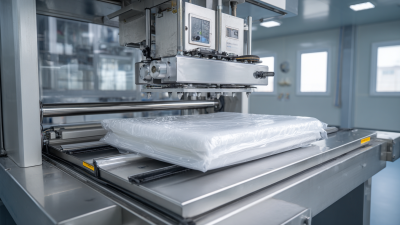
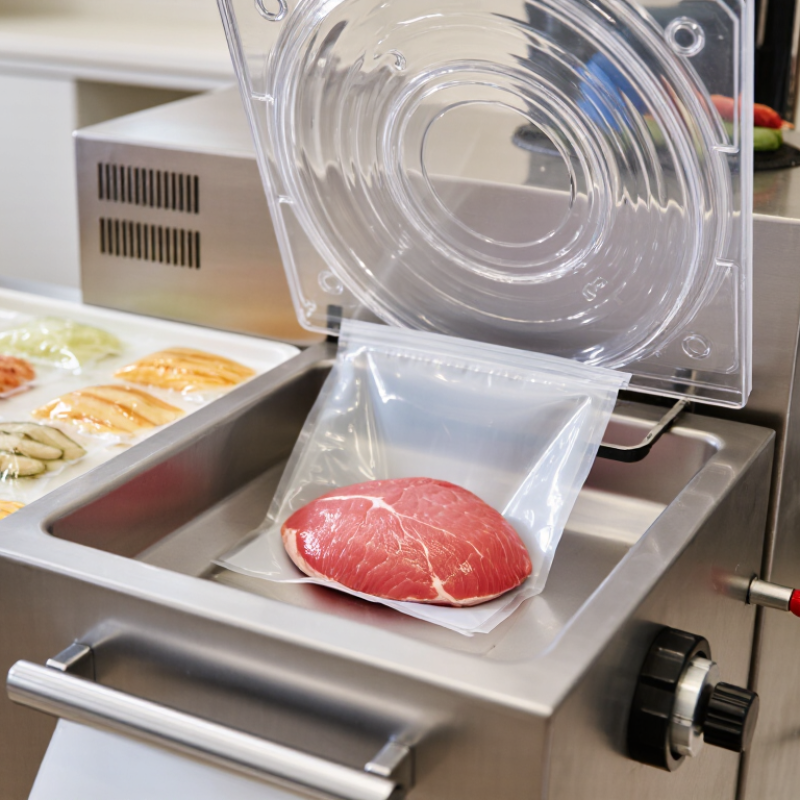
With a chamber model, the open bag sits inside the machine, its mouth laid flat across the sealing bar. The lid closes, and a pump draws air from the chamber and bag together. Watch the bag tighten around the food. As pressure falls, trapped air escapes through the open edge. This step can take longer when the bag is large or loosely filled, and the result may vary with the product’s shape.
When the machine reaches its set vacuum level, a heated sealing bar presses the bag layers together. The plastic softens briefly, bonds, and cools as the bar releases. The chamber then returns to normal pressure, helping press the bag snugly around its contents. A sound seal is usually even, with no folds crossing the sealed strip. Not always perfect. If liquid or crumbs reach the seal area, the bond may be weak; wiping the edge clean can help. Vacuum sealing does not sterilize food or replace appropriate refrigeration, and delicate items may need gentler settings to avoid crushing.
Common Machine Types and Packaging Materials
A vacuum packing machine removes air from a package, then seals it to slow oxidation and moisture exposure. The best machine type depends on how often you pack and what you seal. External-suction machines draw air through the open end of a textured bag. They are compact and practical for dry foods, but liquids can enter the pump. Chamber machines place the whole bag inside a sealed compartment. They handle moist foods more reliably and suit frequent use, though they take more counter space. Handheld models work with compatible reusable bags or containers. Small batches suit them.
Packaging materials matter just as much. External machines generally need embossed bags, whose channels let air escape. Chamber machines can use smooth, often less costly pouches because air leaves the entire chamber. Bag rolls let you cut custom lengths, but leave enough space for a clean seal. Canisters are useful for delicate items like crackers. Not every pouch is suitable for vacuum sealing; check its heat-seal and barrier specifications.
Tips: Keep the sealing area dry and free of crumbs. Leave a few centimeters above the food, and flatten the bag before sealing. For juicy ingredients, chill them first or use a chamber machine. Test one bag first. Seal quality can vary with wrinkles, thickness, and machine settings, so inspect the seam rather than assuming it is airtight.
Typical Applications and Operating Considerations
A vacuum packing machine removes air from a package and seals it, helping limit exposure to oxygen and moisture. Food businesses use these machines for items such as cheese, roasted coffee, and portioned meat. Less air can slow oxidation and freezer burn, though vacuum packing does not make food sterile or replace proper refrigeration. Not every product benefits. Soft berries and delicate pastries may be crushed when the air is removed.
The right machine depends on the product, package size, and daily workload. Chamber models can handle liquids more easily because the bag and product sit inside the chamber; external-suction models suit many dry, solid items. Check that the bag material matches the machine and that the sealing area stays clean and dry. A drop of sauce across the seal can create a leak. Small detail, big difference.
Leave enough space at the bag opening, and avoid packing sharp edges without protection. Adjust vacuum time carefully: too much suction can deform soft foods, while too little may leave excess air. After sealing, inspect the seam and test a sample package before starting a large batch. Operators sometimes assume a smooth-looking seal is secure; it may not be. Record settings and recheck them when products or bag thickness change.