Leave Your Message
Why Choose a Heat Sealing Machine for Packaging? The answer often begins with a simple production problem: open bags, weak seams, or inconsistent package appearance. A Heat Sealing Machine applies controlled heat and pressure to join compatible packaging films. When properly adjusted, it creates a clean, repeatable closure that protects products from moisture, dust, and handling damage.
Consistency matters.
In practical packaging operations, sealing temperature, dwell time, and pressure must work together. A thin polyethylene pouch may need a different setting from a multilayer laminated bag. Operators should inspect seal width, peel strength, wrinkles, and burn marks during setup. Small changes in film thickness can affect performance. That detail is easy to overlook.
The equipment can also improve workflow. Foot-operated and automatic models reduce repetitive hand movements. Continuous band sealers support higher output, while impulse sealers suit smaller batches and varied pouch sizes. Some machines include date coding or nitrogen-flushing options, although these features require additional testing and maintenance. More features do not always mean better results.
A reliable choice depends on the product, film structure, sealing speed, and working environment. Energy use, cleaning access, spare parts, and operator training also deserve attention. A machine may appear efficient during a short trial but perform poorly after several hours. Real testing is essential.
There is no universal setting.
Careful trials, documented procedures, and routine seal checks provide stronger confidence than attractive specifications alone. With informed selection and steady quality control, a Heat Sealing Machine can support safer, cleaner, and more efficient packaging operations. Its value comes from dependable performance, not impressive equipment alone.
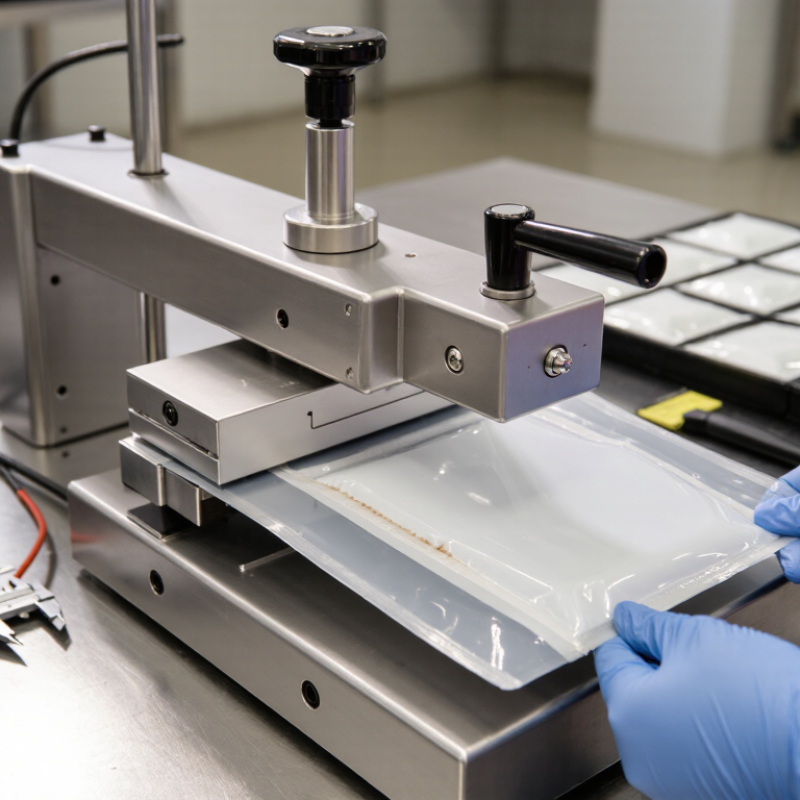
A heat sealing machine closes thermoplastic packaging by applying controlled heat and pressure. It softens the inner plastic layer, then bonds the surfaces as they cool. Common units include a heated bar, pressure mechanism, temperature controller, and timer. Some models seal pouches, films, or lined bags. The machine does not usually cut, fill, or label the package. That distinction matters during equipment planning. A clean seal should look continuous, even, and free from wrinkles. Small details matter.
Operators typically adjust temperature, dwell time, and pressure for each material. A thin film may need less heat, while a thicker laminate needs more energy. Excessive heat can distort the package or weaken its edge. Insufficient heat creates a seal that opens with gentle pulling. Testing samples before production is sensible. Record settings, material type, and inspection results. This supports traceability and helps operators work consistently. Yet settings are not permanent; humidity, film variation, and machine wear can change performance.
Tips: Follow the packaging material’s guidance, then confirm it with simple seal-strength checks. Keep sealing surfaces free from dust and residue. Replace damaged heating elements promptly. Never judge quality by appearance alone. Attractive seals can fail after cooling. Pull the seam gently and inspect the inner layer. If results vary, pause production and investigate instead of raising temperature blindly.
| Data Dimension | What It Means | Typical Information | Packaging Benefit | Best-Suited Applications |
|---|---|---|---|---|
| Definition | A heat sealing machine uses controlled heat, pressure, and dwell time to bond compatible thermoplastic layers. | It seals the inner thermoplastic coating of a pouch, bag, or film rather than bonding paper or metal directly. | Creates a closed package with a consistent and tamper-evident seal. | Plastic pouches, laminated films, poly bags, sachets, and coated packaging materials. |
| Core Operating Principle | Heated sealing surfaces soften the sealant layer, while pressure joins the layers as they cool. | Seal quality depends on temperature, pressure, dwell time, and the material structure. | Allows operators to produce repeatable seals when the machine is correctly adjusted. | Products requiring reliable closure and protection from opening during handling. |
| Common Machine Type | Impulse sealers heat the sealing element only during the sealing cycle. | Suitable for intermittent operation and many heat-sealable plastic films. | Generally energy-efficient because heat is applied only when sealing. | Small-batch production, retail bags, laboratory packaging, and general-purpose pouch sealing. |
| Common Machine Type | Constant-heat sealers maintain heated sealing bars at a set temperature. | Often used for coated films, thicker laminates, and materials needing continuous heat. | Provides stable heat for materials that require longer or more uniform thermal contact. | Thicker plastic bags, laminated films, and packaging with heat-sensitive sealant layers. |
| Common Machine Type | Continuous band sealers move packages through heated belts or sealing wheels. | Designed for repeated sealing and can be configured for horizontal or vertical bag handling. | Supports higher throughput than manually operated bar sealers. | Food, chemical, agricultural, and industrial products packed in frequent production runs. |
| Temperature Control | The sealing temperature must match the sealant layer and film construction. | Many thermoplastic films seal within a controlled temperature range, but the correct setting varies by material. | Reduces weak seals caused by insufficient heat and damage caused by overheating. | Polyethylene, polypropylene, coated films, and multilayer laminates, subject to material specifications. |
| Seal Width | Seal width is the distance across the bonded area. | Common equipment may provide narrow to wider seal bands depending on the machine design. | A wider seal can improve package strength and provide more tolerance for minor contamination. | Packages where seal integrity, appearance, or resistance to leakage is important. |
| Production Speed | Speed is influenced by machine type, bag dimensions, operator handling, and required dwell time. | Manual impulse sealing is suitable for lower volumes, while continuous systems support faster repetitive work. | Helps match packaging output to the required production rate. | From occasional packaging tasks to continuous commercial packaging lines. |
| Seal Consistency | Machines regulate sealing conditions more consistently than manual tying, taping, or folding. | Consistent pressure, temperature, and timing help reduce variation between packages. | Improves presentation, reduces rework, and supports quality-control procedures. | Products sold in uniform retail packaging or shipped through distribution networks. |
| Product Protection | A properly formed seal helps limit exposure to air, moisture, dust, and external contaminants. | Protection level depends on the film, package design, seal integrity, and storage conditions. | Can extend product quality and reduce contamination or moisture-related damage. | Dry goods, powders, components, medical-related supplies, and other protected products. |
| Ease of Operation | Most basic sealers require placing the open package in the sealing area and activating the sealing cycle. | Controls commonly include temperature, sealing time, conveyor speed, or pressure adjustments. | Shortens training time and supports straightforward daily operation. | Workshops, warehouses, stores, production rooms, and small packaging stations. |
| Material Compatibility | The package must contain a compatible heat-sealable layer. | Not all films seal directly; some require a coated or laminated inner layer designed for heat sealing. | Choosing compatible materials helps prevent peeling, channel leaks, and incomplete bonds. | Packaging projects with clearly specified film structures and sealant layers. |
| Maintenance Requirements | Routine maintenance includes cleaning sealing surfaces and inspecting heating elements, belts, and cutting components. | Maintenance frequency depends on operating hours, packaging residue, and equipment design. | Supports stable sealing performance and helps extend service life. | Operations that need dependable equipment and predictable packaging quality. |
| Energy Consideration | Energy use varies according to heating method, machine size, operating time, and production speed. | Impulse systems typically heat intermittently, while constant-heat and continuous systems maintain or continuously apply heat. | Enables selection of equipment appropriate for the workload and operating schedule. | Businesses comparing manual, intermittent, and continuous packaging processes. |
| Quality Check | Seal integrity should be checked for continuity, strength, wrinkles, burns, channels, and contamination. | Visual inspection can be combined with peel, burst, leak, or tensile testing where required. | Helps identify process problems before defective packages reach customers. | Packaging operations with documented quality requirements or regulated products. |
| Main Selection Factors | Equipment selection should consider material, bag size, seal width, production volume, orientation, and available workspace. | Other factors include electrical supply, operator skill, cleaning needs, safety features, and automation level. | Improves compatibility between the machine and the complete packaging process. | Any packaging project requiring a dependable, repeatable, and appropriately scaled sealing solution. |
| Primary Reason to Choose | Heat sealing offers a fast and repeatable way to close compatible flexible packaging. | It can replace slower manual closure methods and can be scaled from simple bench work to continuous operation. | Reliable closure, improved productivity, cleaner presentation, and better product protection. | Packaging applications where secure and consistent bag or pouch closure is required. |
| Important Limitation | A heat sealer cannot compensate for incompatible materials, contaminated seal areas, incorrect settings, or poor package design. | Testing is necessary when changing film structures, thicknesses, suppliers, or product contents. | Highlights the need for process validation rather than relying only on machine settings. | All applications, especially those involving moisture-sensitive, sterile, hazardous, or high-value products. |