Choosing among the top Shrink Packing Machine manufacturers in China takes more than comparing prices. A machine may look impressive in a showroom, yet struggle with an actual product, film, or production speed. Buyers should examine sealing quality, temperature control, changeover time, safety features, and the availability of spare parts. Ask for a live test using your product. Watch the seal. Check the finished pack.
Packaging educator Walter Soroka offers a useful reference point for thinking about packaging systems. The line “Choose equipment around the product and process, not the brochure” is an editorial paraphrase, not a verified verbatim quotation from Soroka. It captures a practical question for any shortlist: does the machine fit your line, operators, and daily output?
Details matter. A beverage multipack, a tray of baked goods, and a single retail carton place different demands on a shrink system. Film compatibility, tunnel dimensions, conveyor speed, and maintenance access can shape results as much as headline capacity. Request clear specifications, sample packs, and references from comparable installations. Ask how technical support works after commissioning, too.
This guide compares Chinese manufacturers through those practical measures, including machine range, customization, service, and evidence of performance. No shortlist replaces an on-site assessment. Some published specifications may also leave questions unanswered. That is worth noticing. Verify the details before committing.
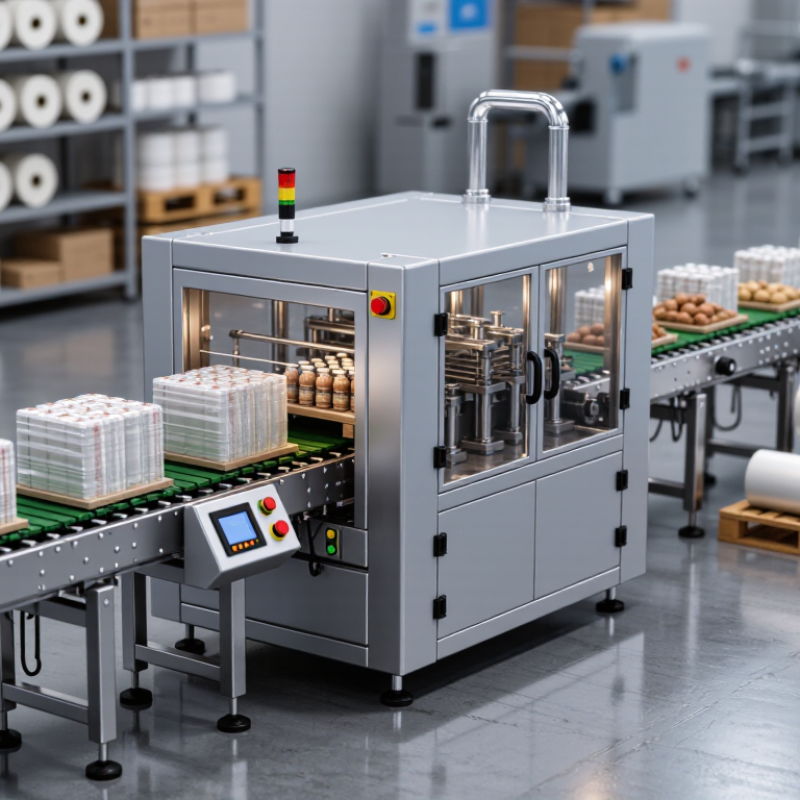
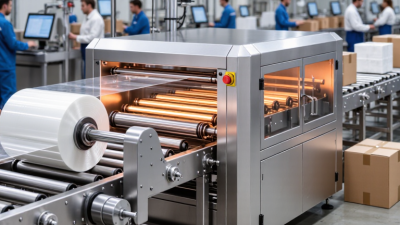
A shrink packing machine wraps a product or group of products in shrink film, then applies controlled heat. The film contracts around the load, creating a snug outer layer. Common systems combine a film feeder, sealing unit, conveyor, and heat tunnel. Some machines seal each pack individually; others bundle bottles or cartons for handling. The result depends on film type, seal quality, temperature, and conveyor speed—not heat alone.
Grand View Research estimated the global shrink packaging market at USD 14.3 billion in 2022 and forecast a 6.3% compound annual growth rate from 2023 to 2030. This market figure describes packaging materials and applications, not machine sales, but it signals continued use across sectors. A machine’s output varies with product dimensions and operator settings. Small changes matter. A loose seal or overheated corner can waste film and slow a production line.
Tips: Ask suppliers for a sample run using your actual products and film. Check pack stability, seal appearance, changeover time, and energy use. Record the tested settings. They may need adjustment in daily production. A machine that looks fast on paper may perform differently with uneven products or frequent size changes.

A shrink packing machine wraps a product in heat-sensitive film, then applies controlled heat to tighten the film around it. The process usually has three stages: feeding, sealing, and shrinking. A conveyor carries products into position, while a sealing bar or cutting system closes the film around each item. Small details matter. An uneven seal can open in the heat tunnel.
Inside the tunnel, circulating hot air causes the film to contract. The film follows the product’s shape, creating a close-fitting package. Temperature, airflow, and conveyor speed work together; changing one setting can affect the finish. Too much heat may distort delicate products, while too little can leave wrinkles. It is not magic. Operators often need test runs to find a stable setting for each product and film combination.
After heating, the package cools and the film becomes more stable. A good result should look snug, with sealed edges and no burnt spots or loose corners. Still, appearance alone is not enough: check seal strength and product condition during setup. One overlooked variable is spacing between items. Crowded products can receive uneven airflow, even when the machine seems to run smoothly. That deserves a second look when choosing equipment, too; practical adjustment range and clear operating guidance can matter as much as headline speed.
Shrink packing machines differ in how they seal film, handle products, and apply heat. Chamber machines suit small batches and compact items. An operator places a product inside a film pouch, lowers the hood, and starts the cycle. They need little floor space, but manual loading can limit output. They are often useful for samples or changing product sizes.
L-bar sealers cut and seal film around individual products before a heat tunnel tightens it. Semi-automatic models require an operator to position each item, while automatic lines can feed products continuously. Sleeve wrappers use film around grouped products, such as cartons or bottles. Their open ends remain visible, which helps with multipacks but offers less enclosure than a fully wrapped pack. Side-seal machines can handle longer products and varied lengths. Not every line needs one.
The right type depends on package dimensions, film, and target speed. Check seal strength and film waste during a production trial. Watch how a warm package exits the tunnel; uneven shrinking may point to poor airflow or incorrect settings. There is no perfect setup. A faster machine can still cause trouble if products arrive unevenly or operators cannot adjust it easily. Compare actual sample packs, not just stated speed, before choosing a machine or supplier.
When evaluating Chinese shrink packing machine manufacturers, focus on how well a machine handles your actual product, not just its advertised speed. Share sample products, package dimensions, and film specifications. Ask for a continuous run, then inspect seals, film tension, and shrink consistency. Look closely at corners and edges. Small defects can become costly at scale.
Request measurable details: rated output, changeover time, power use, and supported film types. Confirm whether quoted capacity was tested with a product like yours. A short demonstration is useful, but it may not reveal jams during longer runs. Ask to review maintenance instructions, electrical diagrams, spare-parts availability, and the warranty terms. Clear answers matter.
Assess the factory’s quality process, too. Ask how it checks wiring, temperature controls, and conveyor alignment before shipment. If possible, speak with a customer using a similar machine or arrange an independent inspection. Notice how quickly the sales team responds to technical questions; after-sales support often matters more than polished videos. No checklist is perfect. I would still leave room for doubt until the machine has run your own products under realistic conditions.
Leading shrink packing machine manufacturers in China serve food, cosmetics, household goods, and other packaging lines. Their capabilities vary, so buyers should compare machine design with the actual product and production target. A compact tabletop unit may suit short runs, while an automatic line needs reliable conveyors, sealing, and film control. Details matter.
Ask how the machine handles different package sizes, film thicknesses, and daily operating hours. Request a live test using your own product when possible. Watch the seal area, film tension, and shrink results as the line runs. A clean sample is useful, but repeatable results matter more. Check whether electrical parts and wear items are easy to source, and clarify installation, operator training, and service response times before ordering.
Good manufacturers provide practical specifications, clear drawings, and answers that match the equipment being offered. Verify rated speed under realistic conditions; advertised output may not reflect frequent size changes or manual loading. Spare parts lists and maintenance schedules can reveal how carefully a machine was designed. Some suppliers may be less polished in their documentation, which is not ideal, but direct technical communication can still be informative. Ask for references or factory inspection options, then compare evidence rather than relying on sales claims alone.