Leave Your Message

Top Shrink Packing Machines for Global Buyers?

Packaging lines face a practical challenge: they must protect products, maintain speed, and control film use. A Shrink Packing Machine can bundle bottles, secure cartons, or create a close-fitting retail pack. But the best option depends on the product, line layout, and daily production target.

Industry investment offers useful context. PMMI’s 2024 State of the Industry report estimated U.S. packaging machinery shipments at about $11.3 billion in 2024. That figure covers packaging machinery broadly, not shrink equipment alone, so it should not be read as a shrink-machine market estimate. Still, it shows how seriously manufacturers treat packaging capacity. Buyers should compare equipment against real operating needs, not just headline market growth.

This guide looks at leading machine types and the factors global buyers can verify: pack size, output rate, film compatibility, changeover time, guarding, and local service support. A clear specification sheet helps. So does a sample run with the actual product and film. Small details matter. A machine that performs well with uniform cartons may struggle with irregular bundles or frequent size changes. Rankings can help narrow a shortlist, but they cannot replace a factory trial. Even the strongest option may be the wrong fit.
Top Shrink Packing Machines for Global Buyers?

Understanding Shrink Packing Machines and How They Work

A shrink packing machine wraps a product in heat-sensitive film, then applies controlled heat to tighten the film around it. The result is a close-fitting package that can help keep dust and light handling away. It is not a substitute for a protective carton. The right setup depends on product shape, film type, and required output.

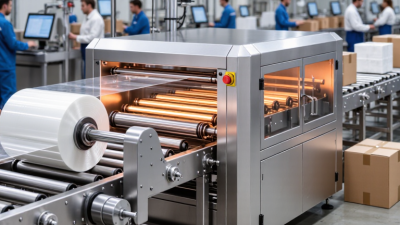
Many systems use a sealer and a heat tunnel. The sealer cuts and closes the film; the tunnel circulates warm air to shrink it evenly. Operators adjust temperature, belt speed, and sealing time. Watch the corners. Too much heat can wrinkle or puncture film, while too little leaves loose folds. A trial run with real products is more useful than relying on settings from a specification sheet. I’ve seen neat samples turn uneven when product sizes vary. That part deserves another check.

Tips: Leave space between products on the conveyor, and inspect seals for gaps. Test film compatibility before buying in bulk. Keep the tunnel clean; scraps can affect airflow. Record settings that work, but review them when film thickness or product dimensions change. Start with modest adjustments. Small changes matter.

Top Shrink Packing Machines for Global Buyers? Understanding Shrink Packing Machines and How They Work

Typical Shrink-Tunnel Temperature Ranges by Film Type

A shrink-packing machine wraps a product in film, then uses heat to make the film contract around it. The ranges shown are typical starting points, not universal settings: the correct temperature depends on film specifications, film thickness, conveyor speed, and machine design. Always follow the film and equipment manufacturers’ instructions.

Main Types of Shrink Packing Machines on the Global Market

Shrink packing machines differ mainly in how they feed, seal, and heat the film. A chamber machine encloses a single item before applying heat, making it practical for short runs and compact products. Operators can see the package inside the chamber, but loading each item takes time. Small batches matter.

L-bar sealers cut film around products and are often paired with a shrink tunnel. Semi-automatic models suit modest output, while automatic lines can feed and seal items continuously. Side-seal machines handle long products, such as boxed components, with a continuous seal along one edge. Their speed is useful, though film alignment needs attention.

Sleeve wrappers bundle several items beneath a loose film sleeve, often for multipacks. A tunnel then shrinks the film around the load. The result can be stable, but uneven product shapes may leave loose corners. In real production, package dimensions, film type, and line speed all affect the finish. A machine that looks ideal on a specification sheet may still need careful testing with actual products. This is not a perfect shortcut. Check seal quality and package appearance at the intended speed before choosing a system.

Common Packaging Applications Across Industries

Common Packaging Applications Across Industries

Shrink packing machines serve very different production lines. In food and beverage plants, shrink film groups bottled water, cans, trays, and multipacks for handling and shelf display. For fresh produce, perforated film can help manage moisture, though the right choice depends on the product and storage conditions. The FAO’s 2019 report, The State of Food and Agriculture, estimated that 13.8% of food was lost between harvest and retail in 2016. Packaging cannot solve food loss alone, but suitable pack design can support protection and distribution.

Manufacturers also use shrink packaging for household goods, cosmetics, printed materials, and selected medical-device packaging. A clear film around a carton or bundle can keep items together and make handling easier. For irregular products, however, poor film choice may create wrinkles, weak seals, or excessive heat exposure. This is where trials matter. A fast line is not always a better line.

Tips: Test the actual product, film, and pack format together. Check seal strength, shrink appearance, and heat sensitivity at normal line speed. Keep a record of settings; small changes can matter. And remember, one test may not represent every season or product batch.

Top Shrink Packing Machines for Global Buyers? – Common Packaging Applications Across Industries
Industry Typical Products Common Machine Type Typical Package Configuration Common Shrink Film Practical Considerations
Beverages Water, soft drinks, juice, and other bottled beverages Automatic or semi-automatic shrink bundler with a heat-shrink tunnel Multipacks of bottles or cans, often arranged in rows Polyethylene (PE) Confirm pack count, bundle stability, line speed, and compatibility with the container and conveyor system.
Food Bakery goods, frozen foods, trays, and boxed food products L-bar sealer with tunnel for smaller runs; automatic sleeve wrapper or bundler for higher-volume lines Individual packs, tray packs, or grouped cartons Polyolefin (POF) or PE, selected for the application Use packaging materials suitable for the intended food-packaging application. Shrink wrapping does not replace a required primary food-contact package.
Pharmaceuticals and healthcare Medicine cartons, personal-care boxes, and medical supply packs L-bar sealer and tunnel, or an automatic shrink wrapper integrated into a cartoning line Single cartons or grouped cartons POF or another film specified for the product and process Assess seal consistency, product protection, traceability requirements, and compatibility with the regulated packaging process.
Cosmetics and personal care Skincare boxes, soap cartons, and toiletry multipacks L-bar sealer with tunnel or automatic sleeve wrapper Individual retail packs or promotional multipacks POF or PVC, depending on product and market requirements Choose film thickness and machine settings to balance presentation, pack tightness, and protection of carton surfaces.
Electronics and household goods Accessories, small appliances, cables, and boxed household products L-bar sealer with tunnel or automatic side-seal shrink wrapper Individual products, accessory kits, or grouped boxes POF or PE, depending on package size and required strength Consider sharp edges, static-sensitive components, ventilation needs, and whether the shrink process is suitable for the product.
Printing and publishing Books, magazines, stationery, and printed materials L-bar sealer with tunnel for small batches; automatic shrink wrapper for production lines Single items, sets, or stacked bundles POF or PE Set temperature and conveyor speed carefully to avoid heat damage, scuffing, or excessive film tension on printed surfaces.
Building materials Tiles, flooring accessories, profiles, and packaged hardware Automatic sleeve wrapper or heavy-duty shrink bundler with tunnel Bundles of products or grouped cartons PE, commonly selected for tougher bundle applications Check load weight, bundle dimensions, film strength, and the need for additional strapping or pallet wrapping.
Logistics and distribution Mixed cartons, promotional assortments, and retail-ready bundles Manual or semi-automatic L-bar sealer; automatic bundler for repeatable high-volume packs Grouped units prepared for handling or shipment POF or PE, selected according to load size and handling conditions Match the machine’s sealing area and tunnel opening to the largest pack, and verify the required throughput and changeover frequency.
Selection note: Machine choice depends on product dimensions, pack format, required output, available utilities, film specification, and local safety requirements. Film suitability and operating settings should be confirmed through testing with the actual product and packaging materials.

Key Features for Comparing Machine Performance

Comparing shrink packing machines starts with the product, not the headline speed. Check the maximum package dimensions, film types, and thicknesses the machine can handle. A unit that wraps small cartons neatly may struggle with tall, uneven bundles. Ask for a trial using your actual product and film. Watch the seals closely. Wrinkles, open corners, or scorched edges can reveal problems that a brochure will not.

Throughput matters, but measure finished, acceptable packs per minute rather than the fastest cycle shown. Note how long operators need to change film, adjust guides, and restart after a jam. A touchscreen can simplify settings, yet clear temperature controls and accessible maintenance points matter more during a busy shift. Small details count. Record seal consistency and shrink quality across several runs, not just one.

Compare tunnel temperature stability, conveyor adjustment, and cooling performance against your packaging needs. Uneven heat can leave loose film on one side and damage printed surfaces on another. Check power requirements, ventilation, spare-part availability, and the time needed for routine cleaning. These details shape operating costs, though estimates can be imperfect before installation. I would treat unusually high speed claims cautiously; product spacing, film choice, and operator skill all affect real output. A machine that is easy to tune may outperform a faster one when products or order sizes change.

How Global Buyers Can Evaluate Suppliers and Purchase Needs

A shrink packing machine should match the products you actually ship, not just the highest output listed in a quotation. Record package length, width, height, weight, and daily production target. Include the smallest and largest items; a machine tuned for one carton size may struggle with mixed batches.

Small details matter. Ask suppliers to test your products using the proposed film, then request a video showing sealing quality and finished-pack consistency.

Compare more than the purchase price. Check the machine’s electrical requirements, available floor space, operator controls, changeover time, and access for cleaning. Ask what training, installation guidance, spare parts, and remote support are included.

Ask for evidence. A clear response should specify delivery terms, lead time, warranty coverage, and which components are considered consumables. For international orders, confirm that the equipment can be configured for your site and that documentation is available in a language your team can use.

Supplier evaluation takes patience. Speak with a technical representative, not only a salesperson, and ask how the machine handles jams or uneven film tension. If possible, request references from buyers with similar products and production volumes. A checklist can still miss an awkward control panel or a film roll that is difficult to load. I might overlook that on a spreadsheet. Include the people who will operate and maintain the machine in the final review.