What Are the Top Shrink Packing Machine Types in 2026?
Selecting a Shrink Packing Machine in 2026 depends less on a fashionable label and more on the product, film, and production line. A compact L-bar sealer may suit varied, lower-volume packs, while a sleeve wrapper can bundle bottles or cartons for handling. Side-seal systems are often considered for longer products and continuous operation. Automatic bundlers can help businesses that need repeatable multipacks at higher output. Each setup still needs a compatible shrink tunnel, suitable film, and enough space for loading and discharge.
The differences show up on the factory floor. A package with sharp corners may need different film settings from a smooth bottle group. Operators also need to consider seal quality, changeover time, line speed, maintenance access, and the footprint beside existing conveyors. Not always. A machine’s rated speed alone does not predict usable output; feeding, product spacing, and downstream handling matter too. Before choosing, buyers can run representative products through a supplier’s test setup and inspect seals, film use, and pack appearance. One test may not capture every shift or product variation, so results deserve careful review. This guide compares the leading machine types and explains where each can fit, what trade-offs to expect, and which questions to ask before investing. The best choice is the one that reliably fits real products and daily operating conditions—not just a brochure specification.
I-Bar and L-Bar Sealers for Flexible, Small-Batch Packaging
What Are the Top Shrink Packing Machine Types in 2026?
I-Bar and L-Bar Sealers for Flexible, Small-Batch Packaging
For flexible, small-batch packaging, I-bar and L-bar sealers are useful when product sizes change often. An I-bar sealer closes one edge at a time. It suits straightforward, lower-volume jobs, but operators may need to trim film around each item. An L-bar sealer seals two sides in one movement, helping create consistent, neatly wrapped packs. Both require film and heat settings suited to the product. The right choice depends on package dimensions, output needs, and operator workflow.
Tips: Test a few sample packs before running a batch. Adjust temperature, seal time, and film tension gradually. Check for weak seams, burnt edges, and loose corners. Keep hands clear of hot sealing surfaces, and follow the equipment’s operating instructions.
A compact I-bar unit can be easier to fit into a small work area, while an L-bar may reduce repetitive sealing steps. Neither automatically guarantees a polished result. Uneven product shapes can still cause wrinkles, and changing film rolls may take practice. In real use, a slightly slower setup can be worth it if seals stay clean and repeatable. The first settings are rarely perfect.
Top Shrink Packing Machine Types in 2026: I-Bar vs. L-Bar Sealers
A comparison of typical sealing-bar configurations for flexible, small-batch packaging.
An I-bar sealer has one straight sealing arm; an L-bar sealer has two arms arranged at a right angle. This describes the typical bar configuration, not machine speed or output. Actual capabilities vary by model.
Shrink Wrap Chamber Machines for Compact Batch Production
What Are the Top Shrink Packing Machine Types in 2026?
Shrink Wrap Chamber Machines for Compact Batch Production
For compact batch production, a shrink wrap chamber machine can seal and shrink film in one enclosed cycle. An operator places a product inside the chamber, closes the hood, and the machine applies heat. This setup suits small runs of boxed goods, kits, and regularly changing product sizes. It also keeps the work area relatively contained. A clear view of the product helps operators spot loose film or poor seals before packing the next batch.
Chamber machines are not automatically the best choice for every small operation. Their output depends on loading time, product size, film choice, and cooling between cycles. A bulky item may fit the chamber but leave little room for safe, even wrapping. Measure the largest product, including its packaging, and check the chamber’s usable dimensions. Then run samples with the intended film. A neat seal matters, but so does avoiding excess heat that can mark sensitive packaging.
Tips: Keep the film roll and finished packs away from hot surfaces. Record settings that produce consistent seals, but recheck them when products or film change. Leave enough space for the operator to load and unload without rushing. A small batch line can still lose time to awkward handling. That detail is easy to miss.
Automatic Sleeve Wrappers for High-Speed Product Bundling
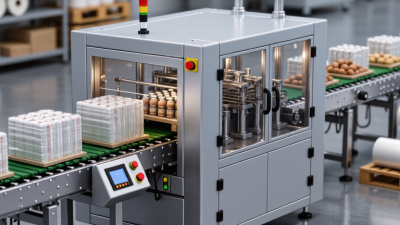
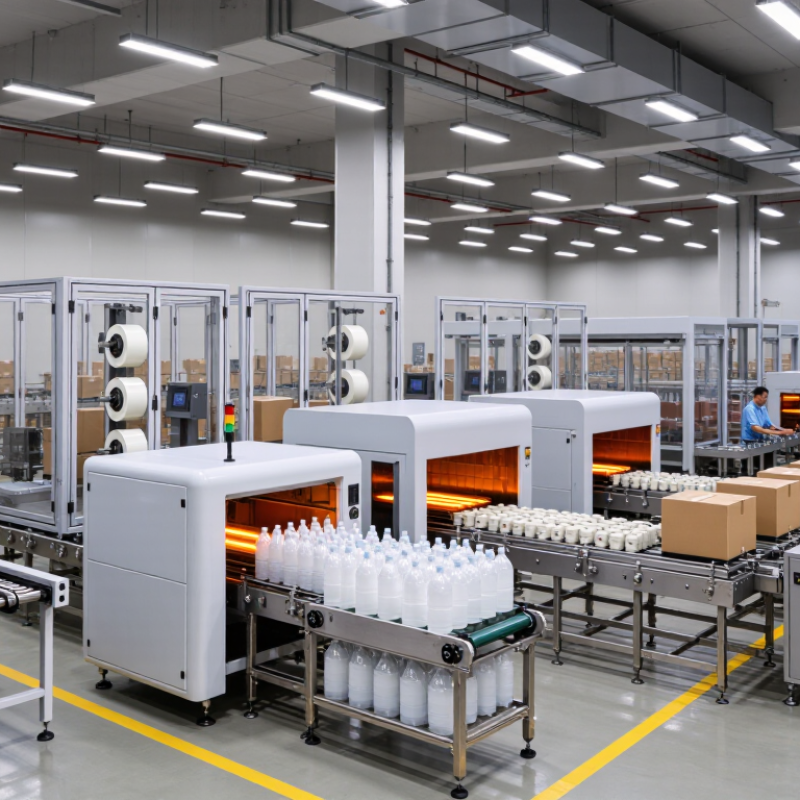
Automatic sleeve wrappers are a key shrink packing machine type for high-speed product bundling in 2026. They group items such as bottles, cans, or cartons, then wrap them with a band of shrink film. A sealing unit closes the sleeve before the bundle passes through a heated tunnel. The film tightens around the products, helping keep them aligned during handling and transport.
Small details matter. Consistent spacing at the infeed helps prevent crooked bundles and missed seals. Operators also need to match film width, sealing temperature, and conveyor speed to the product size and pack pattern. A bundle of tall bottles may need different settings from a low stack of cartons. When evaluating a machine, check changeover time, access for cleaning, and whether the controls make faults easy to spot. High output is useful, but only when seals remain reliable. That takes testing. Even a well-adjusted line can struggle when product dimensions vary or the film roll changes. Trial runs with real products can reveal those weak points before routine production.
Shrink Bundlers for Multipacks and Larger Loads
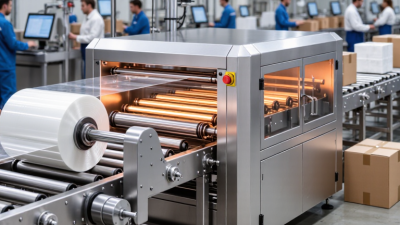
Shrink bundlers group products into multipacks or larger loads, then wrap them in heat-shrink film. Common configurations include film-only bundlers and systems that add a corrugated pad or tray for support. Film-only packs can suit sturdy cartons or bottles arranged in a stable pattern. A pad can help keep heavier groups aligned during handling. Small details matter.
For larger loads, the infeed, collation area, sealing station, and shrink tunnel must work together. Guides and pushers arrange products before wrapping; the tunnel then applies controlled heat to tighten the film. If packs enter unevenly, corners may shift or film can crease. That is not always a machine fault. Product shape, film gauge, and temperature settings also affect the result.
When comparing equipment, test it with the actual product, pack pattern, and intended film. Check changeover time, access for cleaning, and whether operators can adjust settings without disrupting production. A fast rated cycle is useful, but only if the pack stays square at the required speed. Larger loads may need a supporting pad, while lighter multipacks may not. There is no perfect setup for every line; trial runs often reveal awkward gaps in the layout.
Automatic Inline Shrink Systems for Continuous Packaging Lines
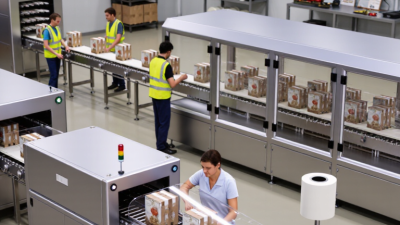
Automatic inline shrink systems keep products moving through sealing and heat-shrinking without routine manual transfer. They suit continuous packaging lines handling cartons, trays, or grouped containers. A conveyor spaces each load, a sealing section closes the film, and a heated tunnel tightens it around the pack. Small details matter. Uneven spacing can cause poor seals, skewed bundles, or jams downstream.
PMMI’s 2024 State of the Industry report put U.S. packaging machinery shipments at about $10.9 billion in 2023, up 5.8% from 2022. This signals investment in packaging equipment broadly, not a measured forecast for shrink systems alone. Buyers should compare line speed with actual product dimensions and changeover frequency, rather than relying on a headline throughput figure. A line rated for a fast cycle may still slow down when mixed pack sizes arrive.
During testing, check film width and gauge, seal temperature, tunnel airflow, and conveyor speed with real products. Watch the corners and underside of each pack; wrinkles often appear there first. Guarding, accessible controls, and clear jam-recovery procedures also affect daily uptime. The awkward truth is that automation cannot correct inconsistent upstream spacing. Leave room for adjustment, and verify performance across a full production shift.